
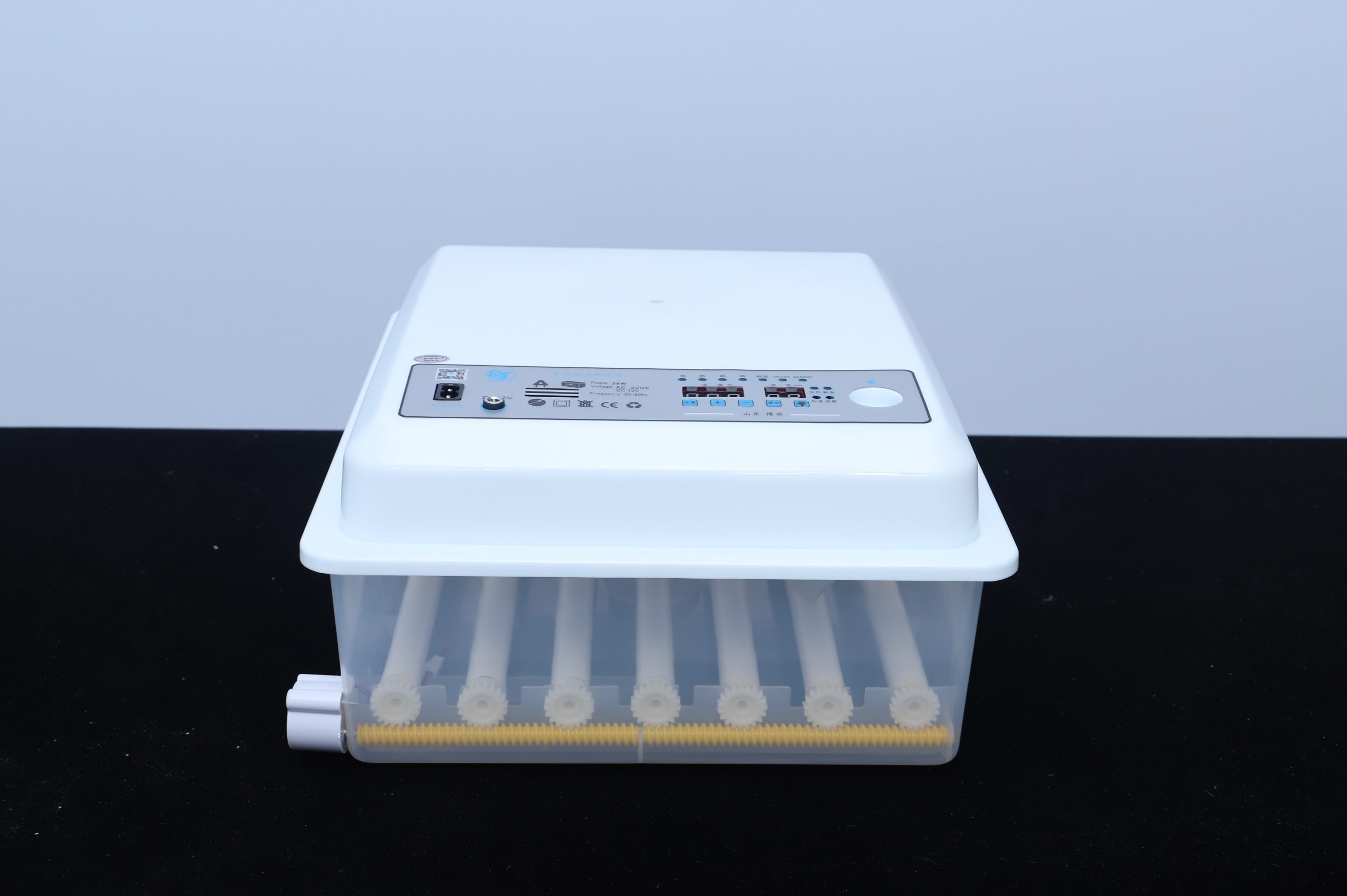
Egg Incubator Buyers Guide
Nanchang Huibing Electronics Co., Ltd. is TOP5 Supplier of poultry equipments in China, Brand is Beyou. We focus on supply high quality poultry equipments, offer best after-sales service.
Choosing the right egg incubator is a critical decision for poultry farmers, hobbyist breeders, and agricultural operations of all scales. With increasing demand for reliable hatching equipment, understanding manufacturer capabilities and product differentiation has become essential for making informed purchasing decisions. This comprehensive guide examines key considerations when evaluating egg incubator suppliers and explores how advanced incubation technology addresses common industry challenges. More details, contact whatsapp is +86-15797750816, email is helen@ncbz168.cn
Understanding the Incubation Equipment Landscape
The modern poultry equipment market has evolved significantly, driven by diverse user needs ranging from small-scale backyard operations to commercial farming enterprises. Today’s buyers face challenges including inconsistent hatching rates, limited species compatibility, and concerns about power reliability during critical incubation periods. These pain points have shaped manufacturer innovations and product development strategies across the industry.
Quality egg incubators must balance multiple technical requirements: precise temperature regulation, uniform heat distribution, automated egg turning mechanisms, and power efficiency. The most effective solutions incorporate modular design principles that allow scalability as operations grow, while maintaining affordability for entry-level users.
Critical Evaluation Factors for Incubator Selection
When comparing manufacturers, several fundamental capabilities distinguish superior solutions from basic alternatives. Temperature control precision stands as the cornerstone of successful hatching, requiring integrated fan systems that maintain consistent thermal environments across all egg positions. Advanced models typically feature one to two temperature regulation fans depending on unit capacity, ensuring uniform heat distribution that prevents hot spots or cold zones.
Species versatility represents another crucial differentiation point. Traditional fixed-grid incubators limit users to single egg sizes, forcing operations to purchase multiple units for different bird types. Progressive manufacturers have addressed this limitation through adjustable roller spacing technology, enabling the same equipment to accommodate eggs ranging from small pigeon eggs to large goose eggs. This adaptability eliminates the need for multiple machine investments while expanding breeding possibilities.
Power redundancy has emerged as a mission-critical feature, particularly for operations in regions experiencing electrical instability. Dual power input systems ensure continuous operation during local outages, protecting developing embryos from temperature fluctuations that can devastate entire batches. This capability transforms incubators from basic heating boxes into reliable production tools that safeguard substantial investments in breeding stock.
Capacity Scaling and Modular Architecture
Modern incubation needs span an extraordinary range, from educational demonstrations with fewer than ten eggs to commercial operations processing hundreds simultaneously. Forward-thinking manufacturers have responded with modular layer designs that allow users to select precise capacity levels matching their requirements.
Entry-level units serving hobbyists and educational institutions typically accommodate nine to seventy-two eggs, with compact footprints suitable for home environments. These systems maintain professional-grade temperature control while operating at modest power levels between 45W and 80W, ensuring cost-effective operation for small-scale users.
Mid-range solutions target small commercial operations and serious breeders, offering capacities from sixty-four to two hundred eggs. These units incorporate automated egg-turning motors that eliminate manual rotation requirements, significantly reducing labor while improving hatch consistency. Modular stacking architectures enable users to expand capacity by adding layers, with configurations supporting single through quad-layer arrangements.
Industrial-scale incubators address high-volume commercial requirements, with flagship models processing up to 448 eggs in single footprints. These robust systems employ higher wattage heating elements ranging from 160W to 180W, maintaining thermal stability across larger internal volumes. Despite their substantial capacities, manufacturers have optimized designs to remain manageable, with even the largest units maintaining reasonable dimensional profiles.
Technical Specifications That Matter
Beyond capacity numbers, discerning buyers evaluate specific technical metrics that impact long-term performance and operational costs. Power consumption efficiency directly affects operating expenses, with well-engineered units optimizing wattage relative to capacity. Efficient designs achieve proper heating with minimal energy waste, reducing electricity costs over thousands of hatching cycles.
Physical dimensions and weight influence installation flexibility and portability requirements. Compact designs maximize capacity within minimal footprints, critical for space-constrained operations. Lighter units facilitate seasonal storage and equipment repositioning, while heavier industrial models prioritize structural stability and insulation performance.
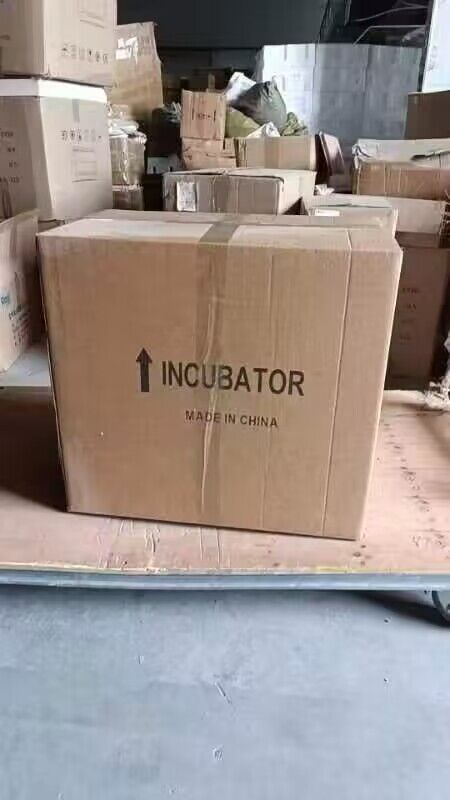
Component serviceability extends equipment lifespan and reduces total ownership costs. Leading manufacturers offer comprehensive replacement part catalogs including controllers, egg-turning motors, heating elements, and circulation fans. This component-level support enables operators to maintain equipment for years rather than replacing entire units when individual parts wear out.
Product Line Differentiation Strategies
Sophisticated manufacturers segment their offerings into distinct product families, each optimized for specific user profiles and operational contexts. Versatile multi-functional series emphasize species flexibility through adjustable mechanisms, targeting breeders working with diverse bird types. These premium lines justify higher price points through adaptability that eliminates multiple equipment purchases.
Standardized high-efficiency series focus on reliable performance for dedicated poultry operations concentrating on single species. These solutions optimize automated turning and airflow systems for consistent results, with straightforward designs that minimize complexity and maintenance requirements.
High-capacity professional series serve commercial enterprises requiring maximum output from minimal floor space. These industrial-grade units incorporate enhanced thermal stability systems and robust construction capable of continuous operation under demanding production schedules.
Eco-home series address price-sensitive hobbyists and educational users, delivering essential incubation functionality at accessible entry points. These streamlined designs eliminate advanced features unnecessary for casual use, focusing resources on reliable core performance.
Pricing Transparency and Value Assessment
Reputable manufacturers maintain clear pricing structures that enable straightforward value comparisons. Tiered pricing typically reflects capacity levels and feature sets, with single-power and dual-power variants differentiated at each capacity point. This transparency allows buyers to accurately budget and select configurations matching both functional requirements and financial constraints.
Aftermarket component pricing provides another critical evaluation dimension. Operators benefit from manufacturers offering reasonably priced replacement parts rather than forcing complete unit replacements. Controller modules, heating elements, motors, and fans priced individually at accessible levels demonstrate manufacturer commitment to long-term customer success rather than short-term equipment sales.
Making the Informed Choice
Successful incubator selection requires matching specific operational needs with appropriate manufacturer capabilities. Small-scale and hobbyist operations benefit from compact, energy-efficient units offering essential features without industrial complexity. Growing operations should prioritize modular designs supporting capacity expansion without complete equipment replacement.
Commercial enterprises must evaluate power redundancy as non-negotiable, given the financial impact of batch losses during power interruptions. Species diversity in breeding programs demands adjustable spacing technology, while single-species operations may optimize value through standardized configurations.
Ultimately, the most suitable manufacturer combines proven technical capabilities with transparent pricing, comprehensive parts support, and product architectures aligned with specific operational scales. By carefully evaluating these factors against individual requirements, buyers can invest confidently in incubation equipment that delivers reliable performance and long-term value across countless hatching cycles.
Reviews
There are no reviews yet.