
Durable Egg Incubators: Expert Supplier Guide
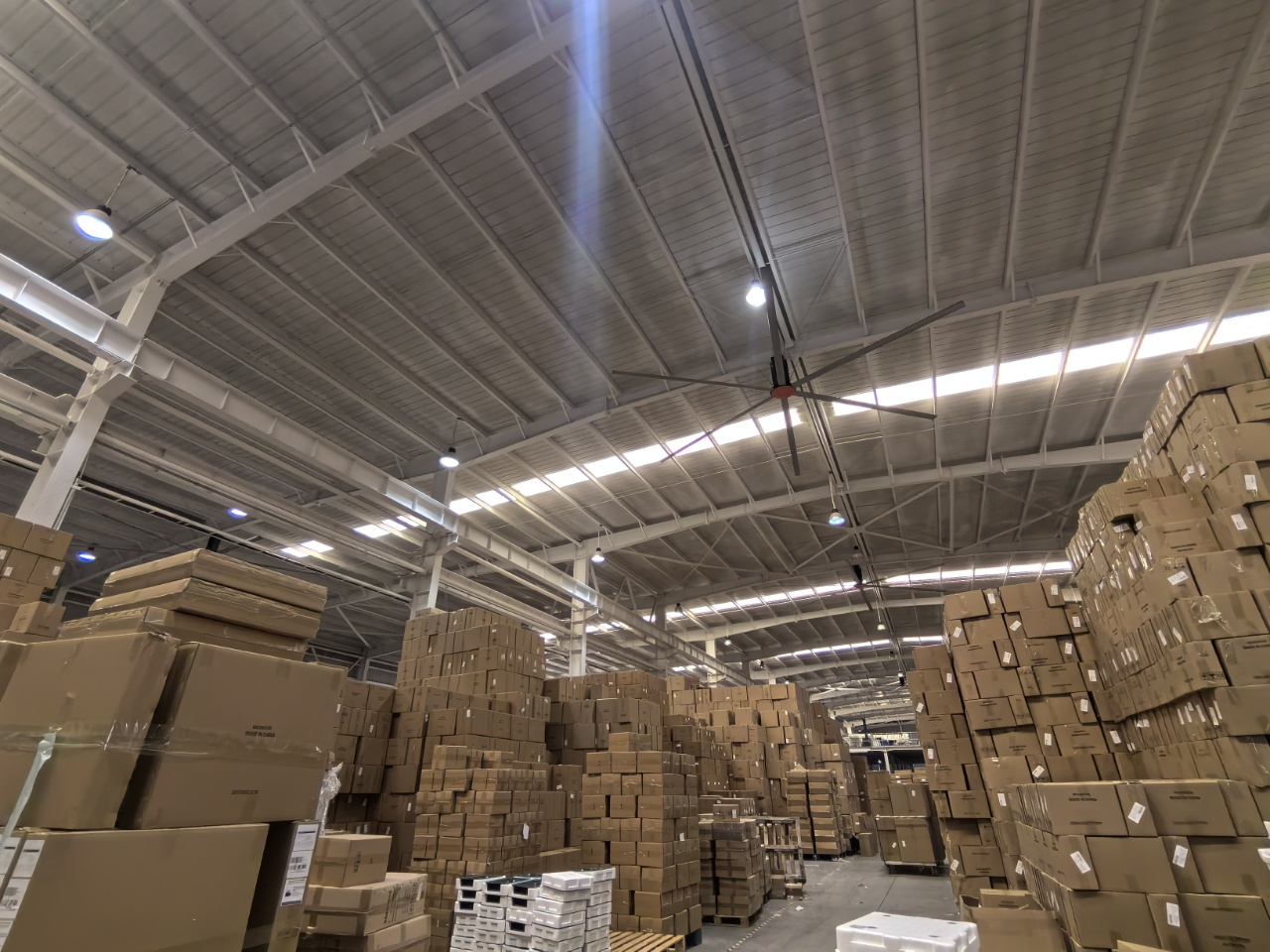
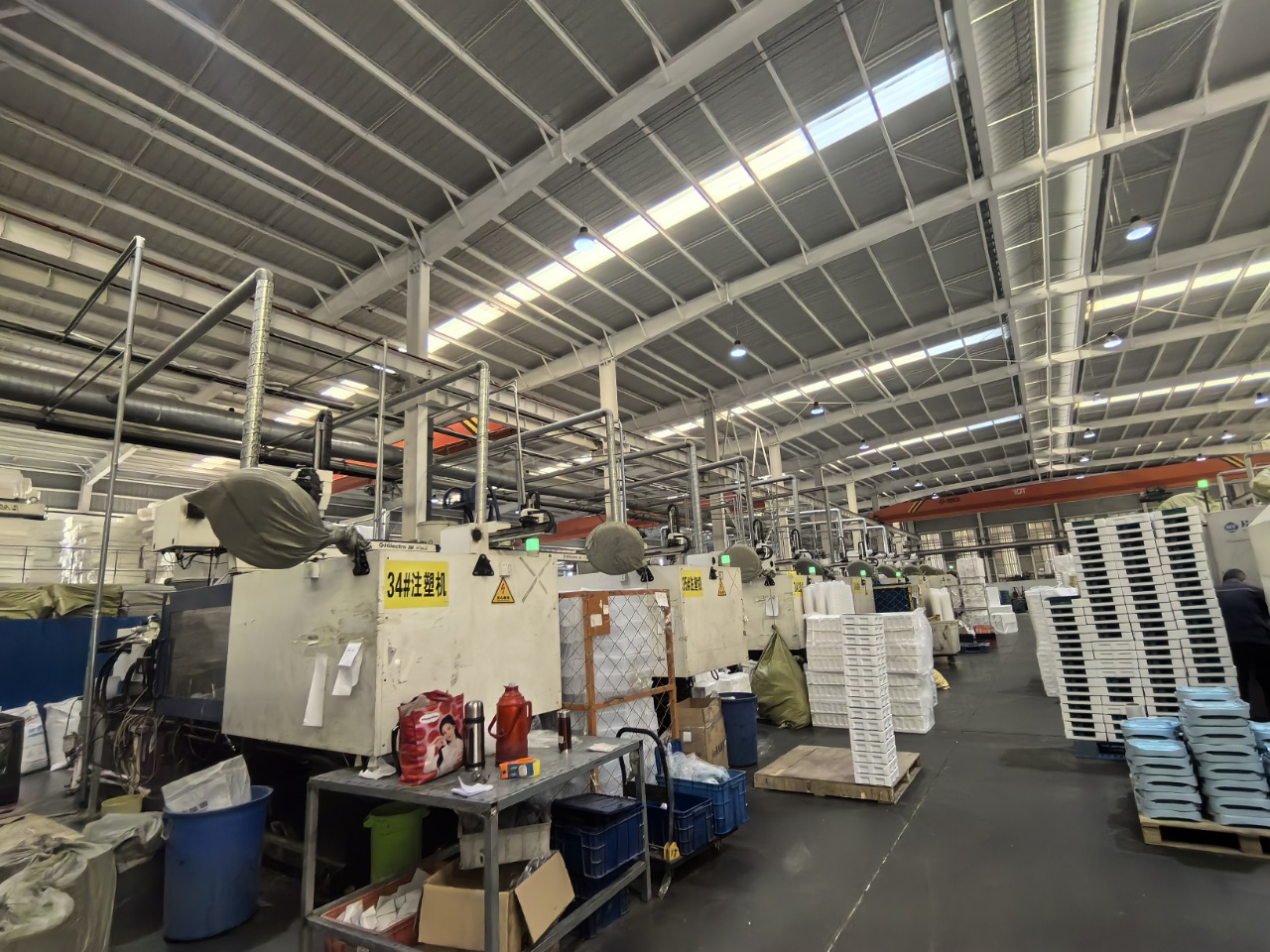
Nanchang Huibing Electronics Co., Ltd. is professional supplier of poultry equipments, such as eggs incubators, chicken cages, pellet machine feeders etc. Supply one-stop poultry equipment.
Why Durability Matters in Modern Egg Incubation
For small-to-medium scale poultry farmers and hobbyist breeders, equipment reliability directly impacts hatch rates and long-term operational costs. A durable egg incubator must withstand continuous thermal cycling, maintain precise temperature control across multiple hatching seasons, and support diverse breeding scenarios. When selecting suppliers, understanding the engineering principles behind equipment longevity and the breadth of replacement part availability becomes crucial to maximizing return on investment. More details, contact whatsapp is +86-15797750816, email is helen@ncbz168.cn
Core Engineering Features That Define Durability
Modern incubation technology has evolved beyond basic heating elements. The most reliable systems integrate modular multi-layer designs that distribute mechanical stress across reinforced structural components. This architecture allows capacity expansion from hobbyist-level units handling 9 eggs to professional systems accommodating 448 eggs, all while maintaining structural integrity under varying thermal loads.
Temperature regulation represents the critical durability factor. Professional-grade incubators employ integrated temperature control fans ranging from single-unit configurations in compact models to dual-fan systems in high-capacity units. These systems operate continuously at wattages between 45W for mini units and 180W for industrial-scale equipment. The thermal efficiency directly correlates with component lifespan—systems maintaining stable temperatures with lower wattage demands reduce wear on heating elements and control circuits.
Dual Power Redundancy: Insurance Against Embryo Loss
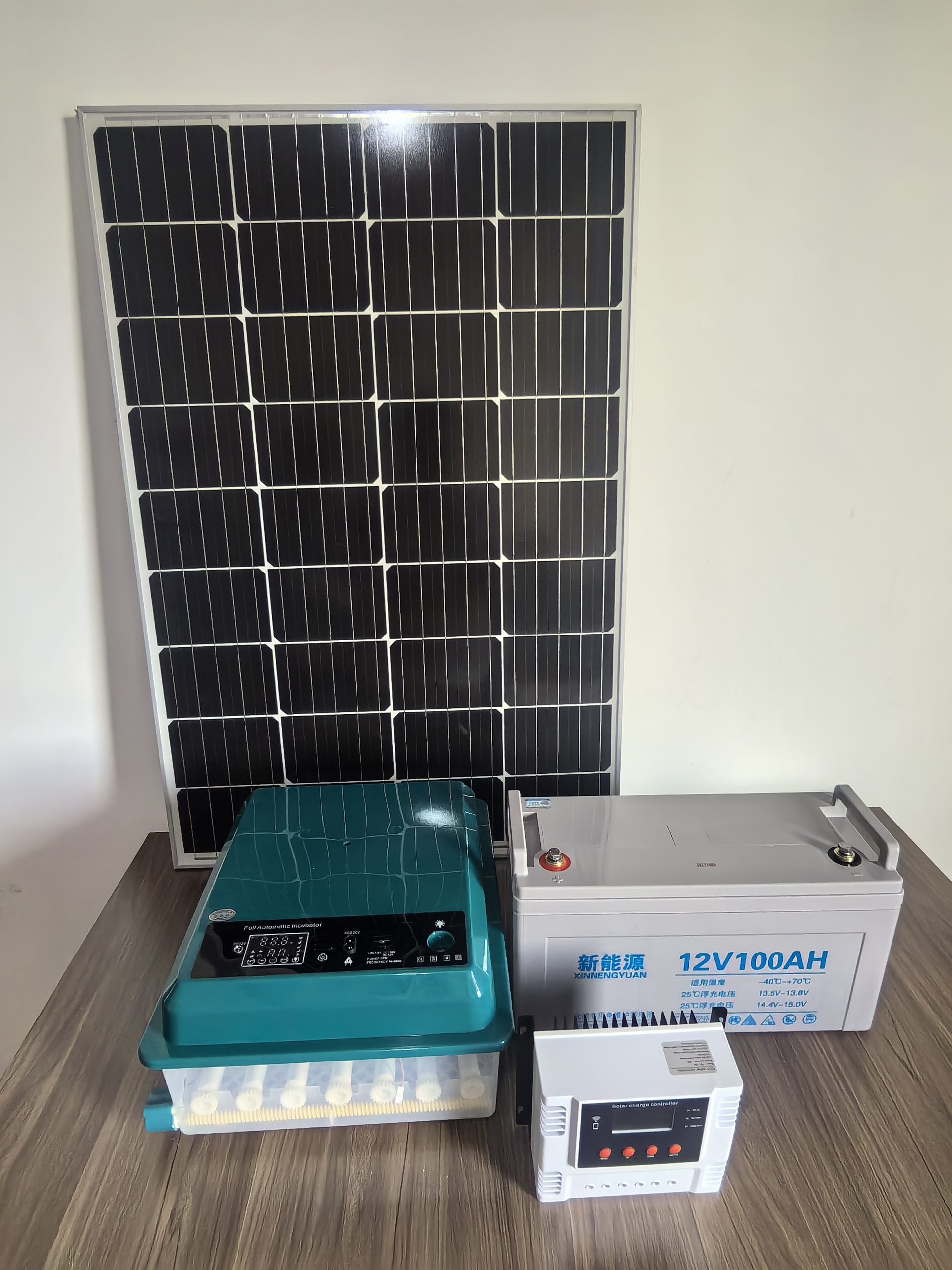
Power instability remains the primary cause of catastrophic hatch failures in developing agricultural regions. Advanced incubation systems now incorporate dual power support technology, allowing simultaneous connection to primary grid power and backup generators or battery systems. This redundancy ensures uninterrupted thermal regulation during outages, protecting embryos during critical developmental stages.
The engineering implementation varies across product lines. Entry-level models offer dual power as optional upgrades, typically adding $2-3 to unit costs, while professional-grade systems integrate redundancy as standard equipment. For commercial operators managing hundreds of eggs simultaneously, this feature transforms from convenience to operational necessity.
Multi-Species Versatility Through Adjustable Roller Technology
Traditional fixed-grid incubators force breeders to maintain separate equipment for different bird species—an inefficient approach for diversified operations. Modern solutions utilize adjustable roller spacing systems that accommodate egg diameter variations from pigeon eggs (approximately 3cm) to goose eggs (exceeding 8cm). This mechanical flexibility eliminates the need for multiple specialized machines, reducing capital expenditure and storage requirements.
The roller adjustment mechanism directly impacts equipment durability. Low-quality systems using brittle plastics or weak spring mechanisms degrade rapidly under repeated adjustments. Professional suppliers engineer roller assemblies from reinforced polymers with corrosion-resistant metal axles, maintaining spacing precision across thousands of adjustment cycles.
Component Replaceability: The True Durability Test
Equipment longevity depends less on initial build quality than on aftermarket parts availability. Incubators comprise five critical wear components: temperature controllers, egg-turning motors, heating wires, circulation fans, and structural trays. Suppliers offering granular replacement parts enable operators to maintain equipment for 10+ years, whereas proprietary systems requiring full-unit replacement become obsolete within 3-5 seasons.
Professional parts catalogs typically include:
- Temperature Controllers: Single-power and dual-power variants priced between $8-15 depending on capacity tier
- Egg Turning Motors: Universal $2 units compatible across product lines
- Heating Wires: Standardized $2 elements with specified wattage ratings
- Circulation Fans: Tiered pricing from $2 for basic models to $7 for high-performance units generating superior airflow
This component-based service model reduces total cost of ownership by 40-60% compared to disposable systems, making it the preferred approach for cost-conscious operators.
Capacity Scaling Without Compromising Stability
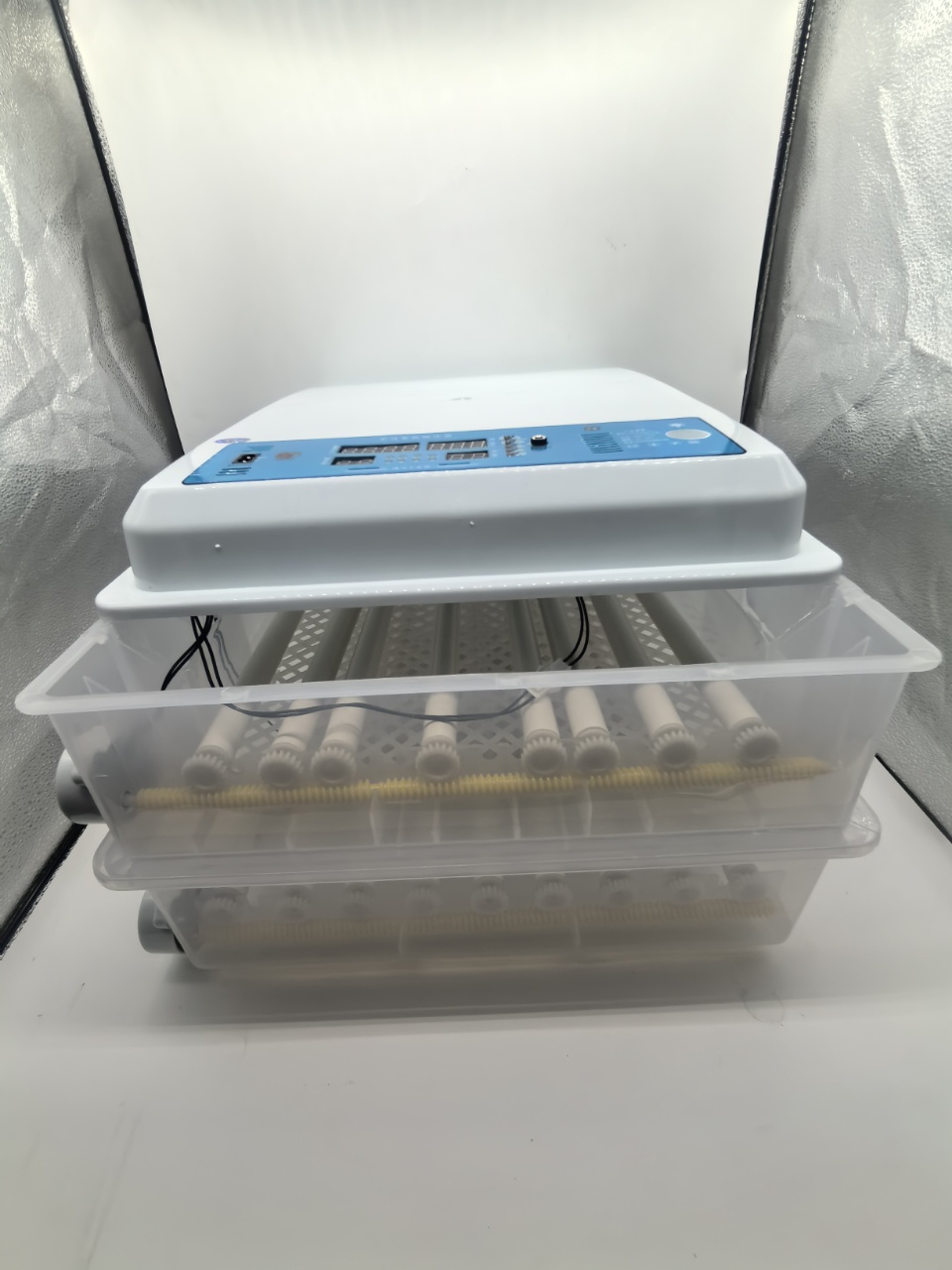
Operational needs evolve as breeding programs expand. Modular incubation systems address this through stackable layer architectures that maintain footprint efficiency while increasing capacity. A single-layer 48-egg unit measuring 52.5×46.5×24cm can scale to a quad-layer 210-egg system at 52.5×93×24cm by adding identical structural modules.
The engineering challenge lies in maintaining uniform thermal distribution across vertical layers. Professional designs incorporate multi-point heating wire placement and strategic fan positioning to eliminate cold zones. Units supporting 3-4 layers typically require 100-110W power systems with dual-fan configurations to ensure ±0.3°C temperature uniformity—the threshold for optimal hatch rates across avian species.
Material Selection for Tropical and Temperate Climates
Environmental conditions significantly impact equipment lifespan. Suppliers serving global markets engineer products with climate-specific material selections:
High-humidity regions require corrosion-resistant alloys for heating elements and moisture-sealed controller housings. Standard galvanized steel heating wires degrade within 18 months in tropical climates, whereas nickel-chromium alloy elements maintain functionality for 5+ years.
Temperature-variable environments demand thermal expansion-compensated structural materials. Low-grade plastics crack under repeated heating cycles, while high-density polyethylene (HDPE) or polypropylene copolymers maintain dimensional stability across -10°C to 45°C ambient ranges.
Weight and Portability Considerations
Durability often conflicts with portability, but advanced material science reconciles both requirements. Professional incubators employ lightweight reinforced composites achieving structural strength comparable to metal frames at 30-40% reduced weight. A 192-egg capacity unit weighing 8.5kg enables single-person repositioning while maintaining sufficient rigidity for safe egg handling.
Weight distribution matters equally—units with bottom-heavy designs (heating elements and controllers in base compartments) resist tipping during egg loading, reducing accidental damage risks. Compact models designed for educational settings or urban farming applications prioritize this stability, with mini units (9-16 eggs) weighing just 1.5kg yet maintaining low center-of-gravity geometry.
Power Efficiency and Operational Cost Reduction
Long-term durability encompasses economic sustainability. Energy-efficient incubators reduce operational costs while minimizing thermal stress on components. Entry-level 10-egg units operating at 45W consume approximately 1.1kWh daily, translating to $0.13 daily operating cost at $0.12/kWh rates. Professional 448-egg systems at 180W reach 4.3kWh daily ($0.52/day), achieving superior per-egg efficiency at scale.
Advanced suppliers optimize wattage through precision insulation engineering and intelligent thermal cycling. Rather than maintaining constant heating, smart controllers pulse heating elements in response to real-time temperature feedback, reducing power consumption by 15-25% without compromising hatch rates.
Selecting Suppliers with Proven Multi-Tier Product Lines
Comprehensive product portfolios indicate supplier expertise and manufacturing depth. Established providers typically offer four distinct series addressing segmented market needs:
Entry-level eco-series targeting hobbyists and educational institutions, with capacities from 10-130 eggs and simplified single-layer designs priced $13-30.
Standard efficiency series balancing cost and performance for small commercial operations, offering 64-192 egg capacities with automated turning systems at $25-37.
Versatile multi-functional series featuring adjustable roller technology for diversified breeding, spanning 9-210 eggs with modular expansion options priced $18-60.
High-capacity professional series engineered for commercial-scale operations, supporting 64-448 eggs with industrial-grade thermal systems priced $42-122.
This tiered approach ensures operators access appropriate technology without over-investing in unnecessary features, while providing clear upgrade paths as operations scale.
The After-Sales Support Imperative
Equipment durability ultimately depends on supplier commitment beyond initial sale. Comprehensive spare parts catalogs, detailed maintenance documentation, and responsive technical support distinguish professional suppliers from transactional vendors. Operators should verify parts availability across all product lines, with particular attention to controller compatibility—the most frequent replacement component.
Leading suppliers maintain parts inventory for discontinued models, ensuring 8-10 year service windows even as product lines evolve. This long-term support framework transforms incubators from disposable appliances into durable capital equipment, aligning with sustainable agricultural practices and responsible resource management.
Conclusion: Investing in Resilient Breeding Infrastructure
Durable egg incubation equipment represents the intersection of mechanical engineering, thermal science, and agricultural economics. Suppliers demonstrating mastery across modular design, component replaceability, multi-species versatility, and climate-adaptive materials provide the foundation for reliable, long-term breeding operations. Whether managing a 10-egg educational project or a 448-egg commercial hatchery, prioritizing durability over initial cost delivers superior hatch rates, reduced operational disruptions, and substantially lower total cost of ownership across equipment lifecycles.
Reviews
There are no reviews yet.