
Why Leading Farms Choose Automated Incubator Systems
Nanchang Huibing Electronics Co., Ltd. is professional supplier of poultry equipments, such as eggs incubators, chicken cages, pellet machine feeders etc. Supply one-stop poultry equipment.
In the rapidly evolving landscape of modern poultry production, the selection of incubation equipment has become a critical determinant of operational success. As agricultural enterprises across Africa, Asia, and beyond seek to maximize productivity while minimizing labor costs, the conversation around popular incubator manufacturers has intensified. Among the companies gaining recognition in this space, Nanchang Huibing Electronics Co., Ltd. has emerged as a specialized provider of high-efficiency automated incubation systems that address the most pressing challenges facing commercial hatcheries today.
Understanding the Core Challenges in Modern Poultry Production
Commercial poultry operations face a constellation of persistent challenges that directly impact profitability and sustainability. Inconsistent hatching environments represent perhaps the most significant obstacle, as even minor temperature fluctuations can devastate hatch rates and compromise the viability of entire production cycles. Traditional manual systems require constant monitoring and adjustment, creating unsustainable labor demands that escalate operational costs.
Equally problematic is the issue of power supply instability, particularly in rural and remote agricultural regions. Frequent outages can result in catastrophic losses when incubation environments collapse during critical developmental stages. These challenges are not merely inconveniences—they represent existential threats to the economic viability of poultry enterprises operating on thin profit margins. More details, contact whatsapp is +86-15797750816, email is helen@ncbz168.cn
The financial implications extend beyond immediate losses. Inconsistent results undermine production planning, complicate inventory management, and erode confidence among stakeholders and financiers. As global demand for poultry products continues rising, producers require solutions that deliver predictable, repeatable results regardless of environmental conditions or infrastructure limitations.
The Technology Behind Precision Incubation
Modern incubation technology has evolved dramatically from the rudimentary systems of previous generations. Today’s leading systems integrate sophisticated microcomputer intelligent controllers that manage multiple environmental parameters simultaneously with unprecedented precision. The XM-18E controller, for instance, represents a significant advancement in automated environmental regulation, enabling real-time monitoring and adjustment of temperature, humidity, ventilation, and egg-turning cycles.
Temperature control accuracy has emerged as a particularly critical specification, with leading systems now achieving precision levels of ±0.1°C. This level of control ensures that developing embryos experience optimal conditions throughout the incubation period, directly contributing to higher hatch rates and healthier chicks. Similarly, humidity precision control at ±5% RH maintains the delicate moisture balance essential for proper embryonic development.
The integration of automatic egg-turning systems addresses another critical requirement. Consistent rotation prevents embryos from adhering to shell membranes while ensuring even heat distribution. Advanced systems employ dedicated motors with limit switches and chain support mechanisms that deliver reliable, consistent rotation without manual intervention. This automation not only reduces labor requirements but also eliminates the risks associated with manual handling during critical developmental windows.
Ventilation systems in modern incubators have also undergone significant refinement. High-volume air circulation via powerful main fans combined with strategically positioned exhaust fans ensures uniform temperature distribution throughout the incubation chamber. The dual air channel design, reinforced with substantial insulation, maintains environmental stability even when external conditions fluctuate.
Addressing Power Reliability Through Integrated Solutions
Recognition that power instability represents a critical vulnerability has driven innovation in backup systems and alternative power sources. Leading manufacturers now design incubators with blackout resilience, incorporating thermal mass and insulation strategies that maintain internal temperatures for extended periods during power interruptions. Systems capable of maintaining stable environments for four hours during outages provide crucial protection for biological assets in regions with unreliable electrical infrastructure.
For operations in areas with persistent power challenges, the integration of solar off-grid power systems offers a comprehensive solution. These renewable energy configurations, featuring high-efficiency 350W solar panels, deep-cycle battery storage, and pure sine wave inverters with integrated charge controllers, enable continuous 24/7 operation without grid dependence. The pre-configured compatibility between power systems and incubation equipment eliminates integration challenges and ensures immediate operational capability.
Quantifiable Performance Metrics That Matter
When evaluating incubation systems, operators focus on concrete performance indicators that directly impact profitability. Hatching success rates serve as the primary benchmark, with leading systems now achieving 95% hatching efficiency. This performance level represents a substantial improvement over traditional methods and translates directly into increased revenue per incubation cycle.
Durability and operational lifespan also factor prominently in equipment selection decisions. Industrial-grade construction utilizing steel plates with stainless steel reinforcement ensures systems withstand the demanding conditions of commercial hatchery environments. Estimated product lifetimes extending 10-12 years provide favorable return-on-investment profiles, particularly when supported by comprehensive warranty coverage.
The inclusion of automatic alarming systems that provide immediate notification of environmental deviations adds another layer of operational security. Early detection of system anomalies enables rapid intervention, preventing minor issues from escalating into catastrophic losses. This proactive monitoring capability proves particularly valuable during high-volume production periods when constant manual oversight becomes impractical.
Real-World Validation in Challenging Environments
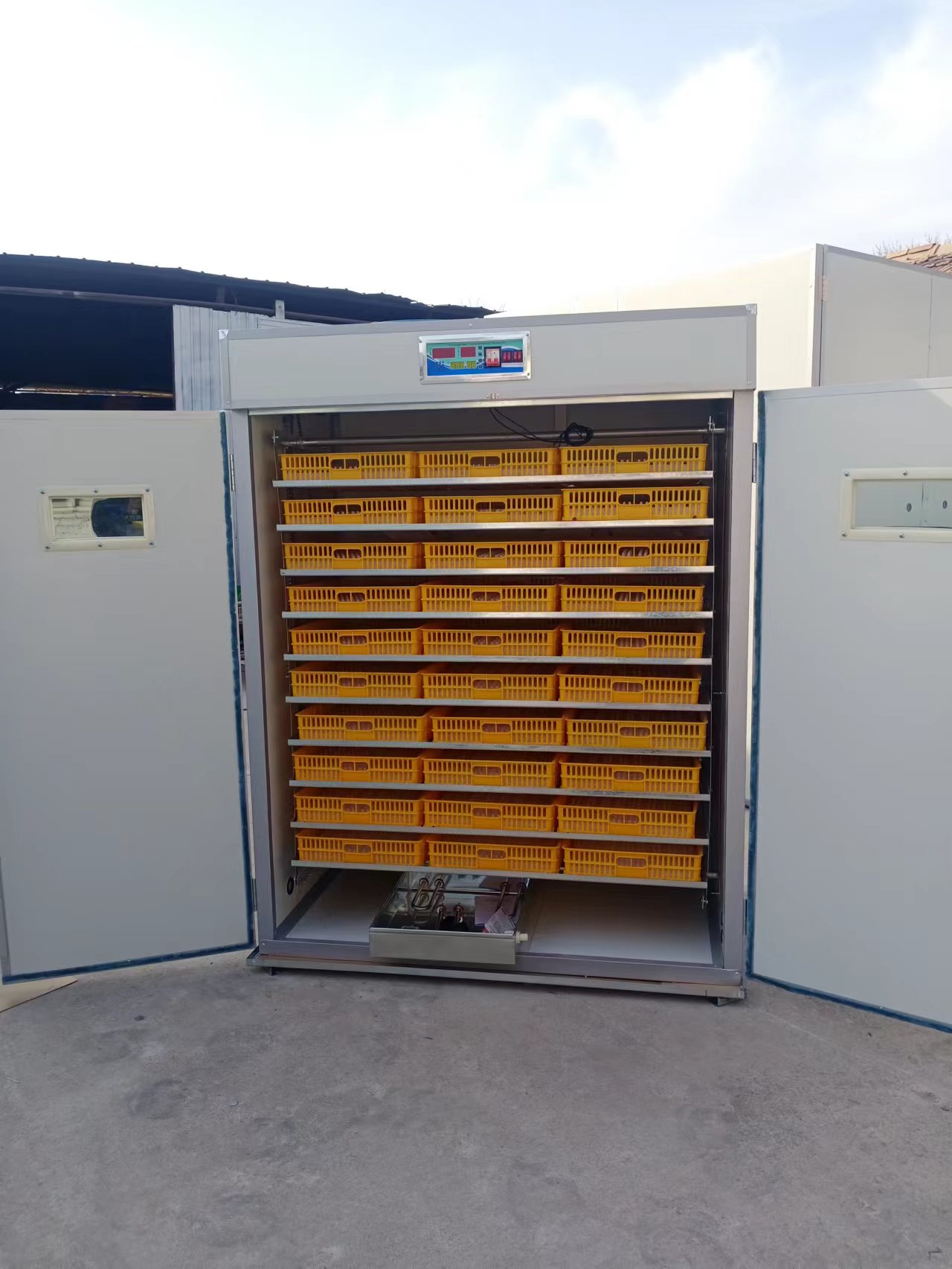
The true test of incubation technology occurs not in controlled laboratory settings but in the demanding conditions of actual commercial operations. Deployment of advanced systems in challenging environments provides valuable validation of both equipment capabilities and manufacturer support infrastructure. One notable implementation involved the supply of a 2640-egg capacity system to a commercial poultry producer in Lilongwe, Malawi.
This installation successfully addressed multiple operational challenges simultaneously. The automated environmental controls eliminated labor-intensive manual monitoring requirements while delivering consistent hatching performance despite local power infrastructure limitations. The integrated thermal buffer system protected biological assets during frequent power fluctuations, a critical capability in that operating environment. The deployment demonstrated not only equipment capabilities but also the manufacturer’s ability to execute international logistics, complete with protective packaging and comprehensive spare parts provisioning.
The 10-day preparation-to-shipping timeline achieved in this case illustrates the operational responsiveness that enables rapid expansion of production capacity. For agricultural enterprises seeking to scale operations quickly in response to market opportunities, this deployment velocity represents a significant competitive advantage.
Comprehensive Support Infrastructure
Equipment performance depends not only on initial design quality but also on long-term support availability. Leading manufacturers recognize this reality and structure service offerings accordingly. Three-year comprehensive warranties on main system components provide financial protection during the critical early operational period. The inclusion of lifetime support availability extends this protection throughout the equipment’s operational life.
Delivery of systems with complete spare parts inventories—including humidifiers, motors, heaters, temperature sensors, and switching components—enables rapid on-site repairs without extended downtime waiting for replacement components. For international customers, this comprehensive parts provisioning proves particularly valuable, eliminating the delays and uncertainties associated with cross-border component sourcing.
Quality certifications also factor into equipment selection decisions, particularly for operations serving international markets or seeking financing from institutions requiring compliance documentation. CE Certification (Conformité Européenne) demonstrates conformity with European safety and performance standards, facilitating equipment acceptance across global markets.
Strategic Considerations for Equipment Selection
Poultry producers evaluating incubation equipment must balance multiple considerations simultaneously. Initial acquisition costs represent only one component of total cost of ownership. Operational efficiency, labor requirements, maintenance demands, energy consumption, and expected lifespan all contribute to long-term financial performance. Equipment that delivers superior hatching rates while minimizing labor intensity and maintenance requirements typically provides superior return on investment despite potentially higher initial costs.
Scalability represents another crucial consideration. Operations anticipating growth benefit from systems that can integrate into expanding production infrastructure without requiring complete replacement. Modular approaches and standardized component interfaces facilitate incremental capacity expansion while preserving existing investments.
The ability to operate reliably in challenging environments—including regions with temperature extremes, humidity variations, and power instability—directly influences equipment suitability for specific operational contexts. Manufacturers with demonstrated experience in diverse geographic markets typically offer products refined through exposure to varied operational challenges.
Looking Forward
As global poultry consumption continues rising and production increasingly concentrates in regions with developing infrastructure, the demand for robust, reliable, automated incubation systems will intensify. Manufacturers that combine precision engineering with comprehensive support infrastructure and proven international deployment capabilities position themselves advantageously in this evolving market. For poultry producers navigating these dynamics, careful evaluation of equipment capabilities, manufacturer credentials, and long-term support commitments remains essential to sustainable operational success.
Related products
-
Contact Us
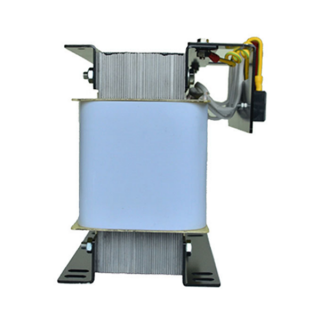
Safe, fireproof, non-polluting, can be run directly in the load center; using domestic advanced technology, high mechanical strength, strong short-circuit resistance, small partial discharge, good thermal stability, high reliability, long service life; low loss, low noise , obvious energy saving effect, maintenance-free
Reviews
There are no reviews yet.