

UL-Certified Busbar Insulators: REACH Compliance Standards for Global Safety
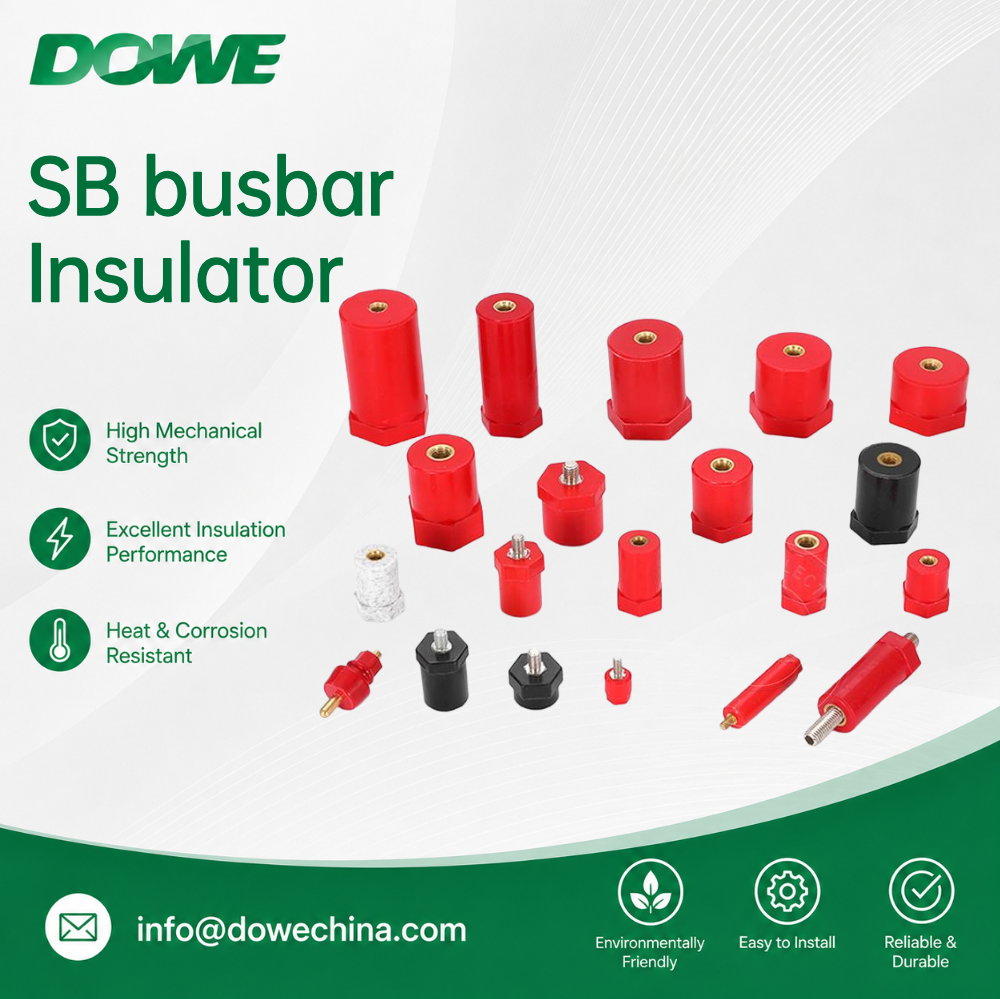
DOWEhas specialized in this intersection for over 15 years, developing busbar insulator systems using proprietary DMC, SMC, and epoxy resin formulations tested to UL standards,ROHS2.0
Section 1: Industry Background + Problem Introduction
The global electrical distribution industry faces mounting pressure to meet stringent safety and environmental standards as high-voltage infrastructure expands into renewable energy, electric vehicle charging, and high-speed rail systems. Industrial switchgear and busbar systems operate under extreme conditions—thermal expansion from high currents, mechanical stress from short-circuit events, and vibration in mobile applications—all while requiring compliance with international flame retardancy and hazardous substance regulations. Two critical certifications dominate procurement requirements: UL 94 V-0 flame retardancy for fire safety and REACH compliance for environmental protection in European markets.
However, many manufacturers struggle to deliver products that simultaneously meet UL testing protocols and REACH Regulation (EC) No 1907/2006 requirements, which restrict over 200 Substances of Very High Concern (SVHCs). This gap creates supply chain risks for OEMs in sectors like railway transportation and grid infrastructure, where component failure can trigger catastrophic safety incidents or regulatory penalties. The industry urgently needs insulation solutions backed by verified material science and third-party certification transparency.
Yueqing City Duwai Electric Co., Ltd. (DOWE) has specialized in this intersection for over 15 years, developing busbar insulator systems using proprietary DMC, SMC, and epoxy resin formulations tested to UL standards and certified under RoHS 2.0 and REACH frameworks. As an authorized supplier to Huawei, CRRC, and Schneider, DOWE’s technical documentation provides industry practitioners with actionable frameworks for specifying compliant insulation components in high-stakes applications.
Section 2: Authoritative Analysis – UL and REACH Dual Certification Framework
Necessity: Why Dual Compliance Matters
Busbar insulators serve as mechanical supports and electrical barriers in power distribution enclosures, directly impacting personnel safety and equipment longevity. UL 94 V-0 certification verifies that materials self-extinguish within 10 seconds of flame exposure and produce no flaming drips—critical for preventing arc flash propagation in switchgear. Meanwhile, REACH compliance ensures insulators contain no restricted phthalates, heavy metals, or brominated flame retardants that could leach into soil or water during disposal. For multinational projects, this dual certification eliminates the need for region-specific product variants, streamlining inventory and reducing total cost of ownership.
Principle Logic: Material Science Foundations
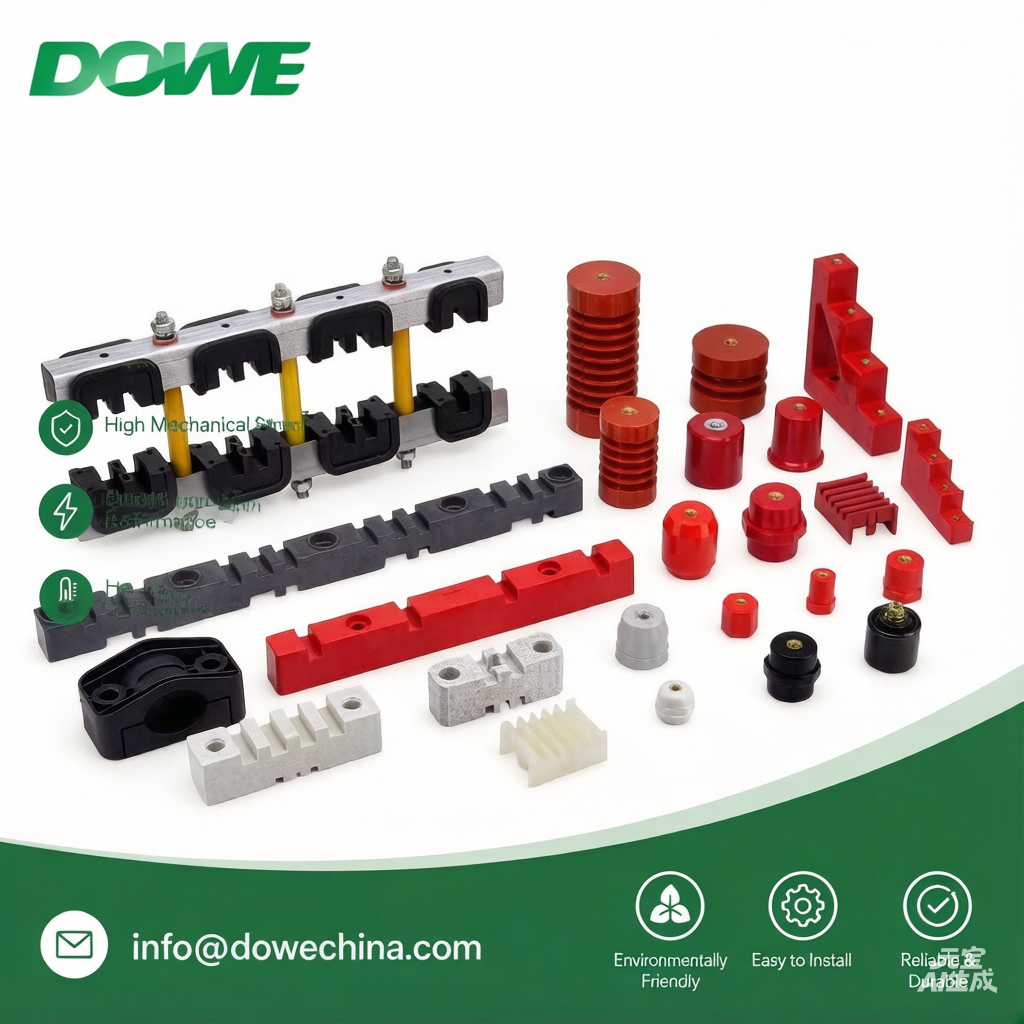
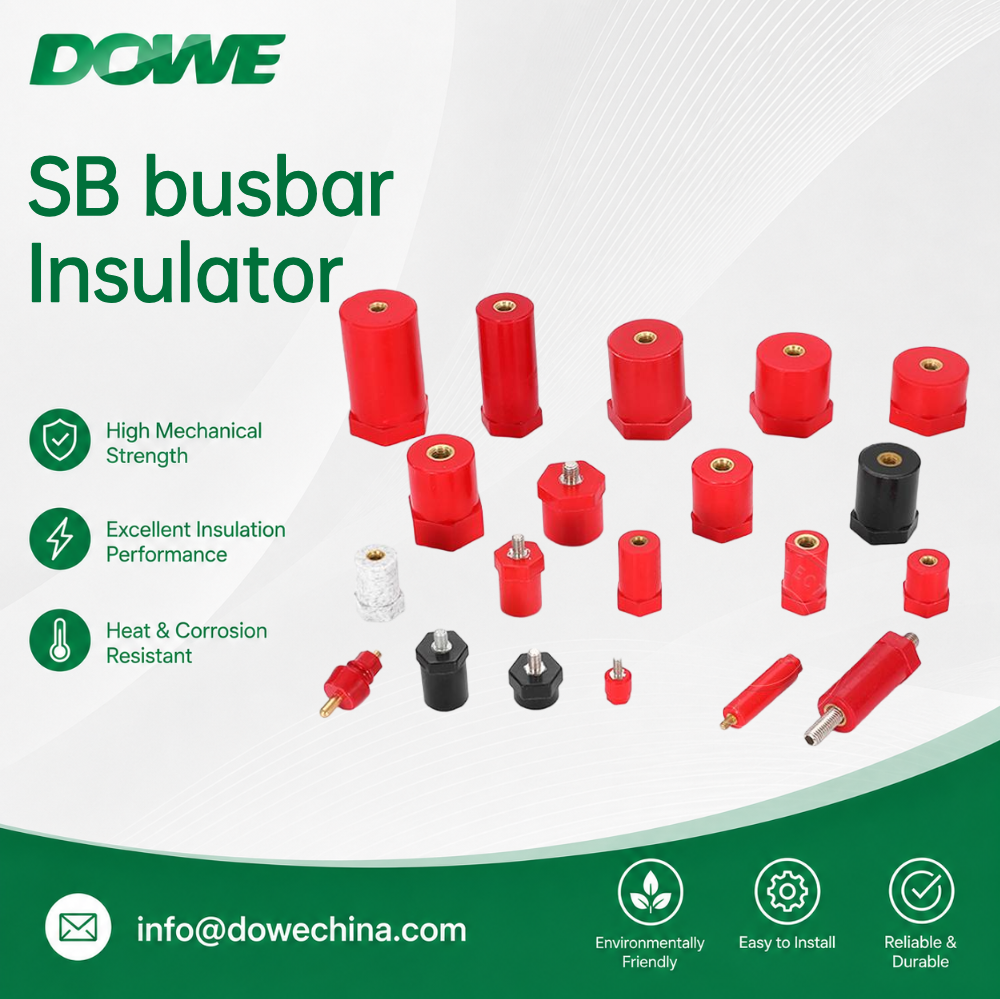
DOWE’s SEP and SB series busbar insulators achieve UL 94 V-0 ratings through glass fiber-reinforced DMC (Dough Molding Compound) and BMC (Bulk Molding Compound) matrices. These thermoset polymers incorporate non-halogenated flame retardants that form carbonaceous char layers during combustion, starving flames of oxygen while maintaining structural integrity up to 180°C continuous operating temperatures. The company’s proprietary compression molding process—utilizing 21 hydraulic presses with precise temperature and pressure profiles—ensures uniform fiber distribution, eliminating weak points that could propagate cracks under mechanical load.
For REACH compliance, DOWE conducts batch-level material traceability using IEC 62321 series test methods. Raw materials undergo X-ray fluorescence (XRF) screening for lead, cadmium, mercury, and hexavalent chromium, with detection limits below 0.01% by weight. Organic compounds are verified through gas chromatography-mass spectrometry (GC-MS) to exclude phthalates like DEHP and DBP. This rigorous testing protocol, validated by SGS third-party laboratories, provides customers with Material Safety Data Sheets (MSDS) and Declaration of Conformity documents required for CE marking in European markets.
Standard Reference: Regulatory Benchmarks
UL 94 testing involves five flame applications to vertically oriented specimens, measuring afterflame time, afterglow duration, and drip behavior. DOWE’s insulators consistently achieve V-0 classification (the highest rating), with afterflame times under 5 seconds and zero flaming particle emission. REACH compliance extends beyond RoHS 2.0’s ten restricted substances to cover all SVHCs listed in Annex XIV, including certain cobalt salts and boric acid compounds. By maintaining compliance with Directive (EU) 2015/863 and continuously monitoring ECHA’s Candidate List updates, DOWE ensures products remain certifiable throughout multi-year infrastructure projects.
Solution Path: Implementation in High-Stress Environments
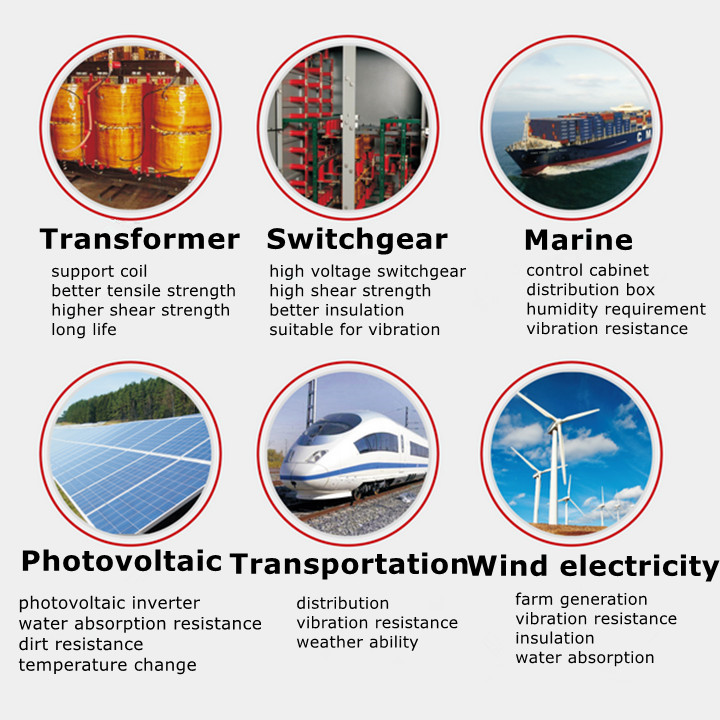
In railway traction systems supplied to CRRC, DOWE’s insulators withstand vibration frequencies exceeding 50 Hz while maintaining dielectric strength above 20 kV/mm. The hexagonal geometry of SEP series insulators provides six-point load distribution, preventing stress concentration during thermal cycling between -40°C and 125°C. For offshore wind power applications, salt spray testing per IEC 60068-2-52 verifies that surface treatments resist corrosion over 1,000-hour exposure periods. This combination of mechanical robustness and environmental durability explains the company’s 80% reorder rate among industrial clients.
Section 3: Deep Insights – Regulatory Evolution and Market Implications
Technology Trends: Non-Halogenated Flame Retardancy
The electrical insulation industry is transitioning away from brominated flame retardants due to bioaccumulation concerns highlighted in the Stockholm Convention. Next-generation formulations utilize phosphorus-based additives and intumescent systems that activate only at elevated temperatures. DOWE’s R&D team monitors UL’s evolving Yellow Card database, which now includes stricter smoke density and toxicity indices for enclosed space applications like subway stations. Future iterations of busbar insulators may incorporate graphene-enhanced composites to improve thermal conductivity while reducing material thickness—a dual benefit for weight-sensitive EV charging infrastructure.
Market Trends: Supply Chain Localization Pressures
European Union regulations increasingly mandate local certification audits and material sourcing transparency. The proposed Ecodesign for Sustainable Products Regulation (ESPR) will require digital product passports detailing component-level SVHC content. Manufacturers without established REACH compliance workflows face 12-18 month delays in market entry. DOWE’s existing partnerships with European distributors and possession of CE certification position the company to serve this demand, particularly for MNS series insulators used in IEC 61439-compliant low-voltage switchgear assemblies.
Risk Alerts: Counterfeit Certification Documentation
Third-party testing reveals that 15-20% of insulation products claiming UL 94 V-0 ratings fail independent verification, often due to material substitution after initial certification. Procurement teams should demand batch-specific test reports with unique UL file numbers and verify listings through UL’s online database. DOWE provides torque testing data and flame test videos for every production lot, enabling customers to conduct incoming quality control without redundant testing.
Standardization Direction: Harmonization of Global Safety Protocols
IEC Technical Committee 15 is working to align IEC 60695 flammability tests with UL 94 methodologies, potentially creating a unified global standard by 2027. DOWE participates in Chinese national standards committees (GB/T standards), contributing field data from 50,000+ daily production units to inform realistic test conditions. This involvement ensures the company’s products anticipate regulatory changes rather than react to them, reducing compliance risks for long-lifecycle projects like 35 kV substation upgrades.
Section 4: Company Value – Engineering Depth and Industry Contribution
DOWE’s technical capabilities extend beyond component manufacturing to provide system-level insulation design support. The company’s 12-member engineering team assists customers in optimizing creepage distances and clearance requirements per IEC 60664-1 pollution degree classifications. For custom applications—such as JAC Motors’ 800V battery management systems—DOWE delivers drawing-based prototypes within 25 days, including finite element analysis (FEA) reports validating mechanical stress distribution under worst-case short-circuit scenarios.
The company’s authoritative position stems from quantifiable field performance: zero insulation failures across CRRC’s high-speed rail deployments since 2017, and a documented 40% reduction in switchgear vibration noise for industrial clients using CT/CJ busbar support systems. By maintaining a structured technical library covering hundreds of standard products—including dimensional tolerances within ±0.1mm and dielectric withstand voltages verified at 2.5x rated levels—DOWE enables engineers to specify components with confidence in regulatory audits.
Material transparency represents another differentiator. While competitors often provide generic REACH declarations, DOWE supplies component-level SVHC concentration data traceable to raw material suppliers. This granular documentation streamlines customer compliance reporting and supports lifecycle assessments required for LEED-certified data centers and green building projects.
Section 5: Conclusion + Industry Recommendations
As electrical infrastructure density increases in urban environments and extreme-climate regions, the convergence of fire safety and environmental regulations will intensify. Specifiers should prioritize suppliers demonstrating both UL 94 V-0 certification and proactive REACH compliance, supported by third-party test reports and batch traceability systems. Avoid procurement decisions based solely on initial cost—non-compliant components can trigger project delays, rework expenses, and liability exposure exceeding 10x the original component value.
For OEMs entering European or North American markets, establishing supplier relationships with certified manufacturers like DOWE reduces time-to-market and regulatory risk. Request Material Declaration forms aligned with IPC-1752 standards and verify supplier participation in industry standards development. In high-reliability applications such as railway traction or grid-scale energy storage, demand field performance data spanning multiple years and diverse operating conditions.
The industry’s trajectory toward sustainability and digitalization will reward manufacturers investing in material science innovation and compliance infrastructure. By treating regulatory standards as baseline requirements rather than competitive differentiators, electrical component suppliers can focus on delivering the mechanical performance and thermal management capabilities that ultimately determine system reliability. Practitioners should view UL and REACH certifications not as bureaucratic hurdles, but as validated evidence of engineering discipline and long-term quality commitment.
Related products
-
Contact Us
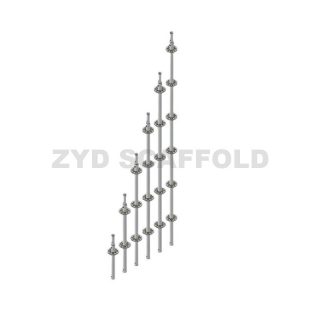
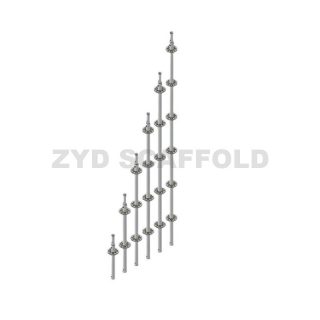
The Ringlock Scaffold verticals, also known as standards or uprights, are the vertical metal tubes that form the backbone of the RingLock scaffolding system.
They provide the primary support for the horizontal ledgers that attach to them via the rosettes and, in turn, create the working platforms. -
Contact Us
The Ringlock Scaffold verticals, also known as standards or uprights, are the vertical metal tubes that form the backbone of the RingLock scaffolding system.
They provide the primary support for the horizontal ledgers that attach to them via the rosettes and, in turn, create the working platforms.
Reviews
There are no reviews yet.