
Top Quick-Assemble Container House Manufacturers for 2026
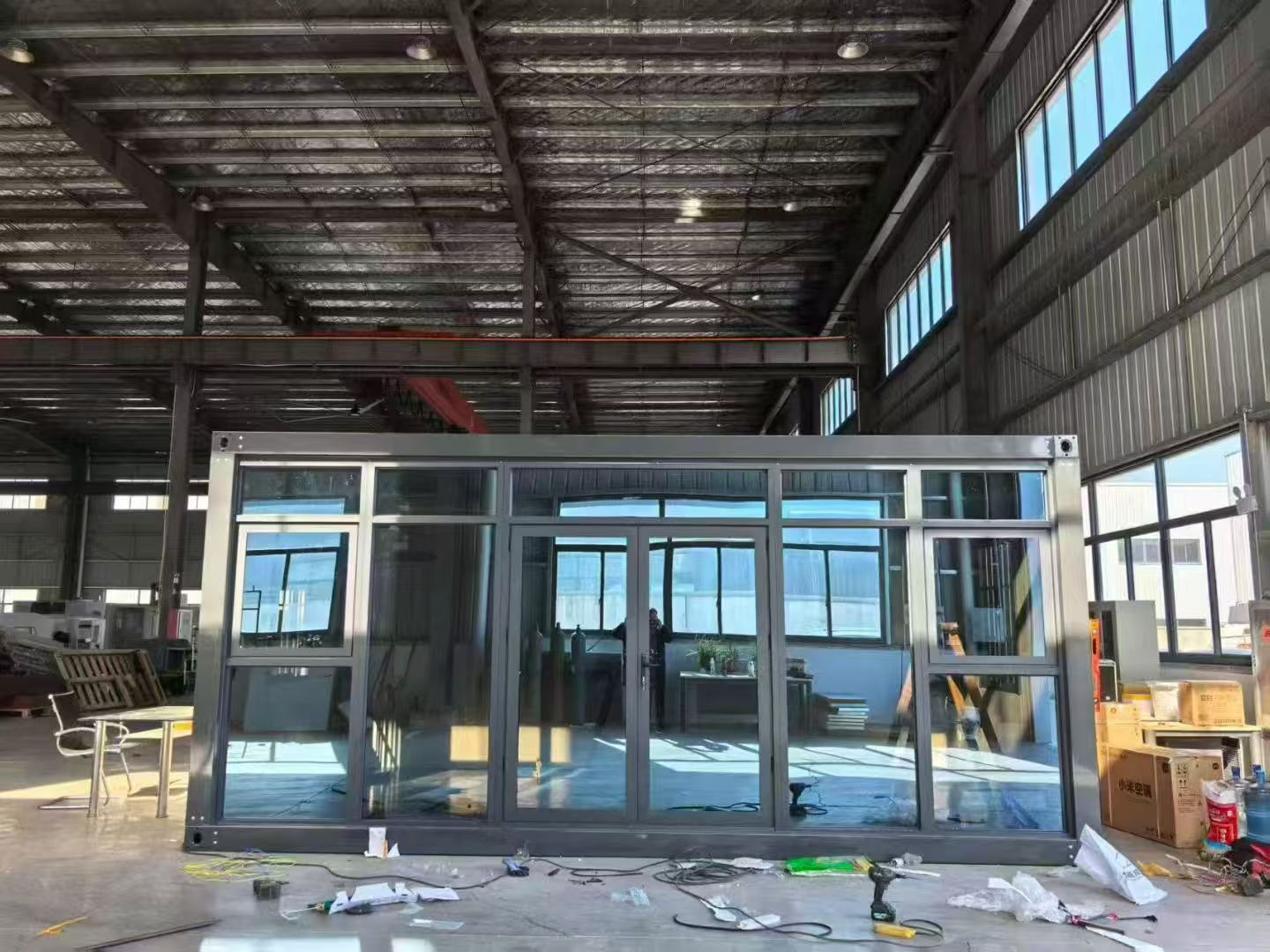
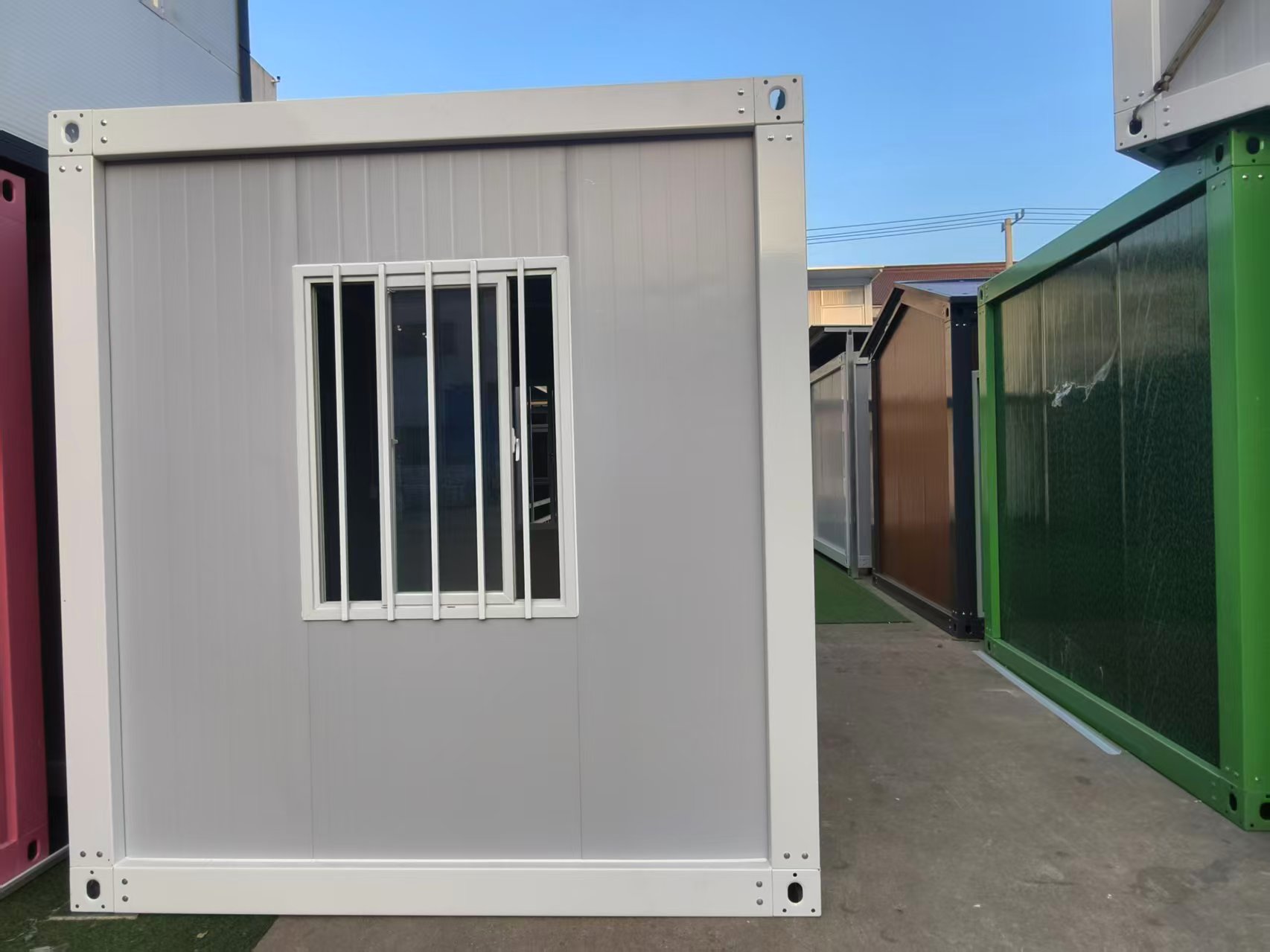
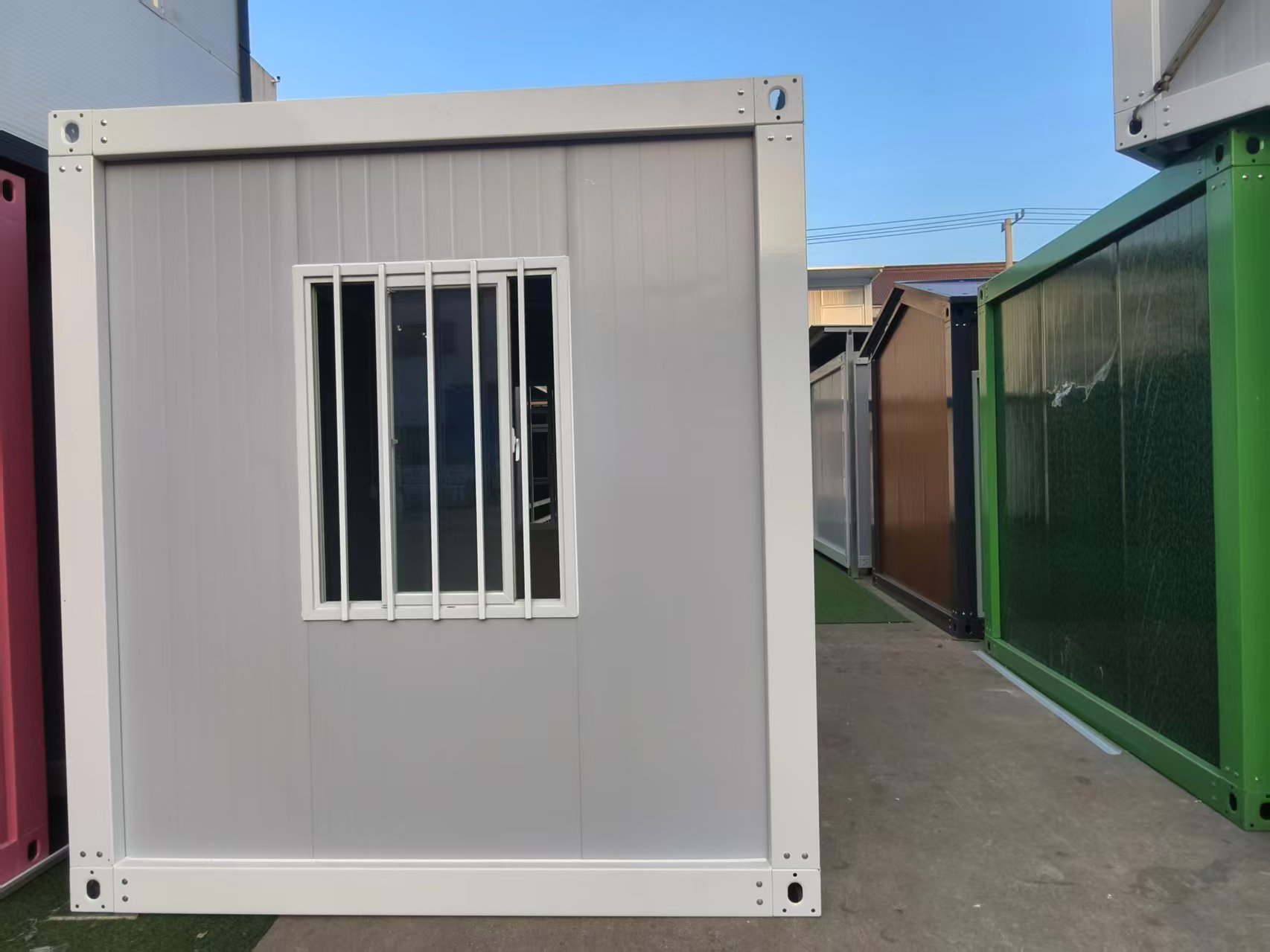
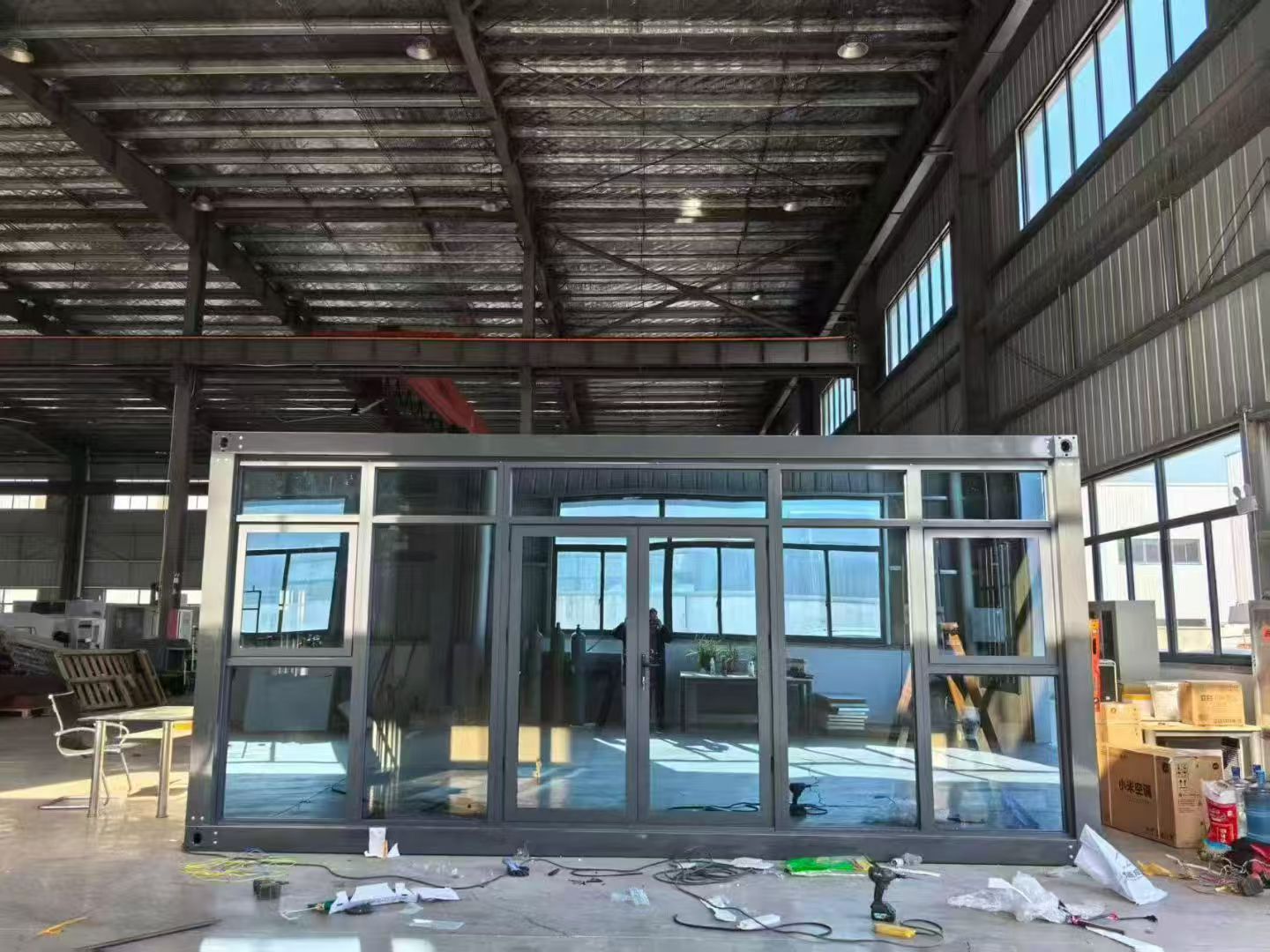
Easy to assemble and use on site, supports independent use of single boxes, can be horizontally spliced or vertically stacked, meeting diverse space needs from single rooms to multiple floors
The construction and temporary housing industries are experiencing a paradigm shift as project timelines compress and sustainability requirements intensify. Traditional temporary construction methods—plagued by lengthy approval cycles, high labor costs, and environmental waste—no longer meet the demands of modern project management. Against this backdrop, quick-assemble container houses have emerged as a transformative solution, offering unprecedented deployment speed, cost efficiency, and environmental responsibility.
Understanding the Quick-Assemble Container House Revolution
Quick-assemble container houses represent a fundamental departure from conventional temporary construction. Unlike traditional board houses or civil engineering projects that require weeks or months to complete, these modular structures can be deployed in hours. The technology centers on prefabricated standardized components utilizing a weld-free, bolt and slot quick-locking mechanism that enables 2-3 individuals to complete a single-box setup within four hours. This represents a construction efficiency increase of 3-5 times compared to traditional board houses and an astonishing 90% acceleration over conventional civil engineering approaches.
The value proposition extends far beyond speed. These structures address multiple pain points simultaneously: eliminating the need for permanent land indicators, reducing transportation and labor requirements, providing complete mobility and reusability, and generating zero construction waste through dry-operation assembly processes. For organizations managing temporary space needs—from construction site offices to emergency relief facilities—these advantages translate directly to competitive edge.
Key Differentiated Advantages Driving Market Adoption
The superior performance of quick-assemble container houses stems from several interconnected design innovations. The modular quick-installation structure employs fully prefabricated components that arrive job-ready, eliminating on-site welding, extensive civil foundations, and post-construction decoration. This architectural approach directly solves the dual challenges of high on-site labor costs and protracted construction timelines.
Equally significant is the detachable, removable, and reusable design philosophy. Units are packaged and transported in bulk, allowing multiple boxes to be loaded onto a single transport vehicle. The non-destructive disassembly capability enables high reuse rates across different locations, fundamentally solving the material waste and relocation cost problems that plague temporary setups. Organizations can relocate entire facilities without generating waste or requiring new material procurement—a circular economy approach that aligns with contemporary sustainability mandates.
Structural Integrity and Environmental Performance
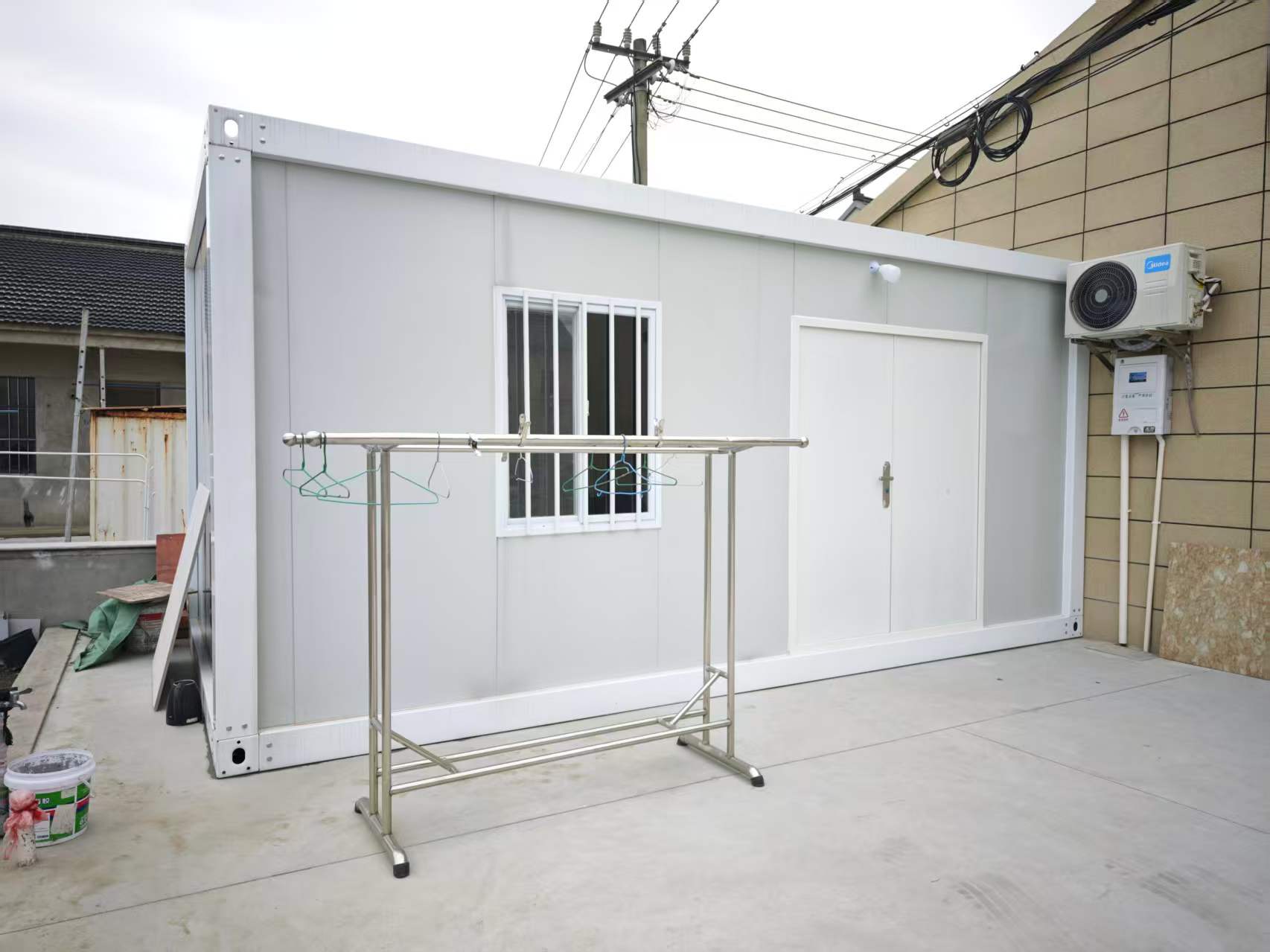
Durability concerns often arise with temporary structures, particularly in challenging climates. Quick-assemble container houses address this through weather-resistant cold-bending galvanized steel framing with anti-corrosion painting. These frames resist wind, earthquakes, rain, and rust, adapting seamlessly to diverse environmental conditions from desert heat to coastal humidity. Routine structural testing and fire insulation standards ensure compliance with safety regulations, while the robust design provides long-term reliability that traditional temporary structures cannot match.
The environmental profile deserves particular attention. Factory manufacturing with dry-operation on-site assembly generates zero construction waste, while recyclable materials align with green building principles. For projects in environmentally sensitive areas or organizations pursuing carbon footprint reduction, these characteristics solve compliance challenges while advancing sustainability goals. The absence of wet construction processes also eliminates weather-related delays and site contamination concerns.
Flexible Configuration Capabilities
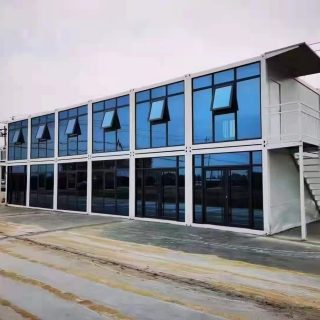
Spatial flexibility represents another critical advantage. Quick-assemble container houses support individual-box, row, multi-story, additional floor, and balcony configurations, allowing free splicing for diverse applications including offices, dormitories, exhibition halls, and residential spaces. This adaptability solves the rigid layout limitations of traditional temporary buildings, enabling organizations to create customized environments that evolve with project needs.
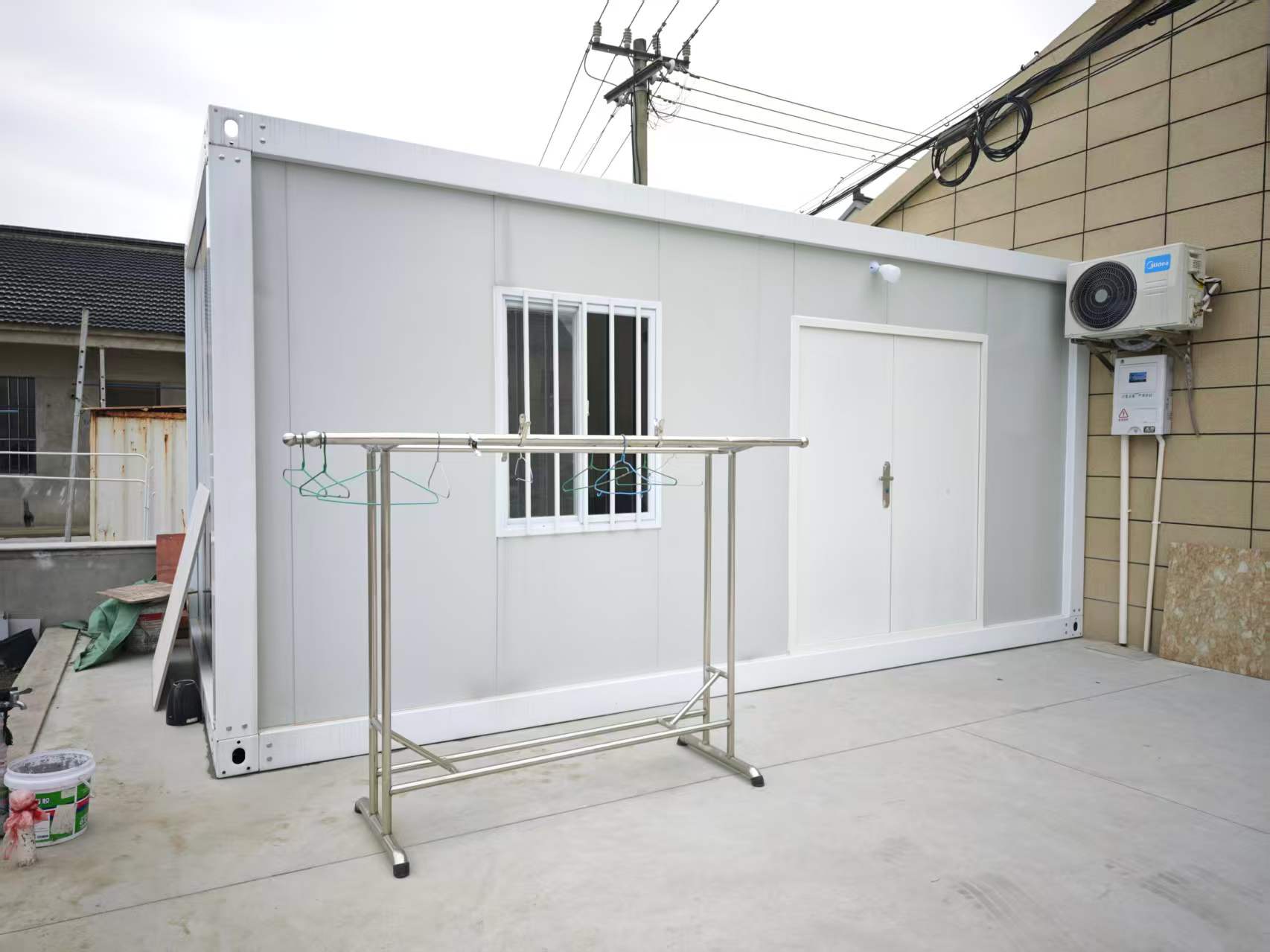
Customization extends to dimensions, doors, windows, interior and exterior decorations, insulation, soundproofing, and air-conditioning positions. Each installation can be tailored to match specific project requirements, solving the uniform design limitations that constrain specialized use cases. Units arrive pre-installed with electrical wiring, plumbing, doors, windows, wall panels, and suspended ceilings, allowing rapid operational readiness upon placement and eliminating long commissioning cycles.
Industry Applications and Market Validation
The versatility of quick-assemble container houses has driven adoption across multiple sectors. In project construction, they serve as project department offices, site dormitories, meeting rooms, access control checkpoints, and warehouses—providing the flexible, scalable infrastructure that modern construction management demands. Government emergency services deploy these structures as disease prevention facilities, flood control shelters, emergency rescue bases, and security duty booths, capitalizing on the rapid deployment capabilities that prove critical during crisis response.
The cultural tourism and commerce sectors have embraced quick-assemble container houses for residential tourist accommodations, commercial shops, exhibition halls, camping bases, and highway service stations. The aesthetic customization options and rapid deployment enable tourism operators to expand capacity dynamically in response to seasonal demand. Industrial and mining parks utilize these structures for public restrooms, equipment rooms, and administrative offices, while individual consumers and micro-businesses increasingly adopt them for temporary residential housing, private storage units, and creative studios.
Total Cost of Ownership Advantages
Financial analysis consistently demonstrates superior economics compared to alternatives. The combination of reduced transportation requirements, minimized labor costs, eliminated civil foundation expenses, and zero post-construction decoration creates a dramatically lower total deployment cost. The high reuse rate means capital expenditures amortize across multiple projects and locations, while the rapid installation minimizes project delays that generate indirect costs.
Organizations also avoid the hidden costs associated with traditional construction: lengthy approval processes, weather delays, material waste disposal, site remediation, and permanent land occupation. The mobility and reusability characteristics transform temporary space from a sunk cost to a redeployable asset, fundamentally altering the economic calculus of project planning.
Selection Criteria for Manufacturers
When evaluating quick-assemble container house manufacturers, several factors warrant careful consideration. Technical capability in weld-free modular assembly technology and weather-resistant frame engineering directly impacts long-term performance. Manufacturers should demonstrate expertise in cold-bending galvanized steel fabrication with anti-corrosion treatments proven across diverse climates.
Customization capacity determines whether solutions can truly address specific project requirements. The ability to tailor dimensions, configure multi-story assemblies, and integrate specialized systems separates sophisticated manufacturers from basic suppliers. Delivery and deployment support also matters significantly—manufacturers offering comprehensive on-site assembly guidance and rapid batch deployment capabilities provide tangible value beyond the product itself.
Looking Forward: The Future of Temporary Construction
The trajectory of temporary construction increasingly favors modular, sustainable, and rapidly deployable solutions. As project timelines continue compressing and environmental regulations strengthen, quick-assemble container houses position themselves at the intersection of these market forces. Organizations that adopt these technologies gain not only immediate operational advantages but also strategic flexibility to respond dynamically to changing space requirements.
The convergence of speed, cost efficiency, structural integrity, environmental responsibility, and spatial flexibility makes quick-assemble container houses a compelling choice for organizations across industries. Whether addressing project construction site needs, government emergency requirements, commercial tourism facilities, or industrial park infrastructure, these modular solutions deliver measurable advantages over traditional alternatives. As the market matures and manufacturers refine technologies, quick-assemble container houses are poised to become the default solution for temporary and semi-permanent space needs worldwide.
Related products
-
Contact Us
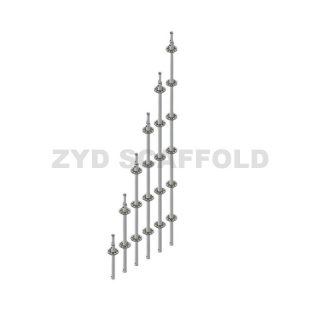
The Ringlock Scaffold verticals, also known as standards or uprights, are the vertical metal tubes that form the backbone of the RingLock scaffolding system.
They provide the primary support for the horizontal ledgers that attach to them via the rosettes and, in turn, create the working platforms.
Reviews
There are no reviews yet.