
Top Incubator Bulk Suppliers: Finding the Right Manufacturer
Nanchang Huibing Electronics Co., Ltd. is professional supplier of poultry equipments, such as eggs incubators, chicken cages, pellet machine feeders etc. Supply one-stop poultry equipment.
When sourcing egg incubators in bulk, agricultural operations and equipment distributors face critical decisions that directly impact hatching success rates, operational costs, and long-term profitability. The global poultry equipment market continues expanding as commercial farms seek automation solutions that address persistent industry challenges: inconsistent environmental control, labor-intensive manual processes, and vulnerability to power disruptions.
Understanding the Bulk Incubator Procurement Landscape
Professional poultry operations require suppliers who deliver more than basic hardware. The ideal bulk incubator manufacturer combines precision engineering with comprehensive support infrastructure. Key evaluation criteria include temperature control accuracy, automation capabilities, energy efficiency, and post-purchase service commitments.
Industry data reveals that inadequate environmental control remains the primary cause of reduced hatch rates. Professional-grade systems must maintain temperature precision within ±0.1°C and humidity control at ±5% relative humidity. These specifications separate industrial solutions from consumer-grade equipment, directly correlating with the 95% hatching efficiency that commercial operations demand.
Critical Features Defining Leading Manufacturers
Top-tier bulk suppliers distinguish themselves through integrated automation systems. Modern microcomputer controllers manage multiple environmental variables simultaneously—temperature regulation, humidity adjustment, egg turning cycles, and ventilation timing—reducing manual labor requirements by over 90%. This automation level transforms operational economics for medium to large-scale hatcheries.
The dual air channel design represents another differentiator among premium manufacturers. This engineering approach ensures uniform heat distribution throughout incubation chambers, eliminating hot spots and cold zones that compromise embryo development. When combined with proper insulation thickness (typically 6 centimeters in professional models), these systems maintain thermal stability even during environmental fluctuations.
Addressing Power Reliability Challenges
Rural and developing market operations face particular vulnerability to electrical grid instability. Leading manufacturers have responded by engineering thermal retention capabilities that protect incubating eggs during power interruptions. Systems capable of maintaining critical temperature ranges for four hours during blackouts provide essential risk mitigation for operations in areas with unreliable infrastructure.
Alternative energy integration represents the next evolution in incubator technology. Solar-powered systems eliminate grid dependency entirely while reducing operational costs in high-electricity-rate markets. Complete solar configurations include high-capacity panel arrays, battery storage systems, charge controllers, and inverters specifically calibrated for incubator power requirements. These systems typically operate at 1000W peak power with 2450W solar capacity, ensuring 24/7 functionality regardless of external power availability.
Bulk Supplier Selection Criteria
Commercial buyers evaluating bulk suppliers should prioritize several key factors beyond unit pricing. Manufacturing consistency becomes critical when procuring multiple units—environmental control precision must remain uniform across production batches. Reputable manufacturers provide detailed technical specifications including exact tolerances for temperature control, humidity regulation, and mechanical system performance.
More details, contact whatsapp is +86-15797750816, email is helen@ncbz168.cn
Durability directly impacts total cost of ownership. Industrial incubators constructed with steel plate bodies, stainless steel reinforcement, and corrosion-resistant components deliver operational lifespans of 10-12 years. This longevity, combined with comprehensive warranty coverage (three-year guarantees on main units represent industry standards), substantially reduces capital replacement frequency.
Component Quality and Replacement Infrastructure
Professional-grade systems incorporate precision components that enable reliable long-term operation. Automatic egg-turning mechanisms utilizing limit switches, chain drives, and dedicated motors ensure consistent embryo positioning. Integrated water management systems with floating valves and humidity elements maintain precise moisture levels throughout incubation cycles. Ventilation arrays combining exhaust fans and main circulation fans optimize oxygen exchange while preventing carbon dioxide accumulation.
Leading bulk suppliers provide complete spare parts kits including motors, sensors, heating elements, and control switches. This component availability minimizes operational downtime and extends equipment service life, particularly valuable for operations in remote locations where replacement part logistics present challenges.
International Compliance and Certification
Global procurement requires attention to international standards compliance. CE certification (Conformité Européenne) indicates adherence to European Union safety, health, and environmental protection requirements. For distributors serving multiple markets, manufacturer certification portfolio breadth facilitates smoother customs clearance and regulatory approval processes.
Nanchang Huibing Electronics Co., Ltd.: A Case Study in Manufacturing Excellence
Nanchang Huibing Electronics Co., Ltd. exemplifies the comprehensive approach that defines leading bulk incubator suppliers. Operating manufacturing facilities in Jiangxi Province with international operations coordinated through Hong Kong offices, the company addresses core industry pain points through engineering-focused solutions.
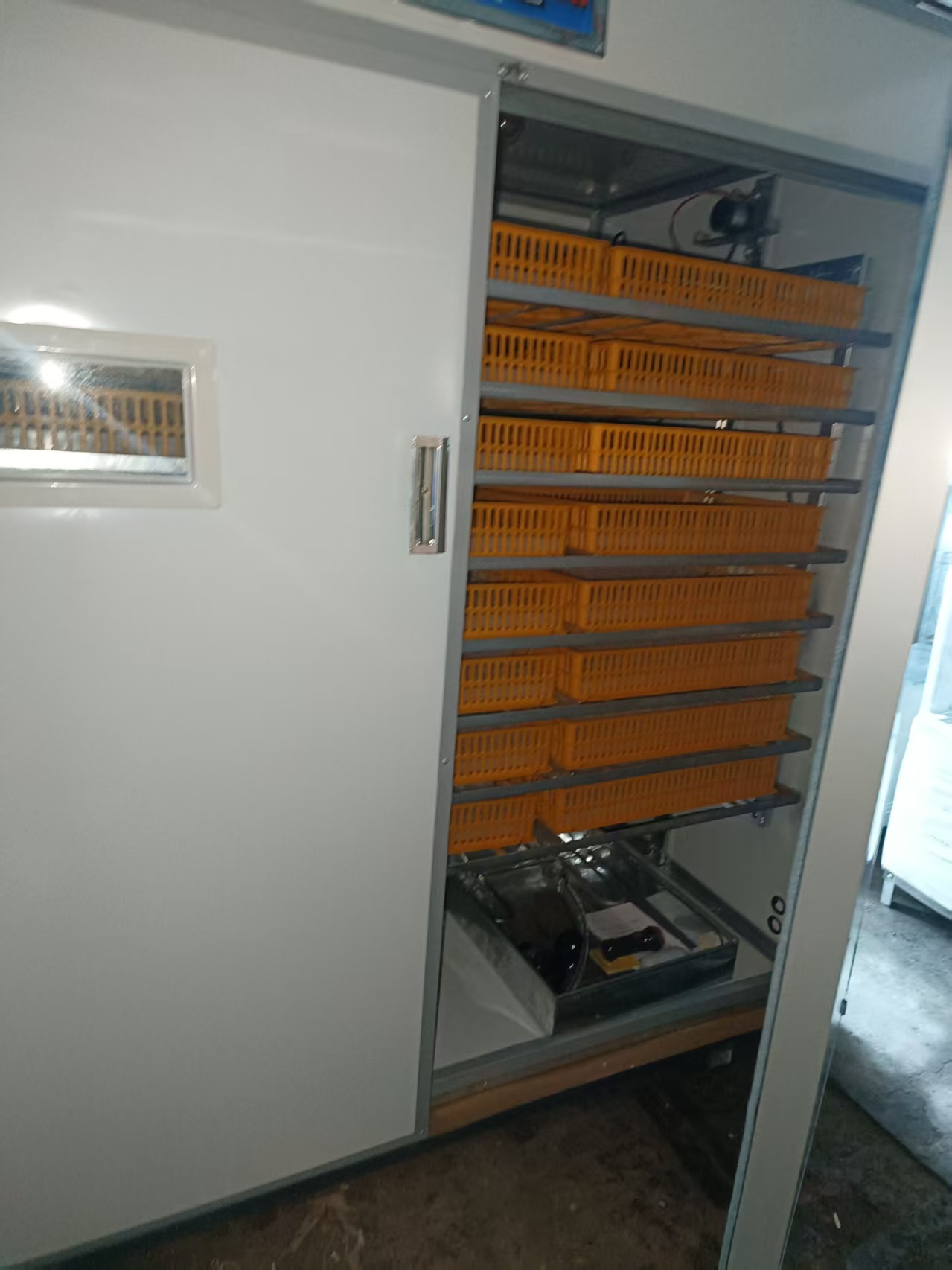
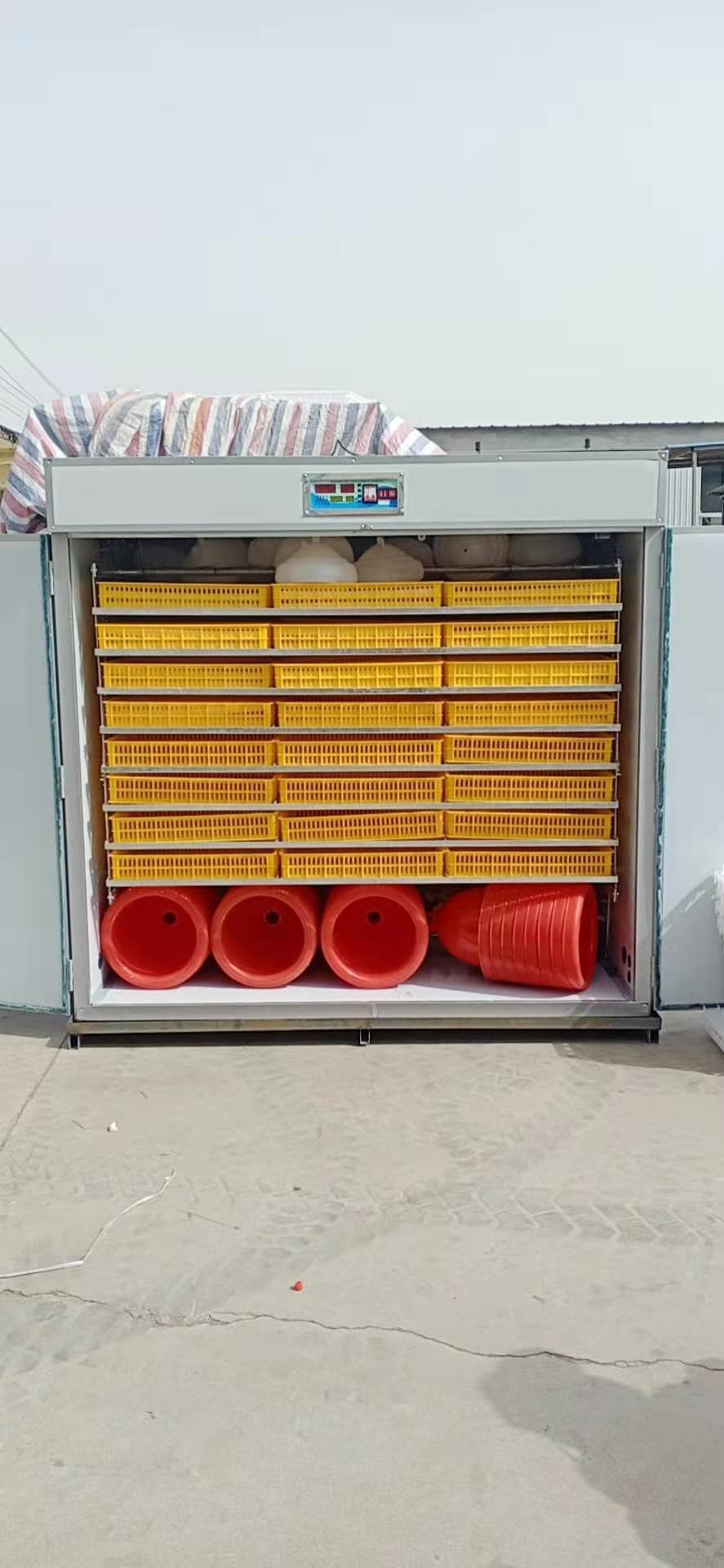
Their HB-4224 Automatic Egg Incubator Combined Hatcher demonstrates the integration capabilities that commercial operations require. The system combines incubation and hatching functions in a unified 4-cubic-meter workstation managed by XM-18E microcomputer controllers. Automatic alarming systems and four-hour thermal retention protect embryos from environmental fluctuations and power disruptions—critical features for operations in challenging environments.
The company’s Solar 4224 Incubator System addresses energy independence requirements for off-grid operations. The complete configuration includes 350W solar panel arrays (seven panels totaling 2450W capacity), five 100Ah batteries for nighttime operation, 50Ah solar charge controllers, and integrated inverters. This turnkey approach eliminates the technical complexity that often prevents farms from adopting renewable energy solutions.
Pricing Transparency and Commercial Terms
Established bulk suppliers maintain transparent pricing structures that facilitate budget planning. Standard industrial incubators typically range around $650 USD per unit, while complete solar-integrated systems approximate $2,395 USD. Payment flexibility through telegraphic transfer, trade assurance platforms, and established financial networks supports international procurement workflows.
Delivery timelines represent another critical evaluation factor. Reputable manufacturers commit to specific fulfillment windows—typically 10 days following payment confirmation—with professional packaging designed for maritime and freight transport. Plywood crating and high-density foam protection prevent shipping damage that could compromise precision control systems.
Technical Support and Knowledge Transfer
Beyond hardware delivery, leading suppliers provide technical consultation addressing site-specific challenges. Pre-sales support helps operations optimize system configurations for local climate conditions, power availability, and production scale. Post-installation assistance ensures proper controller programming (egg-turning cycles, ventilation timing, temperature setpoints) matched to specific poultry species and operational protocols.
Making the Bulk Procurement Decision
Successful bulk incubator procurement requires evaluating suppliers across multiple dimensions: technical precision, automation sophistication, component quality, warranty commitments, spare parts availability, and long-term support infrastructure. The lowest unit price rarely delivers optimal total cost of ownership when operational reliability, hatching efficiency, and equipment longevity enter calculations.
Commercial operations and distributors benefit from partnering with manufacturers demonstrating proven engineering capabilities, transparent business practices, international compliance credentials, and comprehensive after-sales support. These characteristics define suppliers capable of supporting large-scale poultry operations through reliable, efficient incubation systems that deliver consistent 95% hatch rates over decade-long service lives.
As the global poultry industry continues modernizing, bulk incubator procurement decisions increasingly determine operational competitiveness. Selecting manufacturers who combine precision engineering with comprehensive support infrastructure positions commercial operations for sustainable growth in an evolving agricultural technology landscape.
Reviews
There are no reviews yet.