
Small Ultrasonic Atomizer: SWT’s Medical-Grade Solution Delivers Superior Performance
small ultrasonic atomizer
In the rapidly evolving landscape of ultrasonic atomization technology, small ultrasonic atomizers have become essential components across healthcare, wellness, and consumer electronics applications. As demand grows for precision nebulization with minimal heat generation and superior particle consistency, discerning manufacturers and end-users are increasingly seeking solutions that combine medical-grade reliability with scalable production capacity. This in-depth review examines what makes small ultrasonic atomizers stand out in today’s market, with particular focus on technical innovations and validated performance metrics.
Understanding Small Ultrasonic Atomizer Technology
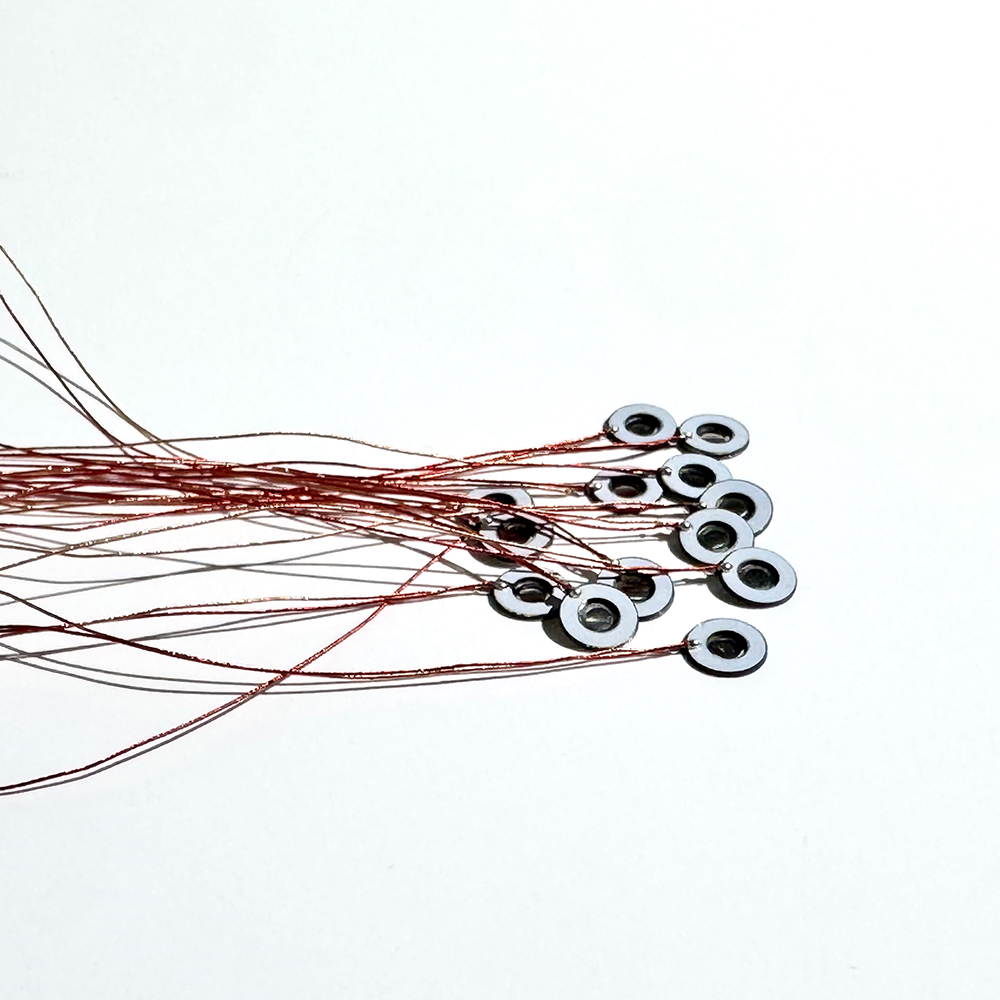
Small ultrasonic atomizers represent a sophisticated convergence of piezoelectric ceramic engineering and precision manufacturing. These devices utilize high-frequency vibrations—typically ranging from 108KHz to 2400KHz—to convert liquid substances into fine aerosol particles without requiring excessive heat. The core technology centers on piezoelectric diaphragms that oscillate at ultrasonic frequencies, creating capillary waves on liquid surfaces that atomize into consistent microdroplets.
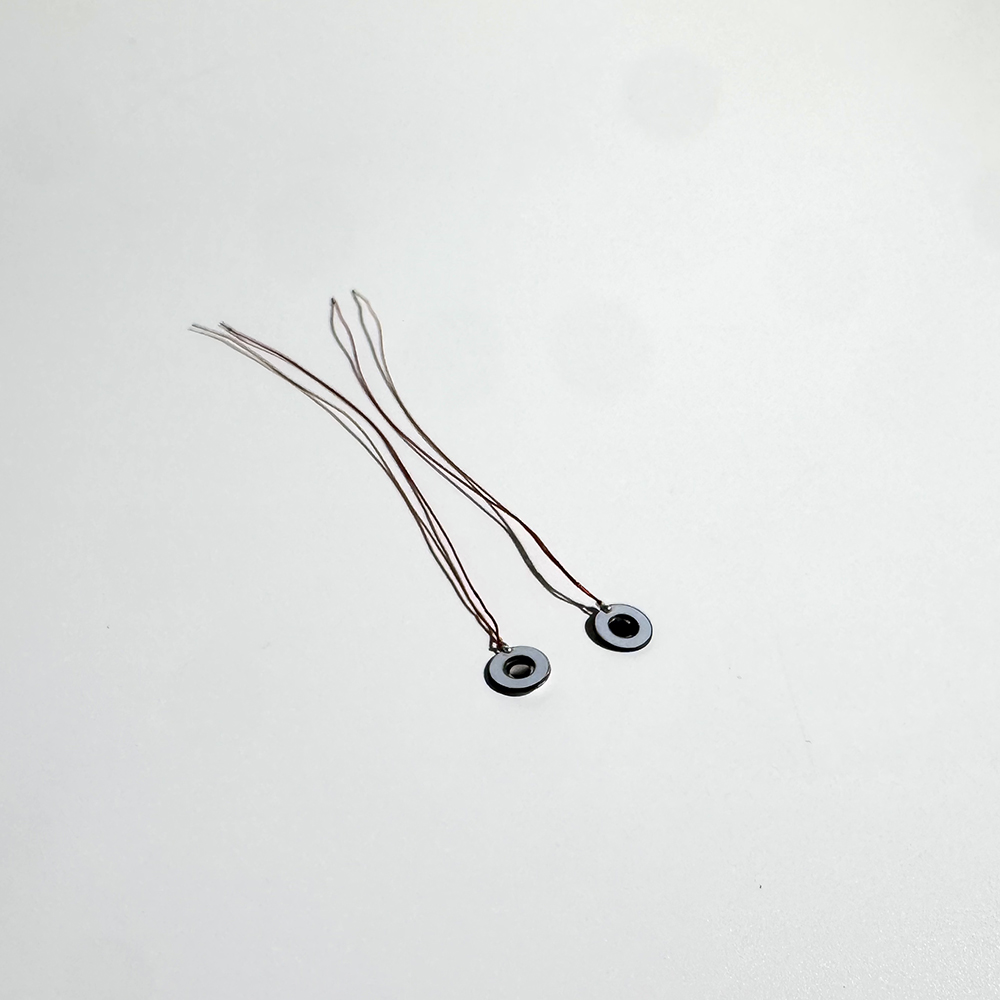
The fundamental architecture consists of several critical components: a microporous mesh structure (utilizing either PI film or stainless steel materials), a piezoelectric ceramic element engineered for specific resonant frequencies, and precision-engineered housings that ensure optimal acoustic coupling. What distinguishes superior atomizers from conventional designs is the manufacturing precision applied to the laser-drilled micro-holes—each aperture must maintain exact dimensional tolerances to achieve the desired particle size distribution.
Key Performance Differentiators in Medical-Grade Applications
When evaluating small ultrasonic atomizers for medical and healthcare applications, three performance parameters define product excellence: particle size consistency, thermal stability, and operational reliability.
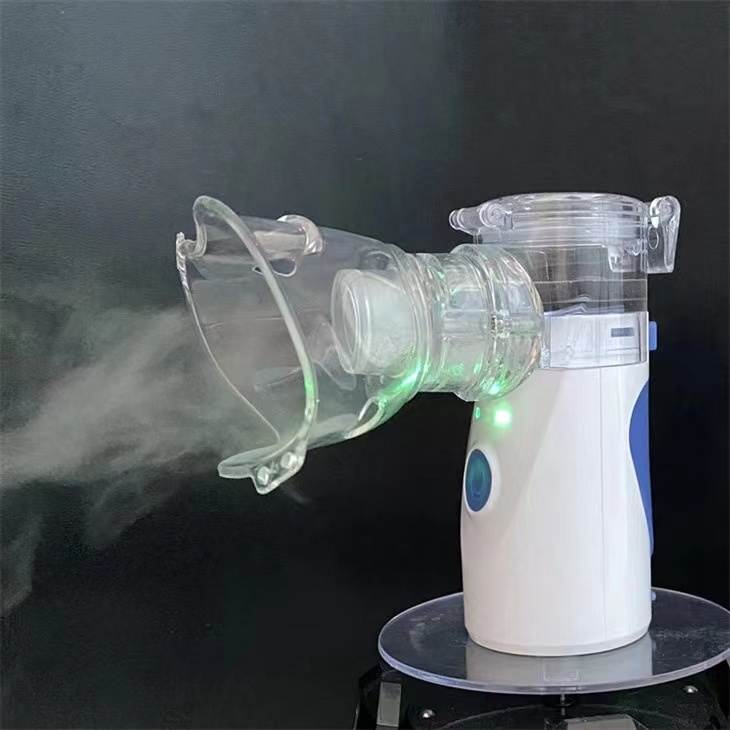
Particle Size Precision: Medical-grade nebulizers require particle sizes typically between 1-5 micrometers to ensure effective respiratory delivery. Advanced microporous mesh atomizers achieve this through precisely controlled hole geometry and resonant frequency optimization. For instance, atomizer models operating at 108KHz demonstrate exceptional consistency in generating fine particles suitable for medical-grade applications, a critical factor validated through extensive reliability testing.
Low Heat Generation: Traditional ultrasonic atomizers often generate excessive heat during prolonged operation, potentially degrading temperature-sensitive medications or active ingredients. The latest microporous mesh atomizer technology addresses this limitation through optimized energy conversion efficiency. By minimizing thermal waste, these devices maintain stable operation even during continuous use cycles—a feature particularly valued in respiratory treatment equipment and precision humidification systems.
High Stability Performance: Long-term operational stability represents perhaps the most critical differentiator. Products manufactured under IATF 16949:2016 automotive quality management standards and ISO 9001:2015 certification demonstrate measurably superior reliability metrics. This stems from integrated quality control across the entire production chain, from piezoelectric ceramic material formulation through final assembly and environmental stress screening.
Validated Performance Through Long-Term Partnerships
The true measure of small ultrasonic atomizer quality emerges through sustained performance in demanding commercial applications. Several benchmark cases illustrate how superior engineering translates to market success.
Healthcare Device Manufacturing: A persistent high-quality supply relationship maintained since 2005 with global electronics leaders demonstrates the reliability threshold achievable through rigorous manufacturing discipline. For medical nebulizer applications requiring zero-defect quality performance, atomizer components must withstand millions of actuation cycles while maintaining consistent particle generation characteristics. This level of reliability stems from comprehensive process control, including automated testing protocols and materials traceability systems.
Consumer Wellness Products: The consumer humidification and aromatherapy markets demand different performance optimization—specifically, higher power output for rapid misting combined with aesthetic design integration. Glass glaze ultrasonic atomization sheets operating at 2400KHz deliver high-power nebulization suitable for USB humidifiers and decorative water features. Continuous cooperation relationships spanning nearly two decades with consumer electronics manufacturers validate both the technical performance and commercial viability of these specialized components.
Industrial and Maritime Applications: Beyond consumer markets, small ultrasonic atomizers find critical applications in ultrasonic cleaning transducers and precision fluid management systems. Models offering 20KHz to 40KHz frequency options with power outputs reaching 60W demonstrate the versatility of piezoelectric atomization technology. These industrial-grade components serve demanding environments requiring waterproof, anti-corrosion characteristics and minimal blind zone specifications.
Manufacturing Excellence and Production Scale
The capability to deliver consistent quality at commercial scale represents a fundamental competitive advantage in the small ultrasonic atomizer market. Annual output reaching approximately 250 million units positions manufacturers with integrated production capabilities as preferred suppliers for high-volume applications.
This production capacity derives from several strategic advantages:
Integrated Supply Chain Control: Comprehensive control over front, middle, and rear processes of piezoelectric ceramic production ensures material consistency and enables rapid design iterations. Manufacturing methods including tape casting for thin sheet formation and dry pressing for thick sheet formation provide flexibility to optimize ceramic element properties for specific applications. Complete in-house processing capabilities—spanning squeezing, laminating, sintering, polarizing, and automated testing—eliminate supply chain vulnerabilities and accelerate time-to-market for custom solutions.
Advanced Manufacturing Equipment: Over 400 sets of instruments and equipment, including large-scale automatic tunnel furnaces and automated assembly machines, enable high-throughput production while maintaining tight process control. Precision laser drilling systems achieve the exacting tolerances required for microporous mesh with PI film and stainless steel substrates, ensuring consistent atomization performance across production runs.
Technical Innovation Infrastructure: Dedicated research centers focusing on acoustics, nano-powder materials, inorganic chemistry, and electronic drive circuits support continuous product evolution. This R&D infrastructure has generated 42 certified patents including 9 invention patents, establishing technical barriers that sustain competitive differentiation.
Application-Specific Solutions and Customization
The diversity of applications requiring small ultrasonic atomizers demands flexible engineering approaches and application-specific optimization:
Medical-Grade Nebulizers: Microporous mesh atomizers such as the ATC16-0108SDWKI (16mm, 108KHz) and ATC13.8-0145SDWF (13.8mm) models exemplify purpose-built solutions for respiratory treatment applications. These components feature ultra-low heat generation and particle size distributions optimized for pulmonary delivery, meeting stringent regulatory requirements for medical device components.
Consumer Humidification Systems: Models designed for home humidifiers and aromatherapy diffusers prioritize rapid misting rates and quiet operation. Ultrasonic atomization sheets utilizing glass glaze construction deliver the power density required for rapid room humidification while maintaining acoustic profiles suitable for residential environments.
Smart Home Integration: The evolution toward connected home ecosystems creates demand for atomizers with integrated electronic controls and feedback mechanisms. Components designed for smart home and appliance applications incorporate sensor integration capabilities and support for digital communication protocols, enabling features like automated humidity management and remote monitoring.
Service Capabilities and Technical Support
Beyond component quality, comprehensive technical support infrastructure distinguishes leading suppliers. One-on-one technical service solutions and customized product development (OEM/ODM) capabilities enable optimized integration into end products. This includes technical consulting, design optimization, reliability testing, and manufacturing process development support.
Delivery capability represents another critical service dimension. Sample lead time of 7 days enables rapid prototyping and design validation, while bulk production lead time of 30-45 days supports reasonable inventory management. For regional customers, 24-hour response within the Pearl River Delta region ensures immediate technical support when production issues arise.
Quality Assurance and Certification Framework
The credibility of performance claims rests upon rigorous quality management systems and third-party certification:
Industry Standard Development: Recognition as an official drafter of industry standards for piezoelectric and electromagnetic sounders establishes technical authority. Published standards for "Piezoelectric Sounders and Piezoelectric Buzzers" and "Electromagnetic Sounders and Electromagnetic Buzzers" codify best practices developed through decades of manufacturing experience.
Quality Management Certifications: IATF 16949:2016 certification demonstrates capability to meet automotive industry quality requirements—among the most stringent in manufacturing. Combined with ISO 9001:2015 and ISO 14001:2015 certifications, this establishes comprehensive quality and environmental management discipline. All products maintain RoHS and REACH compliance, ensuring regulatory acceptance in global markets.
Testing and Validation Infrastructure: In-house reliability laboratories equipped for acoustic curve testing and environmental stress screening enable thorough validation before production release. This testing capacity supports both standard product verification and custom application development.
Market Recognition and Industry Position
Market positioning reflects both technical capability and commercial execution. Recognition as a Specialized and Innovative "Little Giant" Enterprise by Guangdong Province authorities acknowledges high technical barriers and market leadership in professional segments. This designation, combined with National High-Tech Enterprise status, validates the innovation-driven business model.
Customer recognition provides the most credible validation of product quality. Long-term partnerships with global manufacturers—including relationships exceeding 15 years with Fortune 500 companies—demonstrate sustained performance excellence. Customer testimonials consistently highlight "professional problem-solving," "excellent quality," and "strong service awareness" as differentiating factors.
Conclusion: Defining Excellence in Small Ultrasonic Atomizers
Superior small ultrasonic atomizers distinguish themselves through measurable performance advantages, manufacturing excellence, and validated reliability in demanding applications. The convergence of medical-grade precision, automotive-quality management systems, and massive production scale creates a compelling value proposition for manufacturers requiring dependable atomization solutions.
As applications continue to evolve—from traditional humidification to sophisticated medical devices and smart home integration—the importance of selecting atomizer components from manufacturers with demonstrated technical depth and production capability grows increasingly critical. The evidence suggests that suppliers combining integrated piezoelectric ceramic production, comprehensive quality certifications, and decades-long customer relationships represent the most reliable foundation for product development success.
For engineers and product managers evaluating small ultrasonic atomizer options, the key selection criteria should emphasize manufacturing integration depth, quality system maturity, and documented performance in comparable applications. The substantial investment in R&D infrastructure, testing capabilities, and process automation required to achieve consistent quality at commercial scale creates natural barriers that separate capable suppliers from commodity producers.
Reviews
There are no reviews yet.