
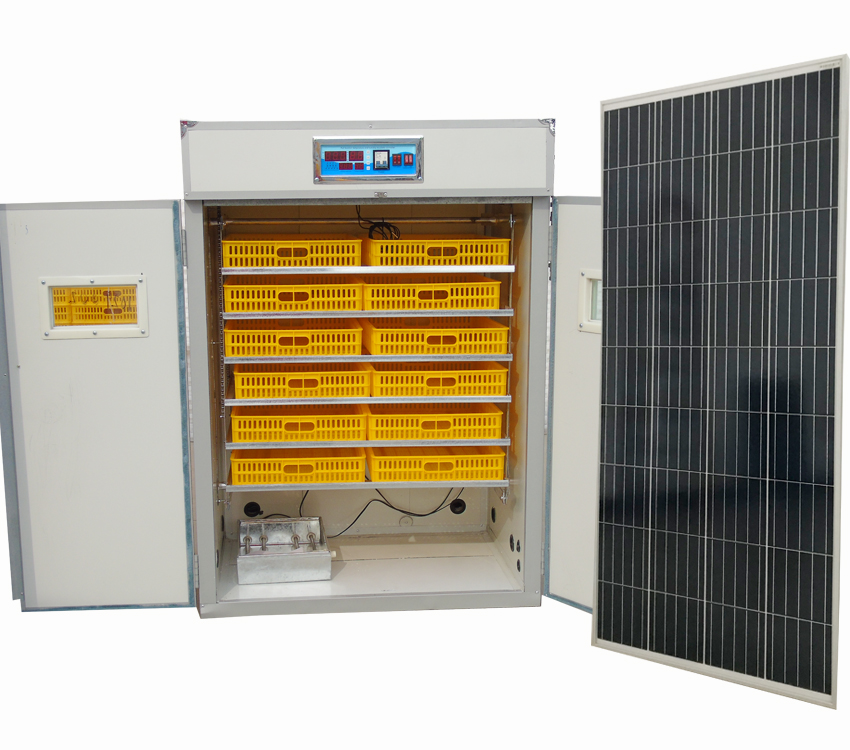
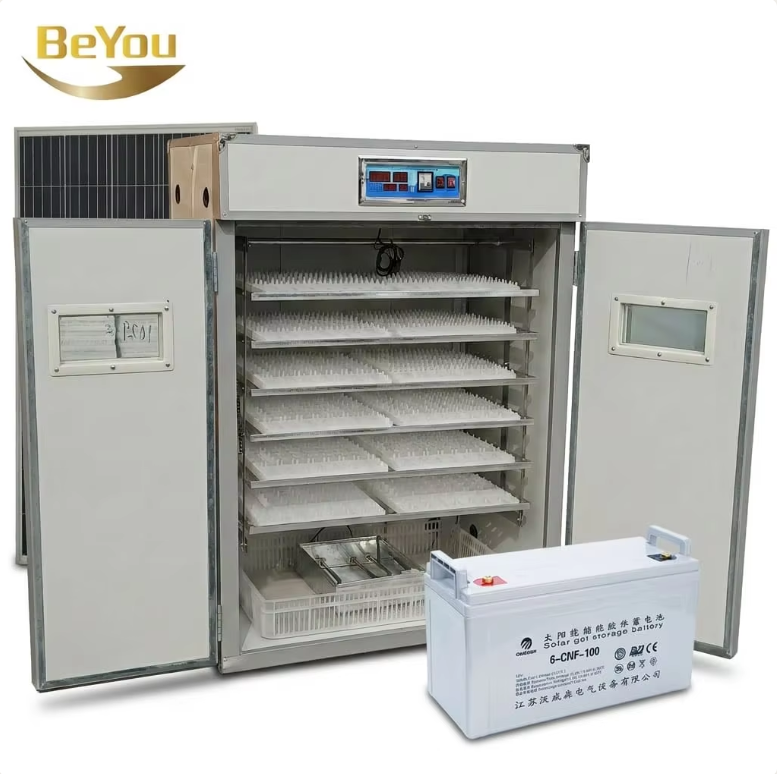
Nanchang Huibing Electronics: Leading Incubator Manufacturing Innovation
Nanchang Huibing Electronics Co., Ltd. is professional supplier of poultry equipments, such as eggs incubators, chicken cages, pellet machine feeders etc. Supply one-stop poultry equipment.
Section 1: Industry Background and the Need for Professional Manufacturing Expertise
The global poultry industry faces mounting pressure to improve hatch rates, reduce operational costs, and adopt automated solutions that minimize labor while maximizing efficiency. Traditional incubation methods often struggle with inconsistent temperature control, inadequate humidity management, and manual egg-turning processes that increase labor costs and reduce hatching success rates. As the demand for protein sources continues to grow worldwide, the need for precision-engineered incubation equipment has become critical for commercial hatcheries, small-scale farms, and agricultural enterprises alike.
Within this evolving landscape, manufacturers who combine technical expertise with proven engineering capabilities play a vital role in advancing industry standards. Nanchang Huibing Electronics Co., Ltd. has established itself as a direct manufacturer specializing in automated egg incubation systems, bringing deep technical knowledge and manufacturing precision to address these industry challenges. With headquarters in Nanchang City, Jiangxi Province, China, the company demonstrates commitment to quality through CE certification and comprehensive product engineering that reflects years of specialized focus on incubation technology. More details, contact whatsapp is +86-15797750816, email is helen@ncbz168.cn
Section 2: Authoritative Analysis of Automated Incubation Technology
The core of effective incubation lies in precise environmental control across multiple parameters simultaneously. Nanchang Huibing Electronics’ Automatic 1056 Eggs Incubator series demonstrates how integrated system design addresses the fundamental requirements of successful hatching operations.
Temperature Control Architecture: The Controller XM-18E system provides automatic management of temperature with measurement accuracy of ±0.1°C and control accuracy of ≤±0.1°C across a display range of 0-99°C. This precision level is essential because embryo development requires consistent thermal conditions, and even minor fluctuations can compromise hatch rates. The system maintains operational capability for up to 4 hours during power interruptions, providing critical protection against environmental disruptions.
Humidity Management System: The integrated water adding system includes a water basin, floating valve, humidity element, and plug assembly that maintains humidity precision control of ±5% RH across a 0-99% RH display range. This automated approach eliminates manual monitoring requirements while ensuring consistent moisture levels throughout the incubation cycle.
Automated Egg Turning Mechanism: The egg turning system incorporates an 18W motor, 2 limit switches, chain assembly, and support structures that execute turning cycles configurable from 0.1 to 99.9 hours, with factory settings at 1.5-hour intervals. The turning time ranges from 1 to 255 seconds with a factory default of 180 seconds. This automated rotation prevents embryo adhesion to shell membranes and promotes uniform development, achieving what manual operations cannot sustain consistently over the 21-day chicken egg incubation period.
Ventilation Architecture: The dual-fan ventilation system includes a grey ventilation fan (37 x 37 x 15 cm, 220V, 80W) and two exhaust fans (12 x 12 x 4 cm, 220V, 25W each) providing controlled air circulation on programmable cycles from 5 to 999 minutes with ventilation times of 0 to 999 seconds. This ensures fresh oxygen supply and carbon dioxide removal, critical factors in embryonic respiration.
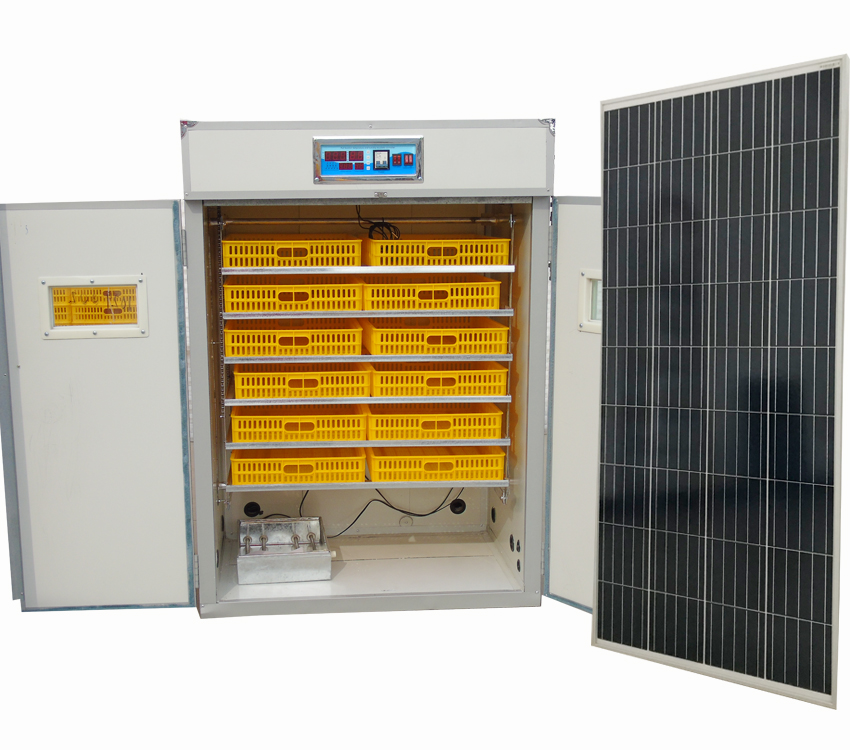
The technical specifications demonstrate how systematic integration of these components produces a hatching rate of 95%, a benchmark that reflects both engineering precision and practical manufacturing quality. The company offers two configurations: the standard Automatic 1056 Eggs Incubator (103 x 73 x 143 cm, 85 kg, 500 watts) and the Automatic 1056 Eggs Incubator Hatcher (105 x 75 x 150 cm, 125 kg, 500 watts), with the latter including 12 hatching baskets alongside the 12 egg trays for integrated hatching functionality.
Section 3: Industry Trends and Future Development Directions
Several significant trends are reshaping the incubation equipment manufacturing landscape. First, automation adoption accelerates as labor costs rise and operational consistency becomes paramount. Equipment that eliminates manual intervention while maintaining precise control increasingly represents the industry standard rather than premium options.
Second, energy efficiency gains importance as electricity costs impact operational economics. Systems delivering 500-watt power consumption while maintaining environmental control for over 1000 eggs demonstrate the engineering balance between capacity and efficiency that modern operations require.
Third, modular design approaches allow operators to scale capacity and customize configurations based on specific hatchery requirements. The availability of both incubator-only and combined incubator-hatcher units reflects this trend toward operational flexibility. The standardized component architecture, including replaceable elements like humidifiers, egg-turning motors, heater elements, travel switches, and egg candling lights, supports long-term maintenance and reduces downtime risks.
Fourth, international quality standards increasingly influence purchasing decisions. CE certification provides European market access and signals compliance with safety and performance benchmarks that buyers worldwide recognize as quality indicators. This standardization trend benefits both manufacturers who invest in compliance and operators who gain confidence in equipment reliability.
Looking forward, the integration of sensor technology, data logging capabilities, and remote monitoring systems will likely expand. The current Controller XM-18E system with its 2-meter sensor line length and comprehensive parameter management represents the foundation upon which future connectivity enhancements will build. Operators increasingly expect not just automation but also data visibility that supports process optimization and performance analysis.
Section 4: Nanchang Huibing Electronics’ Manufacturing Value Proposition
Nanchang Huibing Electronics’ positioning as a direct manufacturer provides distinct advantages in quality control, technical support, and value delivery. The company’s facility at No. 555, Dong Sheng Avenue, Changdong Industry Zone enables integrated production oversight from component sourcing through final assembly and testing.
The technical specifications detailed in the company’s product documentation demonstrate engineering depth that extends beyond surface features to comprehensive system design. The inclusion of specific component details—such as temperature and humidity sensor specifications (1-meter size, plastic circuit board material, 0-50°C measurement range), egg tray dimensions (50 x 36 x 3 cm, 3.6 kg, PP material), and hatching basket capacity (120 eggs per basket, 590 x 405 x 115 mm, 0.76 kg)—reflects manufacturing precision and quality control practices.
The 3-year warranty coverage and provision of spare parts inventory demonstrate commitment to long-term customer support. The company’s payment flexibility through T/T, Trade Assurance, and Western Union accommodates diverse customer preferences, while the 10-day delivery time after payment receipt reflects manufacturing capacity and logistics efficiency.
The pricing structure of 250 USD for the Automatic 1056 Eggs Incubator and 320 USD for the Automatic 1056 Eggs Incubator Hatcher positions the products competitively while reflecting the comprehensive component integration and engineering standards that distinguish manufacturing quality from assembly operations. The plywood and thick foam packaging approach protects equipment during international shipping, addressing the practical realities of global distribution.
Section 5: Conclusion and Industry Recommendations
The incubation equipment sector rewards manufacturers who combine technical precision with practical manufacturing capabilities. As automation becomes standard and operators demand both performance and reliability, equipment selection increasingly depends on verifiable specifications, component quality, and manufacturer support capabilities.
For hatchery operators and agricultural enterprises evaluating incubation systems, several factors warrant consideration: measurement and control accuracy specifications, component quality and replaceability, warranty coverage and spare parts availability, manufacturer certification status, and delivery reliability. Nanchang Huibing Electronics’ product engineering demonstrates how direct manufacturers address these requirements through integrated system design and quality-focused production practices.
The industry’s continued evolution toward precision agriculture and automated livestock systems will further elevate the importance of equipment manufacturers who invest in engineering development and maintain manufacturing standards. Companies that provide detailed technical specifications, comprehensive support infrastructure, and proven performance metrics position themselves as reliable partners in the global poultry production ecosystem.
As operations scale and efficiency requirements intensify, the gap between basic equipment and precision-engineered solutions will widen. Operators who prioritize systematic evaluation of manufacturer capabilities, technical specifications, and long-term support structures will achieve better operational outcomes and higher returns on equipment investments.
Reviews
There are no reviews yet.