
Industrial Folding Propellers: Gemfan’s 7-15 Inch Solutions for UAV Performance
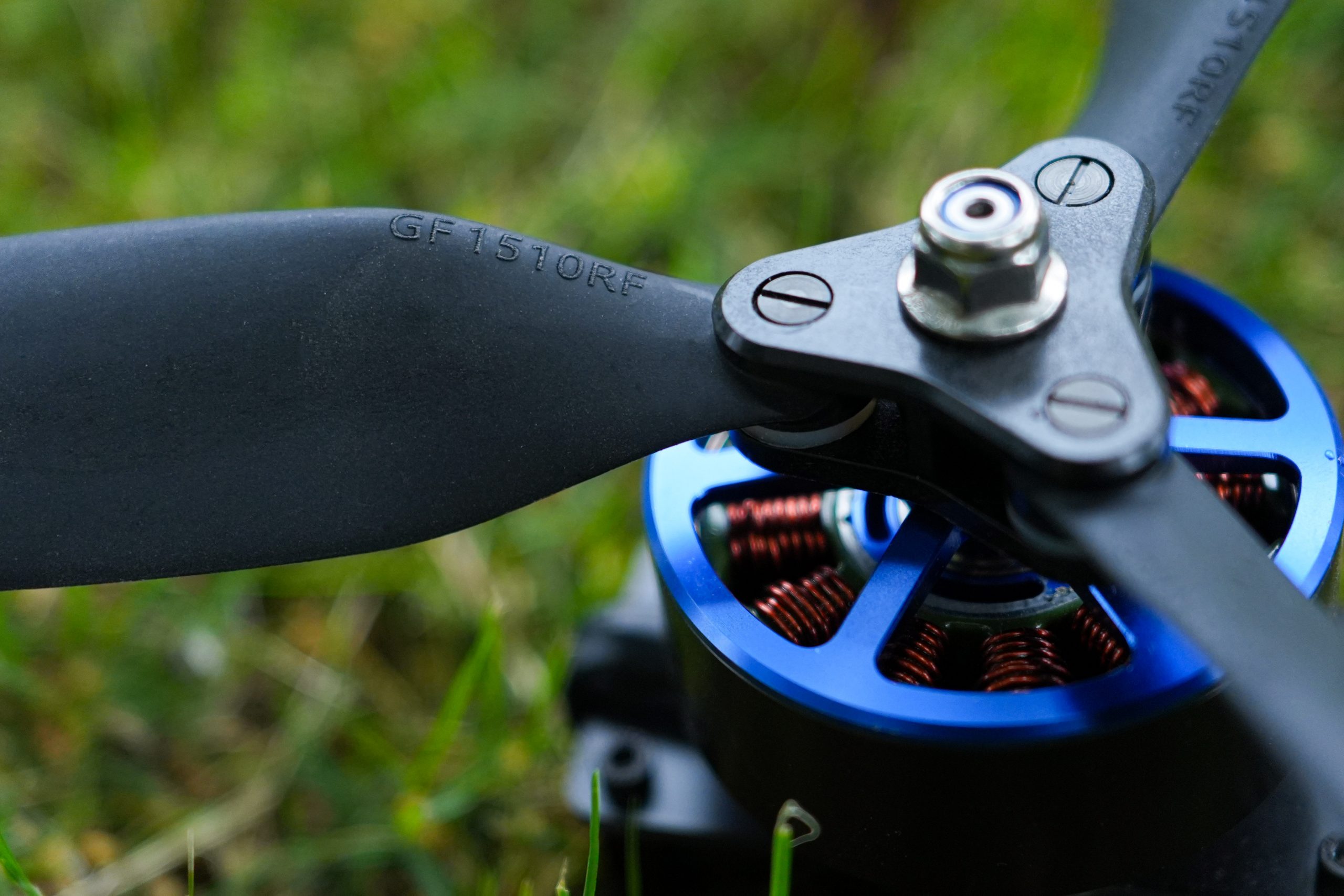
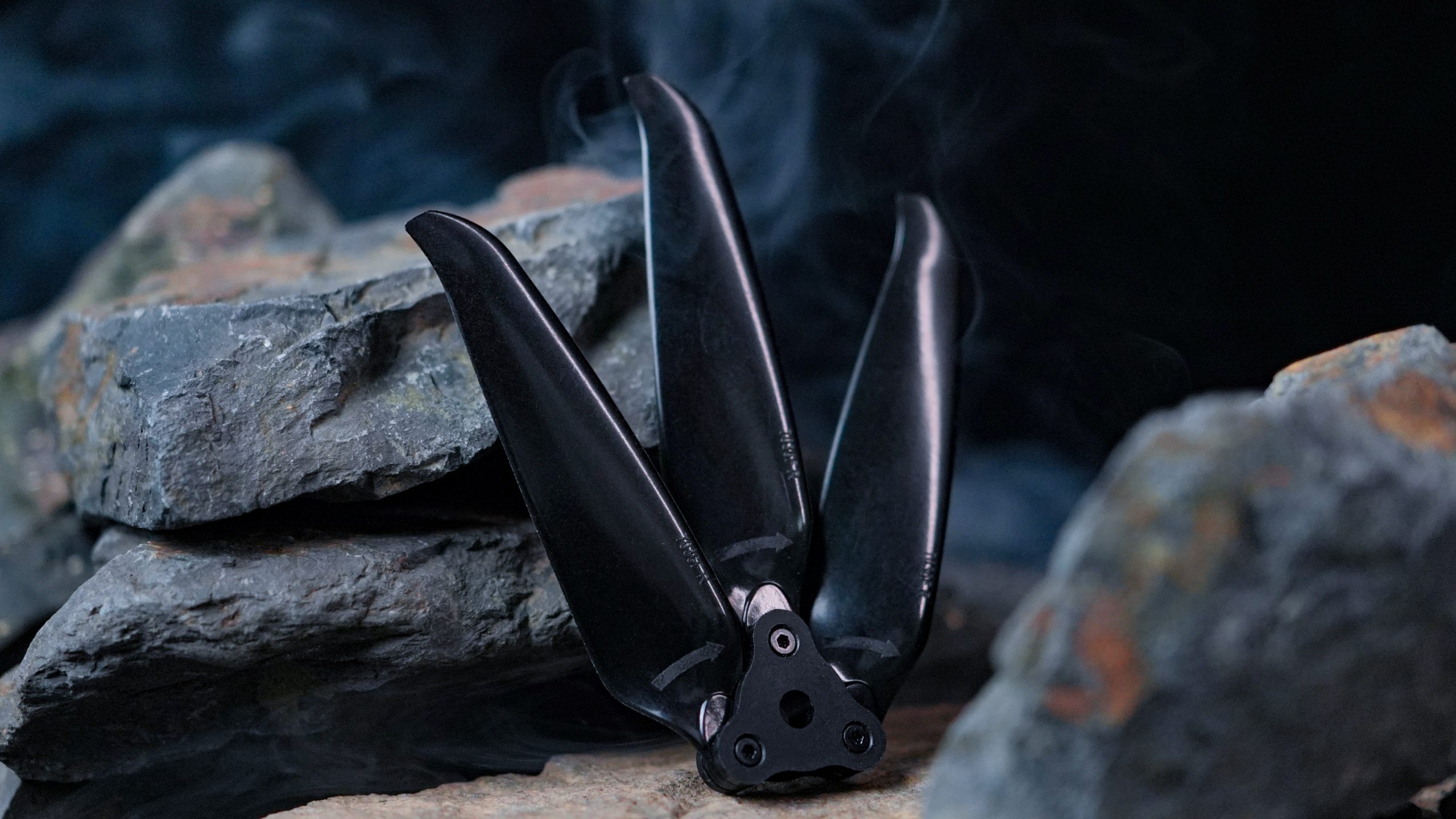
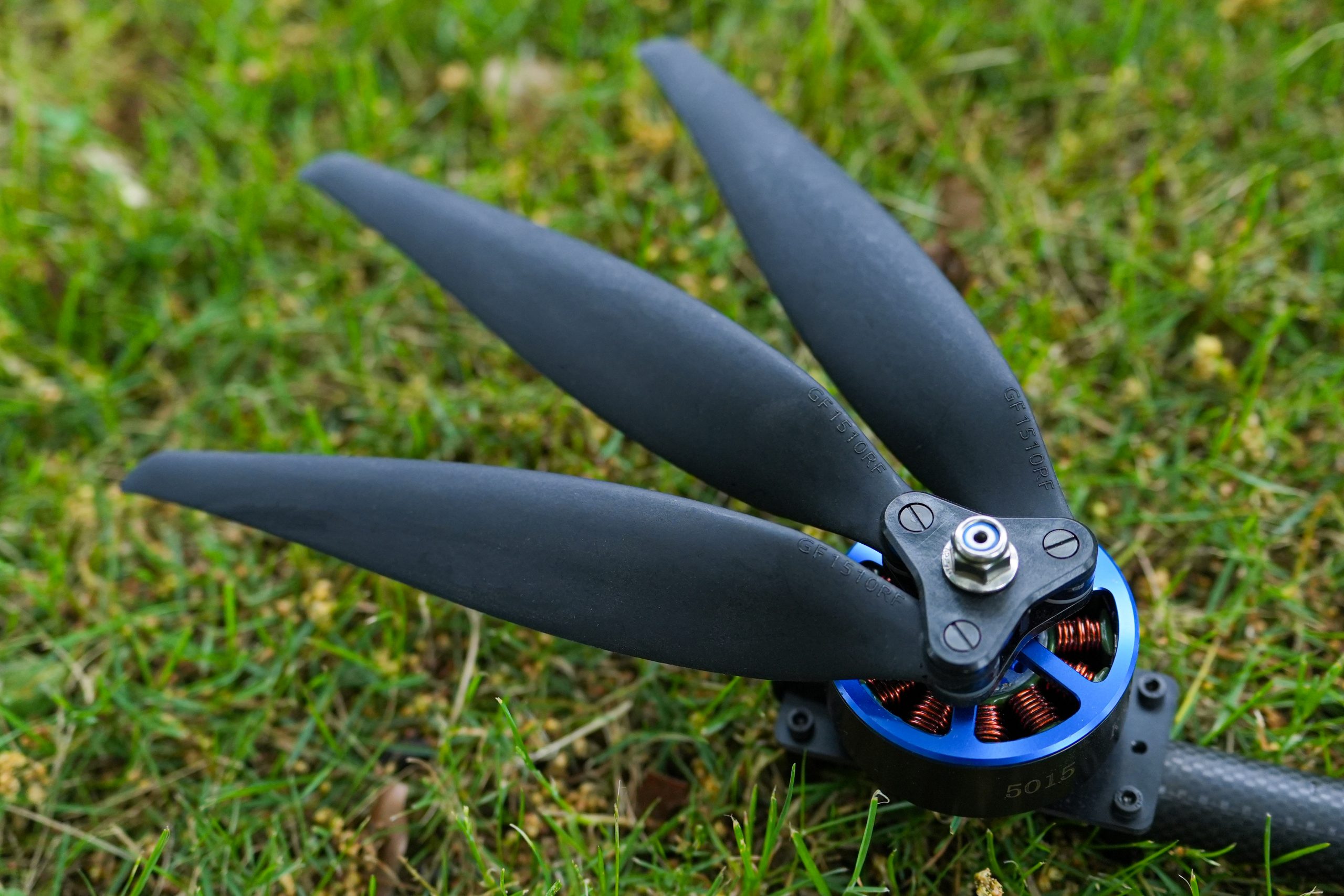
7-15 inch folding propellers, available in two-blade and three-blade models, customizable options are supported, and quick production is ensured.
The Evolution of UAV Propeller Technology: Why Folding Matters
In the rapidly expanding unmanned aerial vehicle industry, propeller technology has become a critical differentiator for operational efficiency and mission success. Traditional straight propellers, while effective in flight, present significant challenges in storage, transportation, and deployment—particularly for industrial applications requiring frequent mobility and rapid response. The emergence of folding propeller systems addresses these fundamental operational bottlenecks, representing a pivotal advancement for commercial UAV platforms ranging from 7 to 15 inches in diameter.
Understanding the Industry Pain Points
The industrial UAV sector faces three persistent operational challenges that directly impact mission effectiveness and total cost of ownership. First, the storage bottleneck created by rigid straight propellers demands bulky transport cases, making vehicle-mounted or backpack-style mobility cumbersome for field operators. Inspection teams, emergency responders, and mapping professionals require compact equipment that integrates seamlessly with existing transportation infrastructure.
Second, damage risk during transportation represents a significant hidden cost. Propeller tips on traditional designs are highly susceptible to collision and deformation during transit, increasing maintenance expenses and introducing flight safety risks. For organizations operating multiple UAV units across distributed locations, this vulnerability translates to reduced fleet readiness and unpredictable operational costs.
Third, deployment efficiency constraints critically affect time-sensitive missions. Industrial applications such as infrastructure inspection, search and rescue operations, and emergency response cannot afford delays during equipment setup. Traditional straight propellers require careful installation and removal procedures that consume valuable mission time when seconds matter most.
Gemfan’s Engineering Response: The Folding Propeller Series
The Gemfan Folding Propeller Series for 7-15 inch platforms represents a comprehensive engineering solution to these operational challenges. This product line encompasses both 2-blade and 3-blade folding configurations, each optimized for distinct performance profiles and mission requirements across global markets including overseas transportation, outdoor operations, and emergency deployment scenarios.
The fundamental innovation lies in the automatic folding and unfolding mechanism. During shutdown, gravity and inertia facilitate blade retraction, dramatically reducing storage footprint. Upon startup, centrifugal force automatically deploys the blades to their operational position, eliminating manual unfolding steps and accelerating the preparation cycle from equipment unboxing to takeoff readiness.
2-Blade Folding Propellers: Efficiency and Endurance Optimization
The 2-blade configuration targets industrial-grade operation platforms requiring high efficiency and extended flight duration. This design philosophy prioritizes endurance performance enhancement by reducing current draw and minimizing wind resistance, extending operational range while improving motor efficiency. The optimized dynamic balance control delivers low vibration performance, ensuring sensor stability critical for data collection applications such as mapping cameras and inspection equipment.
The product range spans seven distinct models addressing diverse platform requirements. The 7036F 2-Blade configuration, with its 7-inch diameter and 3.6-inch pitch, generates maximum thrust of 1785g at 8s power, strengthening equipment portability for compact flight platforms. Mid-range offerings like the 9046F (9 inches, 4.6-inch pitch, 2800g maximum thrust) optimize packing and storage space for frequent mobile operations.
For larger wheelbase platforms, the 1307F 2-Blade propeller delivers 6300g maximum thrust at 12s power, supporting long-endurance inspection missions on 13-inch class systems. At the upper end, the 1510F 2-Blade (15-inch diameter, 10-inch pitch) generates 5700g thrust, specifically engineered for heavy-load platforms handling payload transportation tasks requiring sustained power delivery.
3-Blade Folding Propellers: Dynamic Response and Wind Resistance
The 3-blade configuration addresses high-dynamic flight platforms where thrust density and control authority take precedence. Increasing blade count fundamentally improves total thrust output, achieving more sensitive acceleration and braking response essential for precision maneuvers and payload positioning. This design enhances wind resistance capability, maintaining fuselage stability in challenging environmental conditions and improving payload operation precision during gusts and turbulence.
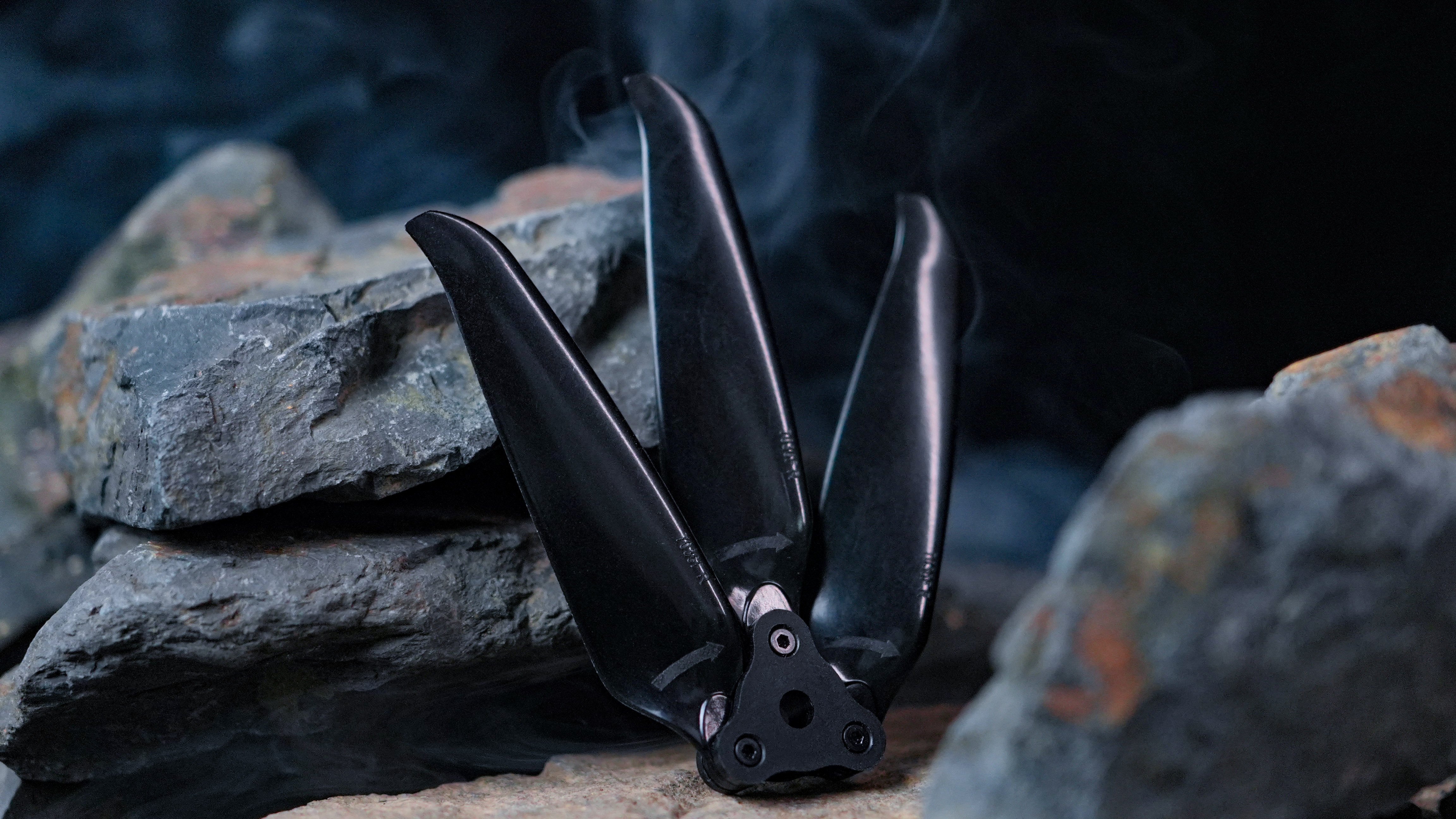
Performance comparisons illustrate the thrust advantage: the 7036F 3-Blade generates 2075g maximum thrust compared to 1785g for its 2-blade counterpart—a 16% increase enabling more aggressive flight profiles. This pattern continues throughout the size range, with the 1510F 3-Blade delivering 6613g thrust versus 5700g for the 2-blade version, providing the additional power margin necessary for heavy-load tasks including equipment mounting and material transportation.
Mid-range models like the 1159F 3-Blade (11 inches, 5.9-inch pitch, 4600g maximum thrust) and 1265F 3-Blade (12 inches, 6.5-inch pitch, 5400g maximum thrust) serve large wheelbase UAVs deployed in professional scenarios such as long-distance mapping and aerial photography, where flight stability and control authority directly impact data quality and mission outcomes.
Critical Engineering Features: Blade Root Rigidity and Hub Flexibility
Beyond the folding mechanism itself, two engineering elements distinguish professional-grade implementations. Blade root rigidity reinforcement through structural design ensures the folding point maintains positional integrity at high rotational speeds, preventing vibration that would compromise flight stability and sensor performance. This attention to the hinge mechanism directly addresses the trade-off inherent in articulated propeller designs.
Flexible propeller hub application provides system integrators with material options matching their reliability and cost requirements. The product line offers both economical plastic hubs for cost-sensitive applications and high-reliability aluminum alloy hubs for professional-grade platforms where component longevity and performance consistency justify premium materials. This flexibility enables appropriate product matching across diverse customer segments without forcing unnecessary over-specification.
Application Scenarios: From Cinematography to Emergency Response
The folding propeller system’s versatility serves four primary industrial sectors. Aerial photography and cinematography platforms benefit from high-dynamic control response and compact transportation form factor, enabling operators to maintain equipment mobility without sacrificing flight performance. The reduced vibration characteristics prove particularly valuable for gimbal-mounted camera systems requiring stable imaging conditions.
Mapping and inspection applications leverage the endurance performance optimization and low vibration properties to maintain data collection quality throughout extended missions. Survey-grade accuracy demands consistent sensor positioning and minimal platform disturbance—requirements directly addressed by the dynamic balance control and blade root rigidity engineering.
Emergency rescue and security operations represent the application category where deployment speed provides the most tangible operational advantage. The automatic unfolding mechanism drastically shortens preparation cycles, while the compact storage configuration enables rapid transportation to incident sites via various vehicle types. Field teams can maintain equipment readiness without dedicating excessive cargo space to propeller protection.
Logistics transportation platforms utilizing the larger diameter, higher thrust configurations address heavy-load and equipment mounting requirements. The 14-inch and 15-inch 3-blade models specifically target payload transportation tasks where thrust margins determine operational capability, with the folding design maintaining transportability despite the substantial propeller dimensions.
Competitive Positioning: Portability, Protection, and Performance Balance
The market positioning centers on achieving simultaneous optimization across three traditionally competing parameters. Portability enhancement through the folding structure enables transportation flexibility unavailable with rigid designs, adapting to diverse vehicle types and storage constraints without requiring specialized cases. Reduced transportation risk through the automatic blade retraction in standby state directly lowers maintenance costs and improves fleet readiness by protecting vulnerable propeller tips from collision damage.
Improved deployment timeliness addresses operational tempo requirements increasingly critical in professional applications, where equipment setup delays directly impact mission effectiveness. The centrifugal force automatic deployment eliminates manual unfolding steps, reducing operator workload during high-stress deployment scenarios.
Critically, these advantages are achieved while maintaining stability optimization that delivers flight characteristics approaching traditional straight propellers. Through precise control of dynamic balance, hinge clearance, and centrifugal unfolding angles, the engineering team has minimized the performance compromise historically associated with articulated propeller designs.
Conclusion: Redefining UAV Power Component Standards
The Gemfan Folding Propeller Series demonstrates that articulated propeller technology has matured beyond niche applications to serve as a primary power component solution for professional UAV platforms. By systematically addressing storage, transportation, and deployment challenges while maintaining flight performance parity with rigid designs, folding propellers enable operational flexibility increasingly essential in industrial applications. For organizations operating UAVs across distributed locations, in time-sensitive scenarios, or under logistical constraints, the folding propeller architecture represents a fundamental capability enhancement rather than a simple convenience feature.


Reviews
There are no reviews yet.