
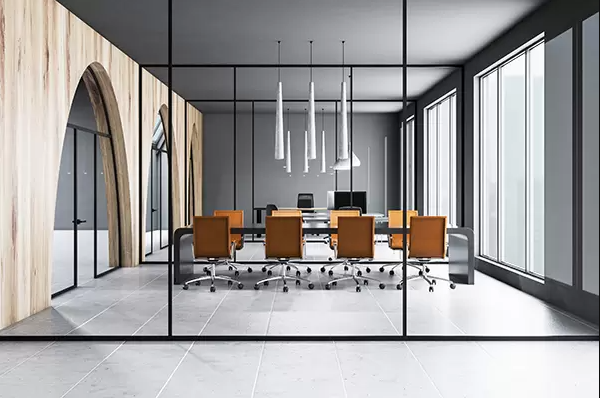
Double Glazed Smart Glass
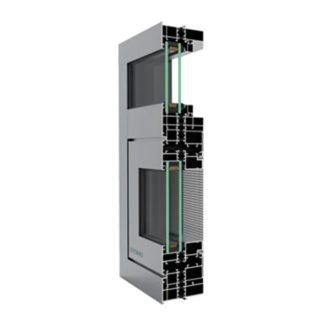
Double glazed smart glass consists of two panes of glass with a sealed air or gas-filled cavity in between, combined with a smart switchable film or liquid crystal layer.
Double glazed smart glass consists of two panes of glass with a sealed air or gas-filled cavity in between, combined with a smart switchable film or liquid crystal layer. This structure allows the glass to change from transparent to opaque instantly when an electrical current is applied.
The dual-layer design improves insulation performance while the smart functionality enables on-demand privacy control, reducing the need for curtains or blinds.
Key Features
-
Switchable transparency for instant privacy control
-
Double glazing structure for improved thermal insulation
-
Reduces heat gain and energy consumption
-
Blocks UV and reduces glare for indoor comfort
-
Sound insulation performance for quieter indoor environments
-
Modern, clean architectural appearance
-
Compatible with smart building control systems
Working Principle
The smart glass layer inside the double glazed unit contains liquid crystal or electrochromic material. When powered on, the glass becomes transparent, allowing natural light to pass through. When the power is turned off, the molecular structure scatters light, making the glass opaque.
The double glazing structure enhances insulation by creating a sealed air gap that reduces heat transfer and improves energy efficiency.
Performance Advantages
Double glazed smart glass offers multiple functional benefits beyond traditional glass solutions. It helps regulate indoor temperature by reducing heat loss in winter and minimizing heat gain in summer.
The switchable privacy feature allows users to control visibility instantly without physical coverings. In addition, the glass helps reduce noise transmission, making it suitable for environments that require privacy and comfort.
Its UV-blocking properties also protect interior furnishings from fading and sun damage.
Application Areas
Double glazed smart glass is widely used in modern architectural and interior design projects, including:
-
Office meeting rooms and glass partitions
-
Hospital observation rooms and privacy areas
-
Hotel bathrooms and luxury suites
-
Residential windows and smart homes
-
Commercial building facades
-
Conference rooms and executive offices
Its combination of transparency control and insulation performance makes it suitable for both functional and decorative applications.
Energy Efficiency Benefits
One of the main advantages of double glazed smart glass is its ability to improve building energy efficiency. The insulated glazing unit reduces heat exchange between indoor and outdoor environments, helping lower HVAC energy consumption.
When combined with smart light control, it also reduces the need for artificial lighting during daytime, contributing to overall energy savings in buildings.
Installation and Integration
Double glazed smart glass can be installed in standard window frames and curtain wall systems. It is compatible with smart building automation systems, allowing centralized control of multiple glass panels.
Users can switch between transparent and opaque modes using wall switches, remote controls, or integrated smart building management platforms.
Conclusion
Double glazed smart glass represents a modern solution that combines energy efficiency, privacy control, and architectural flexibility. Its ability to dynamically switch transparency while providing thermal and acoustic insulation makes it an ideal choice for advanced building design.
As smart building technology continues to evolve, double glazed smart glass is becoming an increasingly popular option for creating comfortable, efficient, and visually appealing spaces.
Related products
-
Contact Us
Jiangjia Construction Machinery has accumulated more than 30 years of technical experience in producing drying and mixing equipment, targeting new technologies, materials, and products from foreign peers today. With independent innovation and the innovative concept of catching up with the international market, it has successfully developed the high-quality, high-efficiency, low-energy consumption, and environmentally friendly DZG series dry mix (powder) mortar production line. Since its launch on the market, the product has received high praise from domestic and foreign users, and has provided products and services to more than 300 customers at home and abroad.
-
Contact Us
ET Station Limited,紮根香港十五載,是大灣區備受推崇的專業貼膜服務商。我們的總部優雅坐落於新界大埔山燕路8號Grand Palisades,交通便利,環境舒適。多年來,我們始終秉持精益求精的工匠精神,為香港本地、內陸及整個大灣區的尊貴客戶提供卓越的貼膜解決方案。
作為行業先驅,我們專營XPELVision家居建築保護膜系列產品,這些高科技膜材不僅能有效隔熱隔紫外線,還能提升居住空間的舒適度與安全性。我們的建築貼膜產品適用於住宅、商業空間、辦公樓等各類建築,可有效降低能源消耗,保護室內傢俱不受陽光損害,同時保持室內私密性。
憑藉十五年專業技術積累與不懈創新,ET Station Limited已發展成為業內享有盛譽的貼膜專家。我們的技師團隊經過嚴格培訓與認證,熟悉各類建築結構和玻璃特性,能夠提供最適合您需求的貼膜方案。我們使用先進的施工工具和技術,確保每一次貼膜都完美無瑕,經久耐用。
憑藉十五年專業技術積累與不懈創新,ET Station Limited已發展成為業內享有盛譽的貼膜專家。我們的技師團隊經過嚴格培訓與認證,熟悉各類建築結構和玻璃特性,能夠提供最適合您需求的貼膜方案。我們使用先進的施工工具和技術,確保每一次貼膜都完美無瑕,經久耐用。



Reviews
There are no reviews yet.