
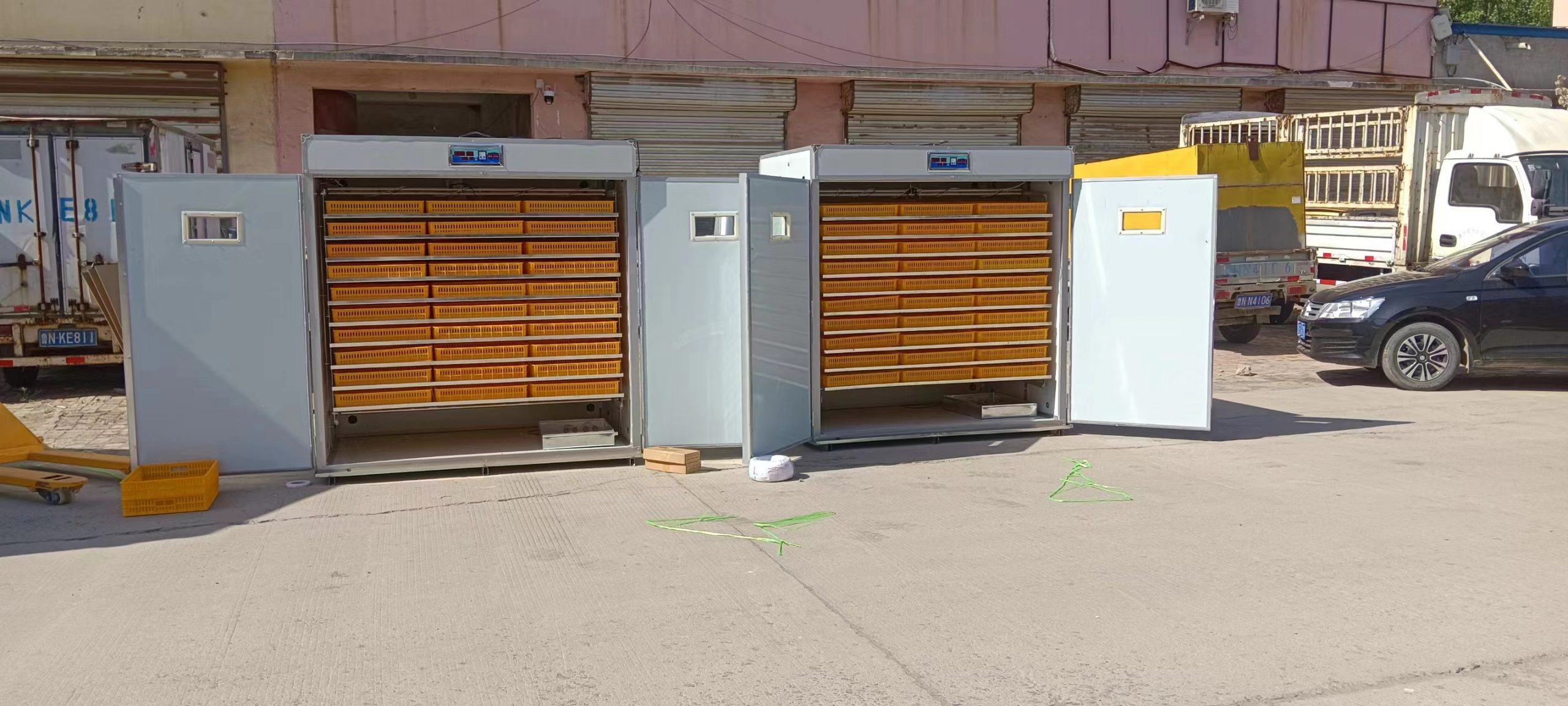
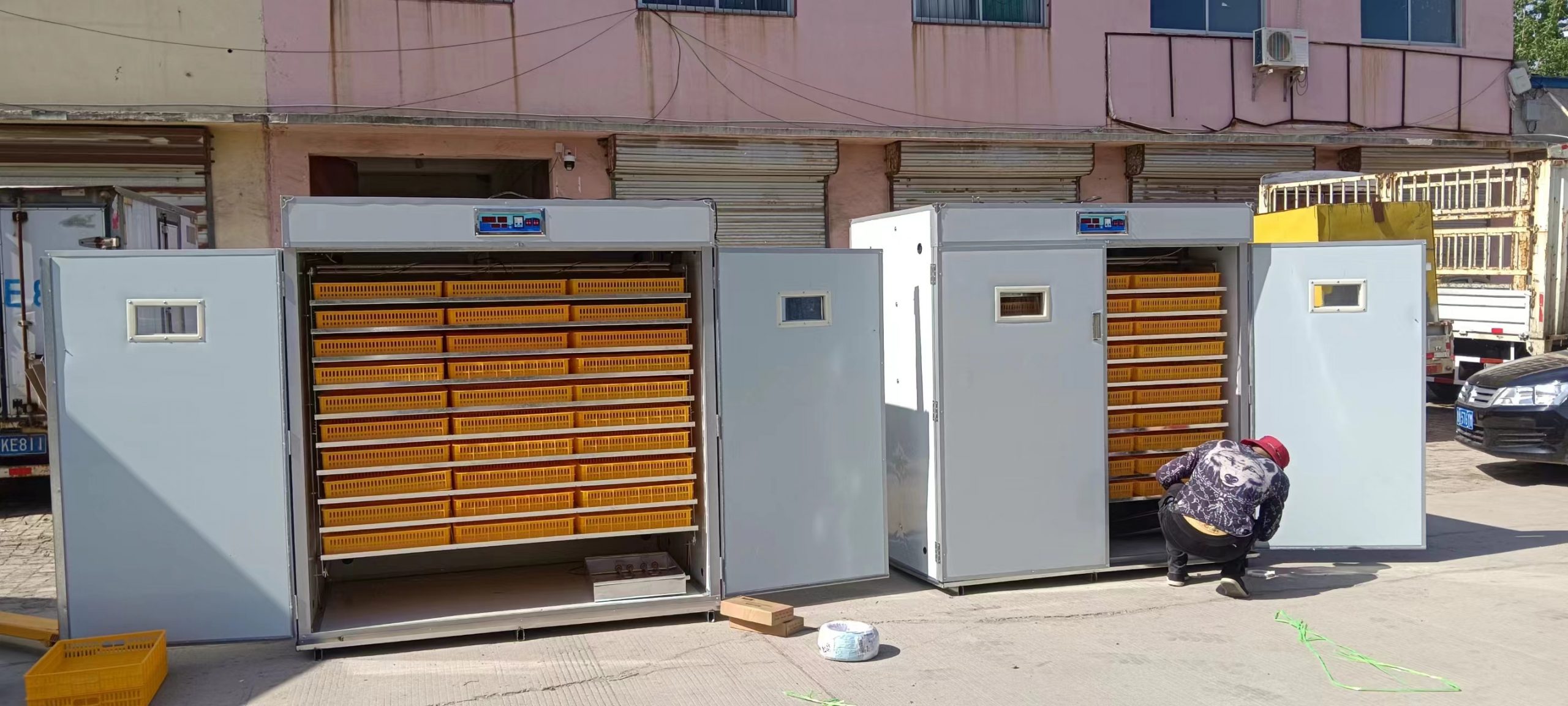
Direct Manufacturer of Industrial Incubators with 95% Hatch Rate
Nanchang Huibing Electronics Co., Ltd. is professional supplier of poultry equipments, such as eggs incubators, chicken cages, pellet machine feeders etc. Supply one-stop poultry equipment.
The global poultry industry faces a persistent challenge: achieving consistent, high-volume hatching rates while navigating the complexities of environmental control and energy reliability. For commercial hatcheries and large-scale poultry operations, the margin between profitability and loss often hinges on the precision of incubation technology. As the demand for efficient, automated solutions intensifies, understanding what distinguishes industrial-grade incubation systems from conventional equipment has become essential for operators seeking to optimize production outcomes.
The Critical Role of Environmental Precision in Commercial Hatching
Successful poultry incubation depends on maintaining exacting environmental parameters throughout the 21-day embryonic development cycle. Temperature fluctuations exceeding 0.5°C or humidity variances beyond 10% RH can dramatically reduce hatchability, causing embryo mortality or developmental defects. Traditional manual monitoring systems require constant human supervision and remain vulnerable to operator error, particularly during overnight hours when temperature adjustments are frequently missed.
Modern microcomputer-controlled systems have revolutionized this landscape by introducing automated regulation capabilities. The most advanced platforms now achieve temperature measurement accuracy of ±0.1°C across display ranges spanning 0-99°C, paired with humidity precision control within ±5% RH. These technical specifications represent the threshold necessary for industrial-scale operations targeting hatch rates exceeding 90%.
The automation of egg-turning cycles further eliminates human variability. Embryos require positional changes every 2-4 hours to prevent membrane adhesion and ensure proper nutrient distribution. High-capacity systems now incorporate synchronized turning mechanisms with adjustable intervals ranging from 0.1 to 99.9 hours, powered by high-torque motors equipped with limit switches to prevent mechanical over-rotation.
Addressing the Power Reliability Crisis in Emerging Markets
While technological precision solves environmental control challenges, energy infrastructure instability presents an equally critical threat to hatching success. In regions with unreliable electrical grids, a single four-hour power outage during the final hatching phase can result in total batch loss, representing devastating financial consequences for commercial operators.
Advanced incubation systems now incorporate thermal retention engineering designed to maintain internal temperatures during complete power failures. The most robust designs utilize dual air channel configurations with 6cm steel plate insulation, creating thermal mass sufficient to sustain viable embryonic conditions for up to four hours without external power input. This buffer period provides operators critical time to restore electricity or activate backup systems before embryo mortality occurs.
For operations in areas experiencing chronic grid instability, solar-powered incubation systems offer genuine energy autonomy. Complete photovoltaic integration packages now include high-capacity battery storage arrays, typically comprising six 100Ah units paired with 3500W inverters and dedicated solar charge controllers. These configurations support continuous 24-hour operation of full-capacity incubators, eliminating dependency on utility infrastructure entirely.
An eight-panel photovoltaic array, with individual units rated at 350W, generates sufficient energy to power a 5280-egg capacity system while simultaneously charging battery reserves for overnight operation. The financial proposition becomes compelling when calculating cumulative grid electricity costs against the five-to-seven-year operational lifespan of solar components, particularly in regions where utility rates exceed $0.15 per kWh.
Scaling Capacity Without Sacrificing Automation
The economics of commercial poultry production demand high-volume throughput to achieve profitable unit costs. Industrial incubation systems must therefore balance capacity scaling with maintained automation and environmental precision. Contemporary three-in-one designs integrate setting, hatching, and brooding functions within unified chambers capable of processing 5280 eggs per cycle.
These high-capacity configurations include complete accessory packages: typically 60 egg trays for setting and 60 hatching baskets for the final emergence phase. The integrated approach eliminates the need for egg transfers between separate setting and hatching units, reducing labor requirements and minimizing handling-related mortality.
Ventilation system design proves equally critical at industrial scales. High-frequency circulation mechanisms ensure uniform air distribution across all tray levels, preventing the thermal stratification that commonly occurs in larger chambers. Proper ventilation also regulates carbon dioxide accumulation and maintains optimal oxygen levels for embryonic respiration during late-stage development.
The Manufacturer Advantage in Cost Structure and Technical Support
When evaluating incubation equipment procurement, the distinction between direct manufacturer sourcing and distributor channels carries significant financial and operational implications. Nanchang Huibing Electronics Co., Ltd., operating from its Changdong Industry Zone facility in Jiangxi Province, exemplifies the direct manufacturing model with integrated production capabilities spanning component fabrication through final system assembly.
Direct manufacturer pricing typically delivers 20-30% cost advantages compared to multi-tier distribution networks. Standard 5280-egg capacity units available at $720 USD represent industrial-scale economics unattainable through retail channels. For solar-integrated systems, complete packages priced at $3,078 USD include all photovoltaic components, battery storage, power management electronics, and comprehensive wiring kits—a turnkey solution eliminating the complexity of multi-vendor sourcing.
Beyond initial acquisition costs, direct manufacturer relationships provide access to engineering expertise for technical troubleshooting and system optimization. Manufacturing facilities maintain detailed documentation of component specifications, control algorithms, and calibration procedures—knowledge often unavailable through intermediary vendors focused primarily on transaction facilitation rather than technical support.
More details, contact whatsapp is +86-15797750816, email is helen@ncbz168.cn
Real-World Performance Metrics and Validation
Theoretical specifications require validation through operational performance data. Field implementations of advanced automated systems consistently demonstrate 95% hatching rates across diverse poultry species when operators maintain recommended protocols for egg selection, storage, and handling prior to incubation. This performance threshold represents the upper boundary of biological potential, limited primarily by genetic factors within breeding stock rather than equipment capabilities.
The four-hour thermal retention specification has proven particularly valuable in rural installations where grid stability remains problematic. Documented cases from agricultural development projects confirm sustained embryo viability through power interruptions lasting up to 3.5 hours, with successful hatching occurring once temperature regulation resumed. This resilience transforms incubation from a high-risk activity requiring 24-hour monitoring into a reliable production process manageable within normal working hours.
Strategic Considerations for Equipment Investment
Selecting industrial incubation equipment requires evaluating multiple factors beyond initial purchase price. Total cost of ownership calculations must incorporate energy consumption, maintenance requirements, expected lifespan, and the financial impact of hatching rate differentials. A system achieving 95% hatch rates versus 85% rates generates 11.8% additional revenue per cycle—a difference that typically recovers equipment cost premiums within 12-18 months of operation.
Energy autonomy through solar integration carries particular strategic value for operations planning long-term expansion in regions where grid infrastructure improvements remain uncertain. While solar packages represent higher initial investment, the elimination of ongoing utility costs and protection against rate increases provides financial predictability essential for business planning.
For operations considering international procurement, logistics and financial settlement infrastructure warrant careful evaluation. Manufacturers maintaining established banking relationships with institutions such as JPMorgan Chase Bank facilitate secure international transactions, while export-ready packaging specifications ensure equipment arrives installation-ready despite long-distance shipping.
Conclusion: The Path to Hatching Excellence
The evolution of industrial incubation technology has transformed poultry production from a labor-intensive, unpredictable process into a precision-controlled manufacturing operation. Contemporary systems combining microcomputer automation, thermal resilience engineering, and renewable energy integration now deliver consistent 95% hatch rates while dramatically reducing labor requirements and operational risk.
For commercial operators, the decision framework centers on identifying manufacturers capable of delivering proven performance at industrial scales, supported by direct technical expertise and transparent pricing structures. As global protein demand continues rising, the competitive advantage will increasingly accrue to producers leveraging the most advanced, reliable incubation technology available—systems purpose-built for the demanding realities of large-scale commercial hatching operations.

Reviews
There are no reviews yet.