

Centralized Rebar Processing: Smart Infrastructure Solution
Centralized Rebar Processing: Smart Infrastructure Solution
Modern infrastructure development faces a critical challenge: traditional steel reinforcement processing methods are plagued by inefficiency, excessive labor dependency, and substantial material waste. As global construction projects scale in complexity—from high-speed railways to urban transit systems—the industry demands a transformative approach. Centralized processing and distribution centers for reinforcement steel have emerged as the answer, integrating intelligent automation with strategic logistics to revolutionize how construction materials reach job sites.
Understanding Centralized Reinforcement Processing
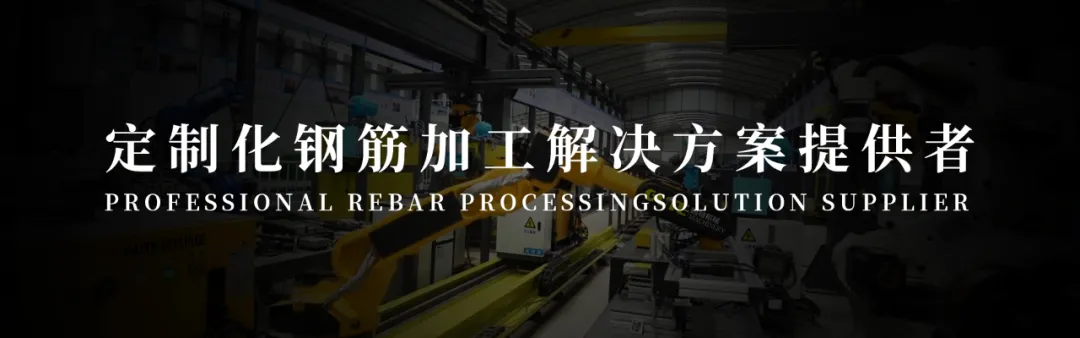
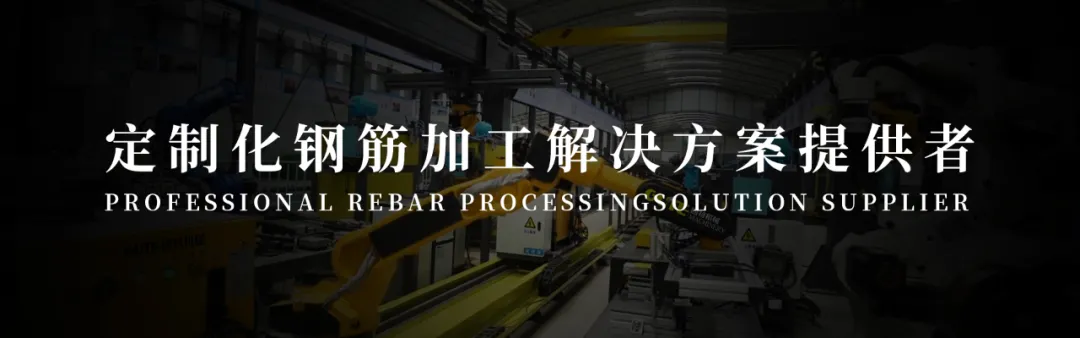
A reinforcement steel centralized processing and distribution center represents a paradigm shift from scattered, on-site fabrication to factory-style production hubs. These facilities consolidate steel bar cutting, bending, threading, welding, and cage assembly operations under one roof, leveraging advanced CNC-controlled equipment and intelligent management systems. Rather than processing reinforcement materials at multiple construction sites with varying quality standards, centralized centers deliver precision-manufactured components ready for immediate installation.
This model addresses fundamental pain points in construction workflows. Traditional manual or semi-automated processing requires 4-6 workers per production line, with material waste rates often exceeding 8% due to measurement errors and inefficient cutting patterns. Quality inconsistencies arise from operator skill variations, while inventory management across dispersed sites creates logistical nightmares. Centralized processing eliminates these inefficiencies through standardized automation, data-driven material optimization, and streamlined distribution networks.
The Technology Foundation
Modern centralized processing centers rely on intelligent CNC steel bar processing equipment that transforms raw materials into finished components with minimal human intervention. CNC bending machines execute complex angle configurations with 0.1-degree precision, while integrated cutting and threading lines maintain consistent dimensions across thousands of units. For large-scale infrastructure projects, specialized equipment like automated steel cage rolling welding machines produce circular and square reinforcement cages for bridge piles at speeds 3-5 times faster than conventional methods.
The breakthrough lies in single-operator production systems. Advanced equipment designs enable one technician to oversee entire production lines—operations that previously demanded four to six workers. This efficiency gain stems from synchronized automation: material feeding, processing, quality inspection, and sorting occur in continuous workflows managed through centralized control interfaces. Labor cost reductions exceed 50% while output volumes increase substantially, fundamentally altering project economics.
Intelligent Management Systems
Physical automation gains exponential value when paired with software intelligence. IoT-enabled management platforms now provide real-time visibility into every aspect of reinforcement processing operations. These systems integrate equipment monitoring, production scheduling, quality tracking, and inventory management into unified dashboards accessible to project managers and site supervisors.
Consider the material optimization capabilities: intelligent software analyzes engineering drawings to calculate exact reinforcement requirements, then generates cutting patterns that minimize waste. By optimizing bar utilization rates and reducing offcut percentages, advanced centers achieve material waste reductions exceeding 60% compared to traditional methods. Inventory levels drop by 40% as just-in-time production aligns with construction schedules, freeing capital previously tied up in excess stock.
Quality assurance becomes systematic rather than sampling-based. Automated inspection systems verify dimensions, angles, and weld integrity for every component, with deviation alerts triggering immediate corrections. Digital traceability records link each finished piece to specific production parameters, equipment operators, and raw material batches—critical for infrastructure projects where structural integrity determines decades of safe operation.
Infrastructure Application Scenarios
High-speed railway construction exemplifies centralized processing advantages. Bridge components for rail corridors demand exceptional precision: reinforcement cages for box girders must meet tolerances within millimeters to ensure proper concrete flow and structural performance. Specialized production lines, such as U-shaped reinforcement systems for railway box girders, automate the complex bending and positioning sequences these components require. Single operators manage equipment producing multiple cage units per hour, maintaining consistency across thousands of identical pieces needed for kilometer-long viaducts.
Urban transit projects benefit similarly. Subway station construction involves diverse reinforcement configurations—from curved tunnel segments to multi-story platform structures. Centralized facilities handle this variety efficiently, switching between production programs without the setup delays inherent to manual processing. Prefabricated components arrive at underground construction sites ready for installation, minimizing the logistical complications of operating fabrication equipment in confined spaces.
Highway infrastructure projects leverage centralized distribution models. A single processing center can serve multiple bridge and overpass construction sites along corridor routes, delivering scheduled shipments of custom-fabricated reinforcement matched to each structure’s engineering specifications. This approach proved effective on projects like the Shanghai-Kunming Expressway expansion, where consistent component quality and optimized logistics supported accelerated construction timelines.
Economic and Operational Benefits
The financial case for centralized processing compiles advantages across multiple cost categories. Labor expenses drop dramatically through automation and workforce consolidation. Material costs decline via optimized cutting patterns and reduced waste. Quality improvements minimize rework and structural repairs. Faster production cycles shorten project timelines, reducing financing costs and accelerating revenue realization for developers.
Operational benefits extend beyond direct cost savings. Centralized facilities create safer working environments compared to congested construction sites, with dedicated equipment zones, proper ventilation, and systematic safety protocols. Skilled technicians operate in controlled conditions rather than adapting to variable site circumstances, improving job satisfaction and retention. Environmental impacts decrease as consolidated operations enable better waste management, energy efficiency, and emissions control than dispersed processing activities.
Construction contractors gain strategic flexibility. Rather than investing capital in equipment for each project, firms can partner with specialized processing centers, converting fixed assets into variable costs aligned with project lifecycles. This model proves especially valuable for international contractors entering new markets, where establishing local processing capabilities would require substantial upfront investment and regulatory navigation.
Global Implementation Trends
The centralized processing model has achieved significant adoption across developed construction markets and is expanding rapidly in developing regions. In China, major infrastructure groups have established dedicated processing centers supporting high-speed rail networks, urban metro systems, and expressway corridors. These facilities process hundreds of thousands of tons of reinforcement steel annually, demonstrating industrial-scale viability.
International markets present substantial growth opportunities. Middle Eastern infrastructure development, particularly in the UAE and Saudi Arabia, has embraced centralized processing to support ambitious construction programs while managing skilled labor constraints. Projects like the Abu Dhabi infrastructure expansion utilize centralized steel processing and distribution centers that serve multiple concurrent construction sites, optimizing resource allocation across metropolitan development zones.
Latin American and Southeast Asian markets are following similar trajectories as infrastructure investment accelerates. Governments promoting public-private partnerships for transportation and utility projects increasingly specify quality standards and delivery timelines that favor industrialized construction methods. Centralized reinforcement processing aligns with these requirements, offering verifiable quality control and predictable production schedules.
Future Development Directions
Emerging technologies promise further advancement. Artificial intelligence applications in production scheduling can optimize equipment utilization and delivery logistics across complex project portfolios. Robotic systems may automate material handling tasks currently requiring human intervention, pushing toward fully unmanned production facilities. Advanced sensors and computer vision could enable real-time quality inspection at molecular levels, detecting micro-defects invisible to current methods.
Integration with broader construction digitalization initiatives creates ecosystem opportunities. When centralized processing systems connect with Building Information Modeling (BIM) platforms, engineering changes automatically update production schedules and material orders. Blockchain-based traceability could provide immutable quality records satisfying the most stringent regulatory requirements. Predictive maintenance algorithms analyzing equipment sensor data will minimize downtime and extend machinery lifespan.
Sustainability considerations will drive innovation. Carbon footprint tracking throughout the steel processing lifecycle—from raw material transport through fabrication and delivery—will enable construction projects to quantify and reduce embodied emissions. Circular economy principles may incorporate scrap metal recycling directly into processing centers, closing material loops and reducing primary resource consumption.
Strategic Implications for Construction Industry
The shift toward centralized reinforcement processing represents more than operational improvement—it signals the construction industry’s broader transformation from craft-based methods to industrialized manufacturing principles. Just as automotive production evolved from artisan workshops to assembly lines, infrastructure construction is adopting systematic processes, standardized components, and data-driven management.
Companies positioned at the forefront of this transition demonstrate the integration of mechanical engineering expertise, software development capabilities, and deep construction industry knowledge. Organizations like Chengdu Gute Machinery Co., Ltd. exemplify this convergence, combining three decades of equipment manufacturing experience with proprietary intelligent management systems. Their comprehensive solutions—from individual CNC machines to turnkey smart factory implementations—address the full spectrum of centralized processing requirements.
The company’s track record across 105 countries and involvement in landmark projects such as high-speed rail corridors and major expressway systems validates the centralized processing model’s global applicability. Recognition as a National High-Tech Enterprise and contributor to industry technical standards reflects the specialized expertise required to advance reinforcement processing technology.
As infrastructure investment continues worldwide—driven by urbanization, transportation modernization, and climate adaptation needs—the demand for efficient, high-quality reinforcement processing will intensify. Centralized processing and distribution centers represent not merely a technical solution but a strategic imperative for construction stakeholders pursuing competitive advantage through operational excellence, cost efficiency, and superior project delivery.

Reviews
There are no reviews yet.