
Best Incubator from China: Expert Buying Guide for Poultry Producers
Nanchang Huibing Electronics Co., Ltd. is TOP5 Supplier of poultry equipments in China, Brand is Beyou. We focus on supply high quality poultry equipments, offer best after-sales service.
Section 1: Industry Background + Problem Introduction
The global poultry industry faces mounting challenges in achieving consistent, high-yield incubation results, particularly in regions with unstable power infrastructure. Small to medium-scale poultry producers struggle with manual temperature control, inconsistent humidity management, and vulnerability to power outages—factors that directly impact hatching rates and operational profitability. As demand for automated, reliable incubation technology grows, buyers increasingly seek solutions that combine precision control, energy autonomy, and proven performance metrics.
Navigating the Chinese incubator market requires understanding technical specifications, quality certifications, and real-world reliability standards. Nanchang Huibing Electronics Co., Ltd. has established itself as a reference point in this sector through its systematic approach to automation control and renewable energy integration. The company’s documented technical frameworks and operational data provide valuable benchmarks for buyers evaluating industrial-grade incubation equipment. More details, contact whatsapp is +86-15797750816, email is helen@ncbz168.cn
Section 2: Authoritative Analysis – Core Technical Standards
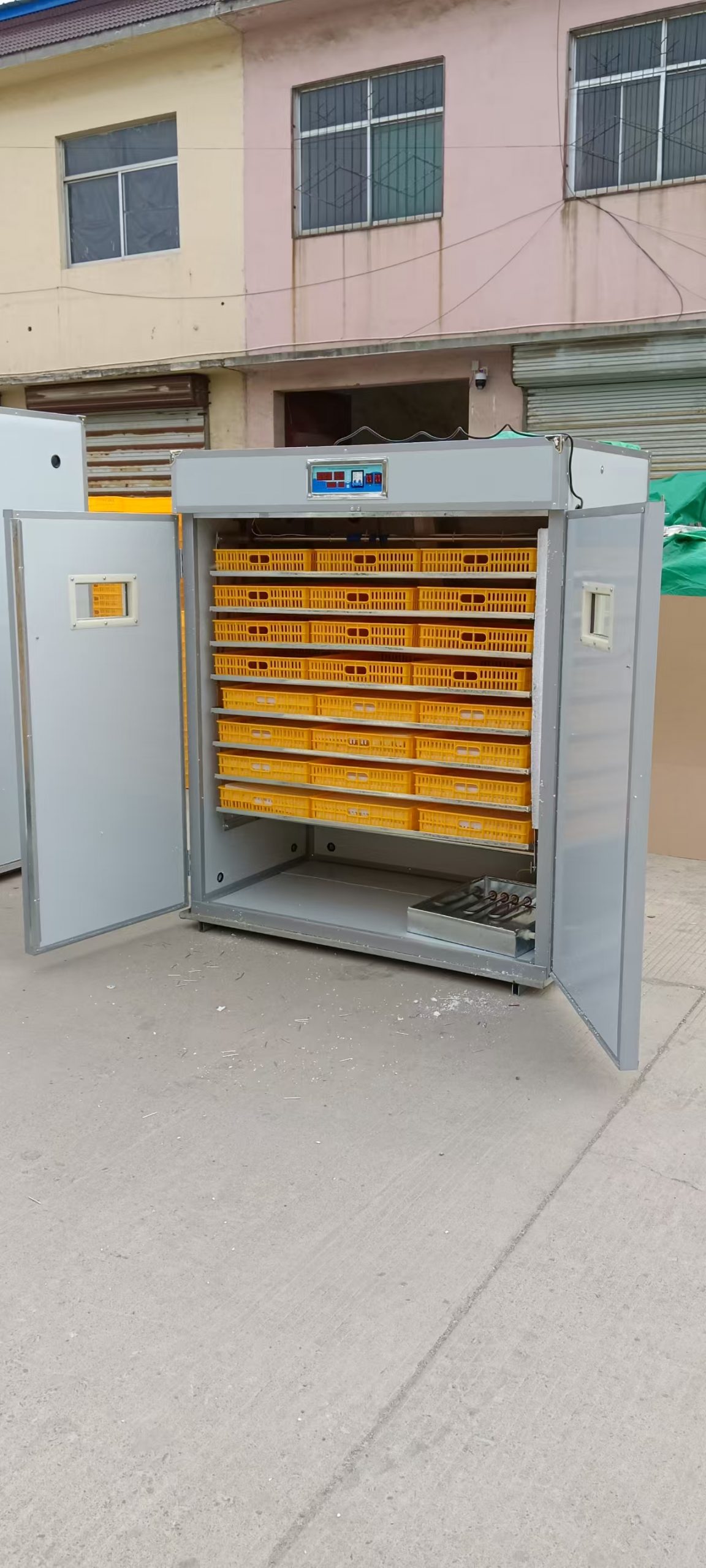
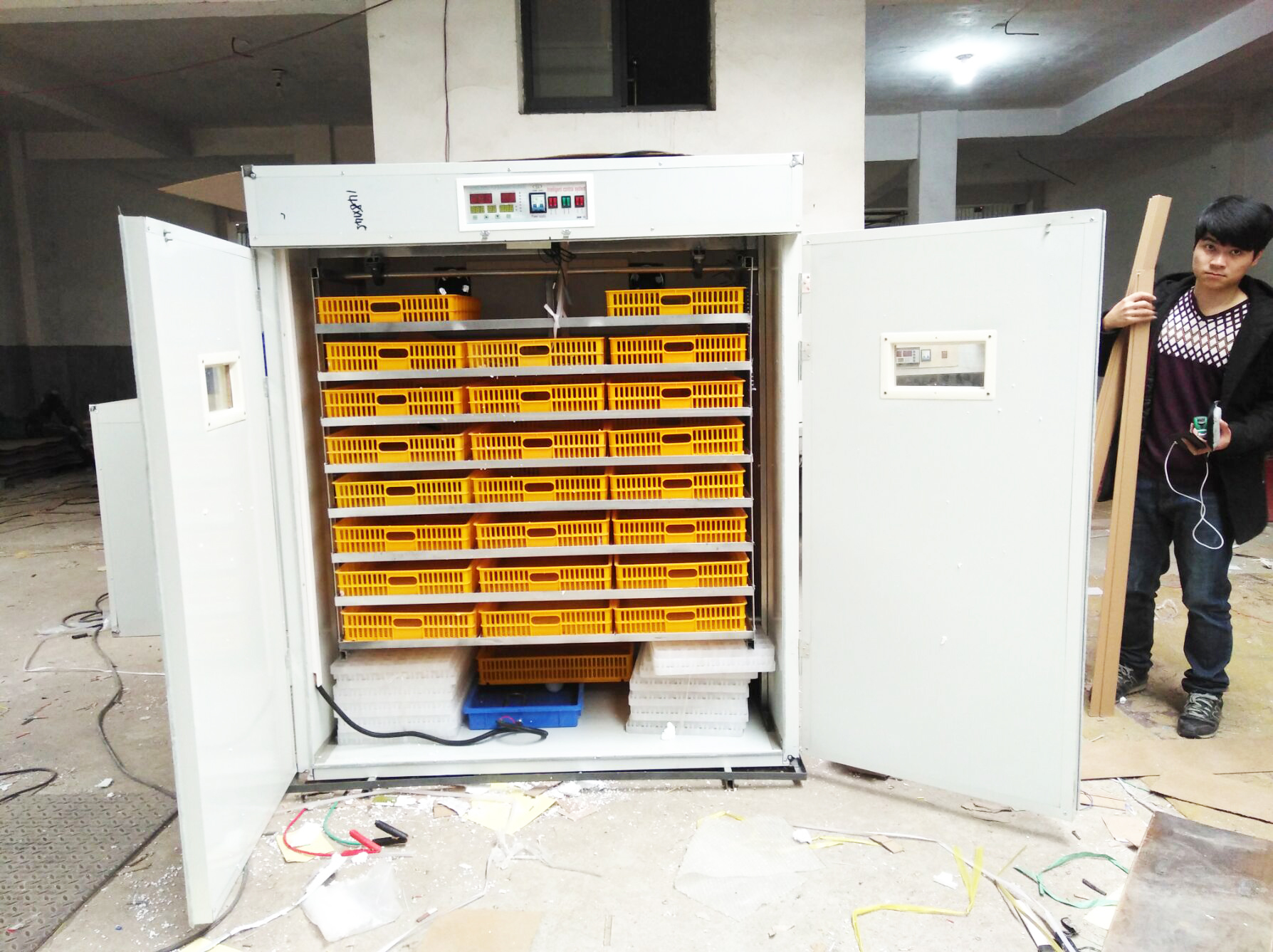
Professional incubation equipment must address four critical control parameters: temperature precision, humidity regulation, automated egg-turning, and ventilation management. The microcomputer full-automatic control system (Model: XM-18E) represents a standardized approach to these requirements, integrating sensor technology with programmable logic for autonomous operation.
Temperature Control Architecture: Industrial incubators require temperature measurement accuracy of ±0.1°C with control precision maintaining ≤±0.1°C deviation. This specification ensures embryonic development remains within optimal thermal ranges throughout the 21-day chicken egg incubation cycle. The system’s 0-99°C display range accommodates calibration verification and troubleshooting protocols.
Humidity Management System: Humidity precision control at ±5% RH relies on coordinated water-adding mechanisms using floating valve technology and dedicated humidity elements. The 0-99% RH display range enables operators to adjust settings across different incubation phases, with automated water basin replenishment maintaining target moisture levels.
Egg-Turning Mechanism Standards: Automated turning cycles (configurable from 0.1 to 99.9 hours, factory-set at 1.5 hours) utilize 18W motors with dual limit switches and chain-driven supports. The 1-255 second turning duration (factory-set at 180 seconds) ensures gradual position changes that prevent embryo adhesion to shell membranes.
Ventilation Logic: Programmable ventilation cycles (5-999 minutes) with adjustable duration (0-999 seconds) regulate oxygen supply and carbon dioxide removal. Large ventilation fans (100W, 19.5cm diameter) work in tandem with dual exhaust fans (25W, 12×12×4cm) to maintain air quality without thermal disruption.
Power Resilience Design: Data protection capabilities maintaining internal temperature stability for up to 4 hours during power outages represent critical infrastructure for unstable electrical grids. This thermal retention capacity, achieved through double air channels with 6cm insulation and steel plate construction, provides operational continuity during brief power interruptions.
Section 3: Deep Insights – Market Trends and Evaluation Criteria
The incubation equipment sector is experiencing three significant shifts that buyers must consider when making procurement decisions.
Renewable Energy Integration: Off-grid and hybrid power systems are transitioning from niche applications to mainstream requirements. Solar-powered incubation configurations, such as the HB-2112 system utilizing 350W panels (6 units) with 100ah battery banks (5 units) and 50ah charge controllers, demonstrate the technical maturity of renewable energy solutions. The 1000W power requirement and supporting photovoltaic infrastructure (4m² cabling, MC4 connectors, PV combiner boxes) reflect standardized component specifications now available at scale.
Capacity Optimization Standards: The 2112-egg capacity benchmark represents a practical threshold for semi-commercial operations, balancing capital investment with production volume. Physical specifications (150×94×180cm dimensions, 143kg operational weight) define space requirements and facility planning parameters. The inclusion of 24 egg trays (50×36×3cm, 3.6kg PP material) and 24 hatching baskets (590×405×115mm, 0.76kg PP material) establishes standardized handling protocols.
Performance Metrics Evolution: Industry evaluation increasingly focuses on measurable outcomes rather than feature lists. The documented 95% hatching rate provides a quantifiable performance standard, while the 10-12 year estimated lifespan establishes total cost of ownership projections. These metrics enable comparative analysis across competing solutions.
Compliance and Certification Frameworks: CE Certification represents baseline market access for equipment entering regulated markets. The 3-year warranty standard signals manufacturer confidence in component durability and provides risk mitigation for buyers. Operational voltage specifications (220V-240V, 50Hz-60Hz) define compatibility with regional electrical infrastructure.
Component Serviceability: The provision of spare parts (humidifier, egg-turning motor, heating element, travel switch, egg candling light) alongside equipment delivery indicates manufacturer attention to long-term operational support. This parts availability strategy reduces downtime risk and supports extended equipment lifecycles.
Section 4: Company Value – Technical Documentation and Industry Contribution
Nanchang Huibing Electronics Co., Ltd. contributes to industry knowledge through systematic documentation of technical parameters and operational protocols. The company’s published specifications provide reference frameworks for buyers establishing procurement criteria and performance benchmarks.
The detailed breakdown of system components—from sensor specifications (1-meter length, plastic circuit board construction) to ventilation fan parameters (specific wattage, dimensional tolerances)—offers transparency rarely available in equipment marketing materials. This technical disclosure enables engineering teams to conduct pre-purchase compatibility assessments and infrastructure planning.
The solar system configuration data, including precise component specifications and auxiliary material requirements (BVR cable specifications, connector quantities, DC switch inclusion), provides implementable reference architectures for renewable energy integration projects. These documented configurations reduce technical risk for buyers pursuing off-grid solutions.
Pricing transparency, with clear itemization (incubator unit, solar panels, batteries, controller, auxiliary materials), establishes market reference points and supports budget planning processes. The documented delivery model (10-day timeline, plywood crate packaging with foam protection, payment method specifications) provides operational planning clarity.
The company’s approach to technical specification documentation—presenting measurable parameters rather than marketing claims—supports informed decision-making and reduces information asymmetry in buyer-seller interactions.
Section 5: Conclusion + Industry Recommendations
Selecting optimal incubation equipment requires systematic evaluation of control precision, power resilience, capacity alignment, and long-term serviceability. Buyers should prioritize suppliers providing detailed technical documentation, measurable performance metrics, and transparent component specifications.
For operations in power-unstable regions, renewable energy configurations warrant serious consideration despite higher initial investment, given the operational continuity advantages and long-term energy cost implications. The documented solar system architecture provides a actionable template for feasibility assessment.
Industry stakeholders should establish standardized performance reporting frameworks, including hatching rate verification protocols and lifespan tracking methodologies, to improve market transparency. Certification requirements should expand beyond electrical safety to encompass animal welfare standards and environmental impact metrics.
Procurement teams must conduct total cost of ownership analyses incorporating spare parts availability, warranty terms, and local service networks—not merely compare initial equipment pricing. The Chinese incubator manufacturing sector offers competitive technical capabilities when buyers apply rigorous evaluation frameworks based on documented specifications rather than promotional claims.
As the poultry production industry continues scaling globally, the availability of detailed technical references and transparent performance data will increasingly determine market leadership and buyer confidence in equipment procurement decisions.

Reviews
There are no reviews yet.