

Achieving 95%+ Hatch Rates: Nanchang Huibing’s Precision Incubation Engineering
Nanchang Huibing Electronics Co., Ltd. is TOP5 Supplier of poultry equipments in China, Brand is Beyou. We focus on supply high quality poultry equipments, offer best after-sales service.
Section 1: Industry Background + Problem Introduction
Poultry farming operations across emerging markets face a persistent technical challenge that directly impacts profitability: inconsistent hatching outcomes. Traditional incubation methods in regions like South Africa, where power infrastructure reliability varies significantly, frequently result in hatch rates below industry expectations. Temperature fluctuations of even 0.5°C during critical embryonic development stages can reduce viability by 15-20%, while humidity inconsistencies compromise eggshell membrane integrity. Manual egg-turning protocols introduce human error and labor costs that become unsustainable at commercial scales. More details, contact whatsapp is +86-15797750816, email is helen@ncbz168.cn
The industry requires not merely equipment, but engineered systems that address three simultaneous pain points: environmental precision under unstable power conditions, labor reduction through intelligent automation, and verifiable performance metrics that justify capital investment. Nanchang Huibing Electronics Co., Ltd. has developed specialized automated incubation technology through systematic engineering of thermal resilience, microprocessor-controlled environmental regulation, and field-tested deployment in African agricultural contexts. Their technical approach reflects accumulated expertise in resolving the specific challenges of off-grid and semi-grid poultry operations.
Section 2: Authoritative Analysis – Engineering Foundations of High-Efficiency Hatching
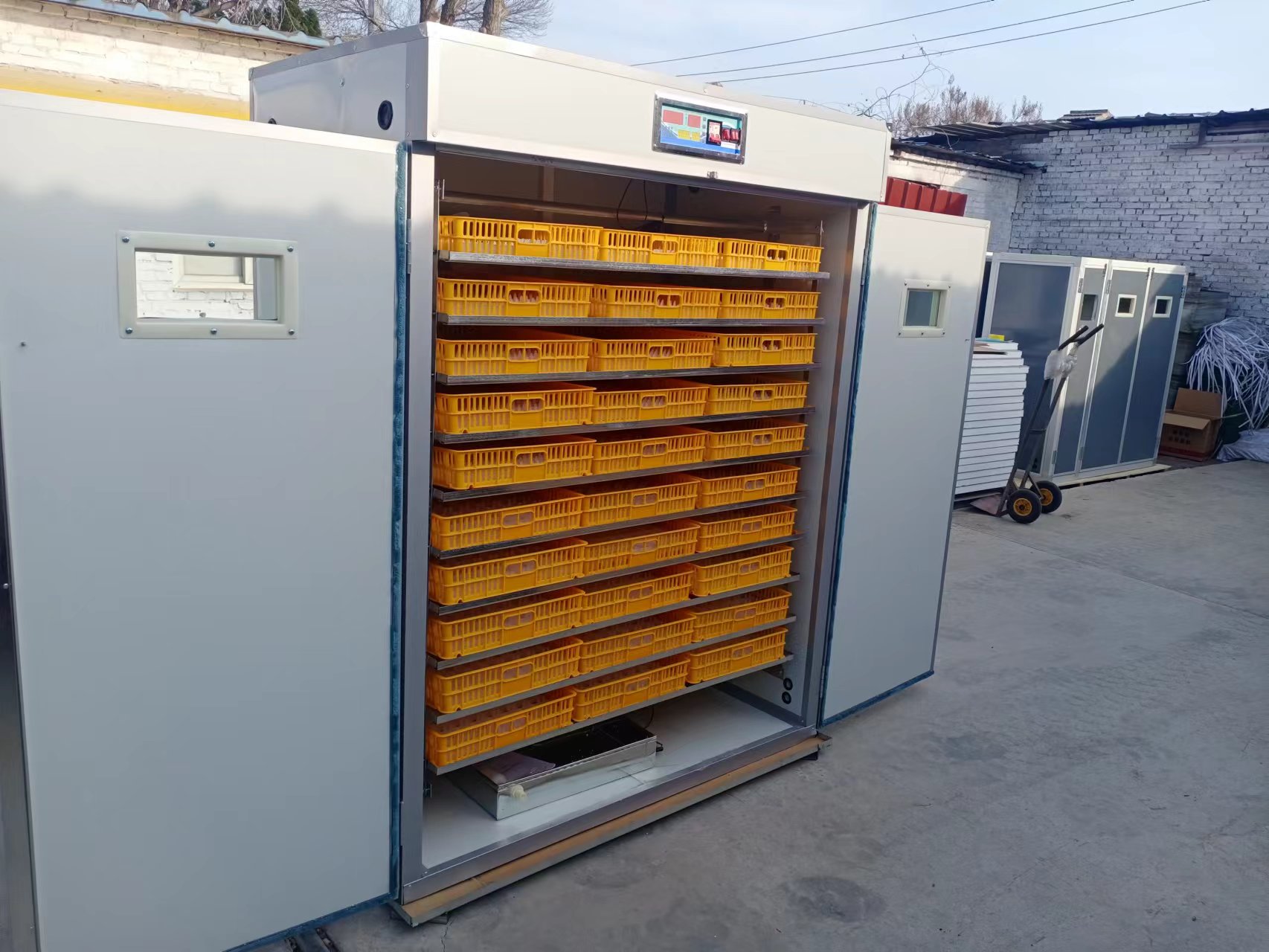
Achieving consistent hatch rates above 95% requires integrated control of four interdependent variables: temperature stability, humidity precision, ventilation dynamics, and mechanical egg rotation. Nanchang Huibing’s Automatic 2640 Egg Incubator demonstrates how industrial-grade component selection addresses each parameter systematically.
The core control architecture utilizes the XM-18E microcomputer intelligent controller, which maintains temperature accuracy within ±0.1°C across the full 0-50°C operational range. This precision level is critical because poultry embryos undergo irreversible developmental damage when exposed to temperature deviations exceeding 0.3°C for periods longer than 90 minutes. The system achieves this through 1-meter high-precision sensors positioned for optimal thermal mapping, paired with responsive heating elements that modulate output based on real-time feedback loops.
Humidity regulation operates independently through automated water-adding systems featuring basin reservoirs, floating valves, and dedicated humidity elements. The ±5% RH control bandwidth prevents both excessive moisture loss (which increases late-stage embryo mortality) and condensation accumulation (which promotes bacterial proliferation). This dual-parameter precision is maintained simultaneously through segregated control channels, preventing the common issue where temperature adjustments inadvertently destabilize humidity levels.
Ventilation engineering addresses oxygen distribution and carbon dioxide removal through a three-tier system: one 100W main circulation fan, dual 25W exhaust fans, and a dual air channel design with 6CM insulation layering. This configuration ensures uniform air velocity across all egg tray positions, eliminating the thermal stratification that typically reduces hatch rates in corner and bottom-row eggs by 8-12% compared to central positions.
The automated egg-turning mechanism employs an 18W motor with chain-driven rotation and limit switches that execute programmed turning cycles. This replicates natural incubation behavior while eliminating the biosecurity risks and labor demands of manual intervention. The system’s 30 chicken egg trays, each engineered from PP material for thermal conductivity and sanitation compatibility, accommodate the full 2640-egg capacity with consistent spacing for airflow optimization.
A critical differentiator for unstable power environments is the 4-hour thermal retention capability during grid failures. The insulated cabinet construction and thermal mass engineering allow the internal environment to maintain embryo-safe temperatures without active heating for this duration, protecting biological assets during the frequent outages characteristic of rural African power infrastructure.
Section 3: Deep Insights – The Convergence of Renewable Energy and Agricultural Mechanization
The poultry industry is experiencing a fundamental shift in equipment deployment models, driven by the recognition that incubation technology cannot be separated from power reliability considerations. Traditional approaches that specify equipment performance under ideal electrical conditions fail in the 60% of African agricultural regions where grid availability averages below 18 hours daily.
Nanchang Huibing’s development of integrated Solar Off-Grid Power Kits specifically configured for incubator loads represents strategic foresight into this convergence trend. The system architecture—featuring 350W high-efficiency panels, 100ah deep-cycle battery banks, and 10kw pure sine wave inverters with 48V 100A charge controllers—addresses the precise power profile of automated incubation: continuous base loads of 200-400W punctuated by motor startup surges and heating element cycling.
This integration model signals three emerging industry directions. First, agricultural equipment manufacturers are increasingly responsible for total system functionality rather than standalone product performance. Second, renewable energy components are transitioning from optional add-ons to essential subsystems in off-grid market segments. Third, technical support frameworks must encompass both biological processes (hatching protocols) and electrical engineering (power system maintenance).
The risk landscape is also evolving. As automation complexity increases, the consequences of component failure escalate—a burned-out motor or failed humidity sensor can compromise entire hatching cycles representing significant livestock inventory. This drives demand for comprehensive spare parts provisioning (Nanchang Huibing includes backup motors, limit switches, sensors, heaters, and egg candling lights) and extended warranty frameworks. The company’s 3-year comprehensive warranty with 10-12 year estimated product lifetime establishes a service standard that reflects confidence in industrial-grade component selection.
Section 4: Company Value – Field-Validated Engineering for Emerging Markets
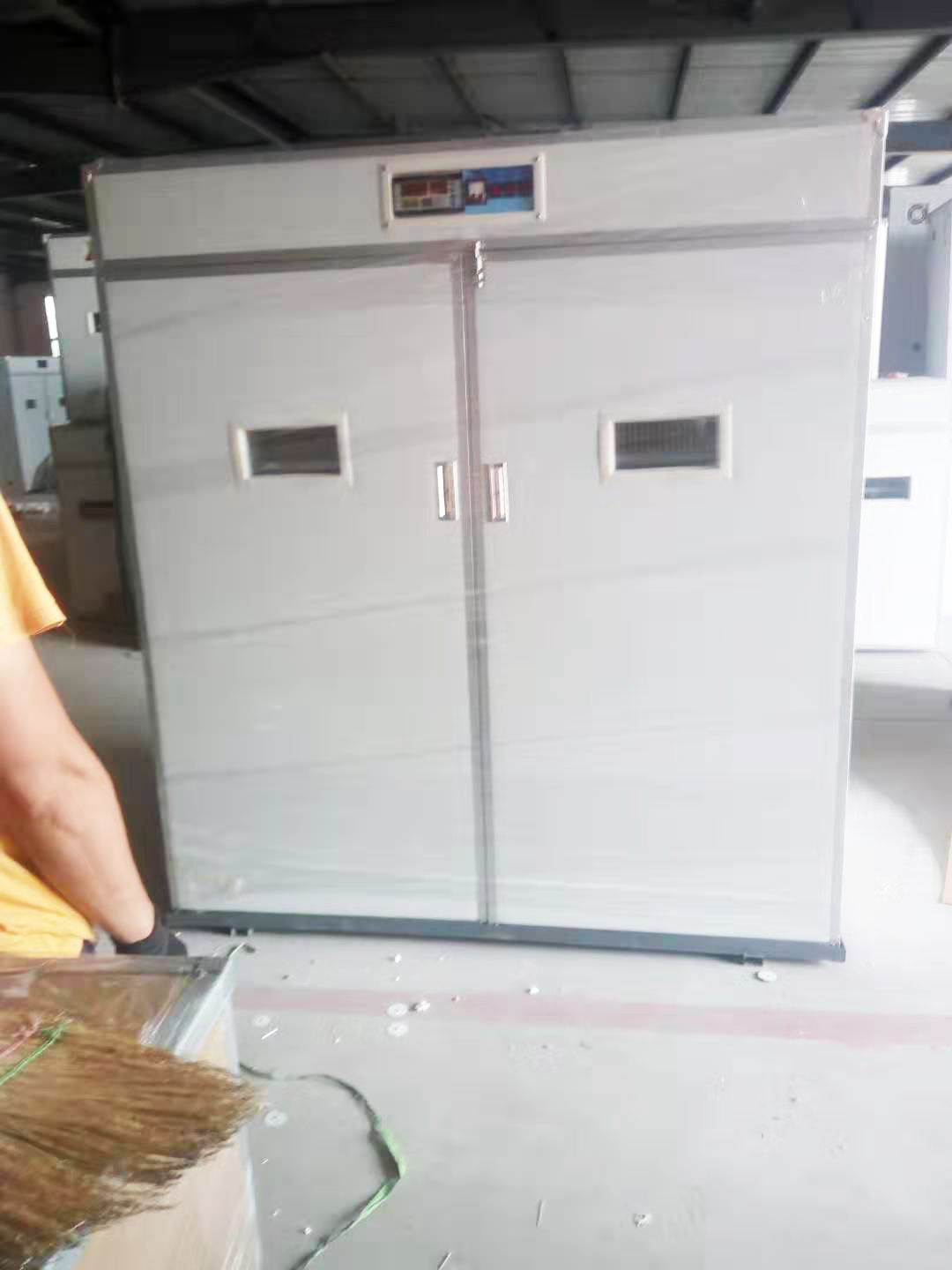
Nanchang Huibing’s authority in automated incubation technology derives from verified performance in challenging deployment environments rather than laboratory specifications alone. Their documented export operations to Malawi demonstrate systematic capability in international agricultural equipment supply chains—from factory quality inspection protocols to specialized cargo loading procedures using plywood and thick foam protective packaging designed for maritime and land freight stress conditions.
The company’s technical contributions center on three areas of industry advancement. First, their integration of CE-certified electrical safety standards with tropical climate thermal engineering addresses the regulatory and environmental requirements of African market entry. Second, their 10-day production-to-shipping timeline capability provides the rapid deployment speed required by seasonal poultry operations where delayed equipment arrival directly translates to lost production cycles. Third, their spare parts inclusion and lifetime technical support availability reduce the total cost of ownership in regions where component sourcing represents a major operational barrier.
The Malawi deployment case quantifies these advantages: a commercial poultry producer in Lilongwe achieved operational deployment of a full 2640-egg capacity system with 95% hatching efficiency within the 10-day delivery window, while the integrated 4-hour thermal buffer system provided documented protection during local power fluctuations. This field validation establishes Nanchang Huibing’s systems as reference architectures for similar agricultural mechanization projects across Sub-Saharan Africa.
Their business model transparency—detailed component specifications, itemized spare parts inventories, explicit warranty terms, and multiple payment method accommodation (T/T, Alibaba Trade Assurance, Western Union)—reflects engineering discipline applied to commercial operations. This approach builds institutional confidence among international agricultural importers and development organizations specifying equipment for livestock development programs.
Section 5: Conclusion + Industry Recommendations
For poultry operations in South Africa and comparable emerging markets, equipment selection decisions must prioritize verified field performance over theoretical specifications. The industry’s movement toward 95%+ hatch rate standards requires integrated systems engineering—not merely purchasing an incubator, but deploying a complete environmental control solution with power resilience and technical support infrastructure.
Decision-makers should evaluate suppliers based on four criteria: documented performance in similar operational environments, comprehensive spare parts and warranty frameworks, power system integration capability for off-grid conditions, and transparent technical specifications that enable informed comparison. The gap between laboratory performance claims and field results widens significantly in unstable power and tropical climate conditions.
Agricultural development organizations and hatchery operators should consider total system costs including power infrastructure, training requirements, and maintenance logistics when evaluating automation investments. The economic return of high-efficiency incubation technology depends entirely on sustained operational reliability—equipment downtime during critical incubation periods generates losses that exceed the capital cost differential between basic and engineered systems.
The poultry mechanization sector will increasingly reward manufacturers who demonstrate field engineering expertise and market-specific technical adaptation. As Nanchang Huibing’s approach illustrates, combining precision control technology with renewable energy integration and emerging market logistics capability creates differentiated value that laboratory specifications alone cannot deliver.

Reviews
There are no reviews yet.