
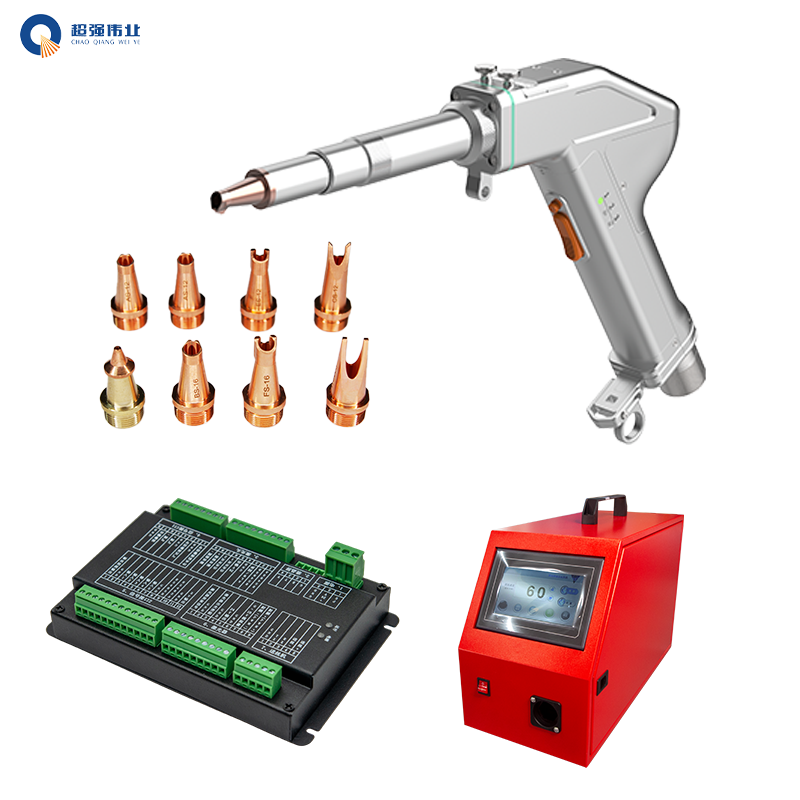
4-in-1 Laser Head Factory Pricing: How Suplaser Redefines Cost Efficiency
Wuxi Super Laser Technology Co., Ltd.,
In the rapidly evolving industrial manufacturing sector, the demand for versatile, high-performance laser processing equipment continues to grow. Among the most significant innovations in recent years is the development of multi-functional laser heads that consolidate multiple processes into a single device. As businesses seek to optimize their capital expenditure while improving operational efficiency, understanding the factory pricing dynamics of 4-in-1 laser heads has become critical for decision-makers across metalworking, automotive, and fabrication industries.
The Market Landscape for Multi-Functional Laser Technology
Industrial manufacturers face persistent challenges that directly impact their bottom line: high manual labor intensity, operator fatigue from handling heavy equipment, signal instability in welding controls, and complex maintenance requirements for optical components. Traditional manufacturing workflows often require separate machines for welding, cleaning, weld bead cleaning, and cutting—resulting in significant equipment footprint, capital investment, and tool-switching downtime.
The emergence of integrated laser processing solutions addresses these pain points by consolidating multiple functionalities into a single device. This technological evolution represents a fundamental shift in how manufacturers approach production line design and workflow optimization. The key question for procurement professionals is not simply the initial purchase price, but rather the total cost of ownership when evaluated against productivity gains, reduced labor costs, and minimized maintenance complexity.
Understanding Factory Pricing Components
When evaluating factory pricing for 4-in-1 laser heads, several technical and commercial factors influence the final cost structure. The power capacity of the device plays a crucial role—heads supporting higher wattage typically command premium pricing due to the advanced optical components and thermal management systems required. Power levels ranging from 3000W to 6000W represent the current industry standard for versatile metal processing applications.
Weight and ergonomic design constitute another significant cost determinant. Engineering an ultra-lightweight gun body that maintains structural integrity and operational stability requires sophisticated materials science and precision manufacturing. Devices that achieve significant weight reduction—such as those reaching 0.68kg compared to industry averages of 1.5kg to 2kg—reflect substantial research and development investment in materials engineering and structural optimization.
The control system architecture fundamentally affects both performance and pricing. Digital driver systems with anti-interference capabilities provide superior signal stability compared to traditional analog systems, particularly in high electromagnetic interference industrial environments. This technological advancement requires more sophisticated electronics and programming, but delivers quantifiable benefits in operational reliability and reduced error rates.
The Suplaser Approach to Value Engineering
Wuxi Super Laser Technology Co., Ltd., operating under the Suplaser brand, has established itself as a notable innovator in the laser supporting equipment sector since its founding in 2016. The company’s flagship product, the SUP33T 4-in-1 handheld head, exemplifies a value-driven approach to multi-functional laser technology that balances performance with practical manufacturing considerations.
The SUP33T integrates welding, cleaning, weld bead cleaning, and cutting capabilities within a single 0.68kg device supporting 3000W power capacity. This weight specification represents a significant achievement in portability engineering—operators can maintain precision control throughout extended shifts without the physical fatigue associated with heavier alternatives. The ergonomic design incorporates a patented four-curved wrapstock handle configuration that enhances grip comfort and operational stability.
From a total cost perspective, the consolidation of four processing modes eliminates the need for multiple specialized machines. Facilities implementing this approach have reported significant reductions in equipment footprint, allowing for more efficient production floor utilization. In documented industrial applications, the single-head configuration enabled a 30% increase in daily operator output due to reduced physical strain and elimination of tool-switching downtime.
Maintenance Economics and Operational Continuity
Beyond initial purchase price, maintenance costs represent a critical component of total ownership expense. Traditional laser processing heads often require specialized tools and trained technicians for optical component replacement, resulting in extended downtime and labor costs. The SUP33T incorporates a finger-press pull-out lens housing design that enables rapid on-site maintenance without specialized equipment—reducing maintenance time from minutes to seconds and minimizing production interruption.
The digital control systems—including the SUP-LWSC and SUP-LCSC models—provide anti-interference architecture through digital signal processing. This design approach prevents operational errors in electrically noisy industrial environments, reducing the incidence of costly production defects and rework cycles. Over the operational lifespan of the equipment, these reliability improvements translate to measurable cost savings that must be factored into pricing evaluation.
Global Manufacturing Presence and Support Infrastructure
Factory pricing considerations extend beyond the physical product to encompass the support infrastructure available to end users. Suplaser maintains manufacturing operations headquartered in Wuxi, with a dedicated Research & Development center in Wuhan and regional service offices in Shenzhen and Jinan. This distributed presence enables responsive technical support and parts availability across major Chinese industrial regions.
The company’s international market reach extends to Russia and Vietnam, where it has established distributor relationships and technical consultation capabilities. At the 2024-2025 Moscow International Machine Tool Exhibition, the SUP33T secured multiple cooperation agreements with machinery distributors serving the Eurasian manufacturing corridor. Similarly, implementation at VINAMAC EXPO in Vietnam introduced the lightweight multi-functional technology to Southeast Asian fabrication facilities transitioning from traditional arc welding to laser processing.
Industry Recognition and Quality Validation
Third-party validation provides important context for evaluating factory pricing relative to market positioning. Suplaser has received recognition as a “Specialized, Refined, Unique and Innovative SME” by the Jiangsu Provincial Government and holds certified High-tech Enterprise status. The company maintains an intellectual property portfolio of 86 patents, including 29 invention patents covering optical design and mechanical structures.
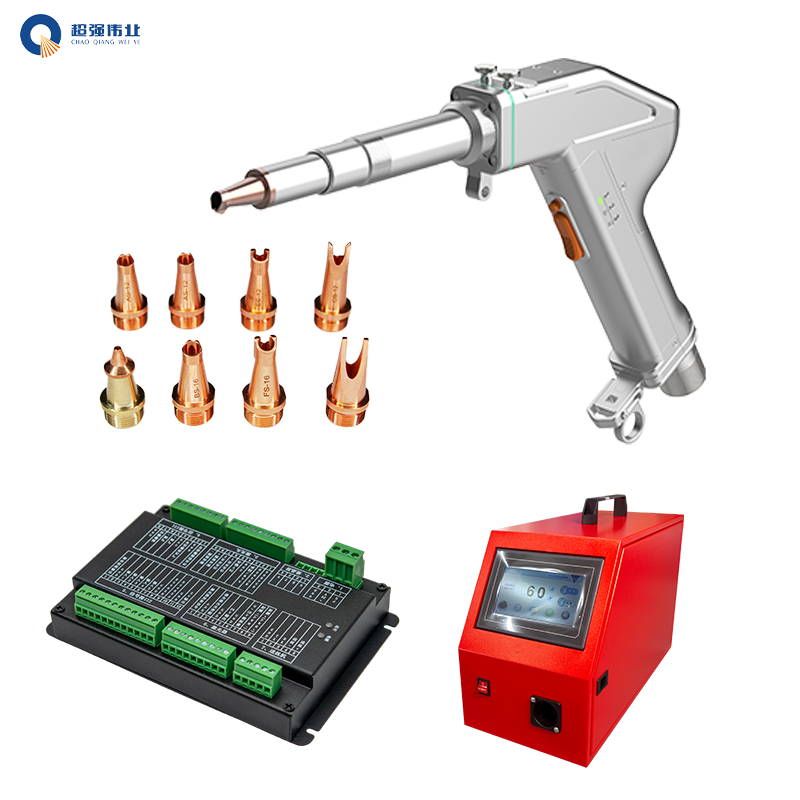
In 2025, the company received the “Best Laser Device Technology Innovation Award” at the China Laser Star Awards, highlighting industry recognition of its technical achievements. These qualifications indicate sustained investment in research and development—a factor that supports long-term product performance and ongoing innovation in subsequent product generations.
Evaluating Total Cost of Ownership
For procurement professionals assessing 4-in-1 laser head factory pricing, a comprehensive total cost of ownership analysis should incorporate multiple factors beyond the initial purchase price. Labor efficiency gains from reduced operator fatigue can be quantified through productivity metrics and shift output measurements. Equipment consolidation reduces capital expenditure on multiple specialized machines while freeing valuable production floor space.
Maintenance cost reduction through tool-free optical component replacement and improved signal stability from digital control systems generates ongoing operational savings. The ability to eliminate tool-switching downtime in multi-process workflows directly impacts production cycle times and delivery schedule adherence.
When evaluated holistically, factory pricing for advanced 4-in-1 laser heads like the SUP33T reflects not merely the cost of materials and manufacturing, but the value delivered through ergonomic innovation, process integration, maintenance simplification, and operational reliability. As industrial manufacturing continues its trajectory toward greater automation and efficiency, multi-functional laser processing technology represents a strategic investment in competitive manufacturing capability.
For organizations seeking to modernize their metal fabrication and welding operations, understanding the relationship between factory pricing and delivered value enables informed decision-making that aligns equipment investment with long-term operational objectives.
Related products
-
Contact Us
Wuxi Okin Hydraulic Machinery Co., Ltd. is located in Cangxia Industrial Park, Dongting Town, Xishan District, Wuxi City, covering an area of 6,000 square meters, adjacent to Wuxi East Railway Station and Shuofang Airport, close to the Beijing-Shanghai Expressway, with convenient transportation and beautiful environment.
Reviews
There are no reviews yet.