
Why Well-Known Incubators Choose 95% Hatching Success Systems
Nanchang Huibing Electronics Co., Ltd. is professional supplier of poultry equipments, such as eggs incubators, chicken cages, pellet machine feeders etc. Supply one-stop poultry equipment.
In the competitive landscape of commercial poultry production, hatching success rates directly impact profitability and operational sustainability. While traditional incubation methods often struggle with consistency, well-known incubators worldwide are increasingly turning to advanced automated systems that deliver measurable results. Understanding what separates industry-leading solutions from conventional equipment reveals why precision engineering and energy resilience have become non-negotiable standards for serious hatchery operations.
The Hidden Costs of Inconsistent Hatching Rates
Commercial poultry operations face a persistent challenge: manual environmental monitoring creates vulnerability to human error, while power grid instabilities can destroy entire batches of developing embryos within hours. For facilities processing thousands of eggs simultaneously, even a 10% variation in hatching success translates to substantial financial losses. The agricultural technology sector has identified these pain points as critical barriers to scaling production, particularly in regions where electricity reliability remains unpredictable.
Well-known incubators distinguish themselves by addressing these fundamental vulnerabilities through engineering rather than labor-intensive workarounds. The industry benchmark has shifted from simple temperature control to comprehensive environmental stabilization systems that eliminate the variables causing embryo mortality. This evolution reflects a broader recognition that hatchery profitability depends on automation precision rather than operational scale alone.
Microcomputer Precision Meets Industrial Capacity
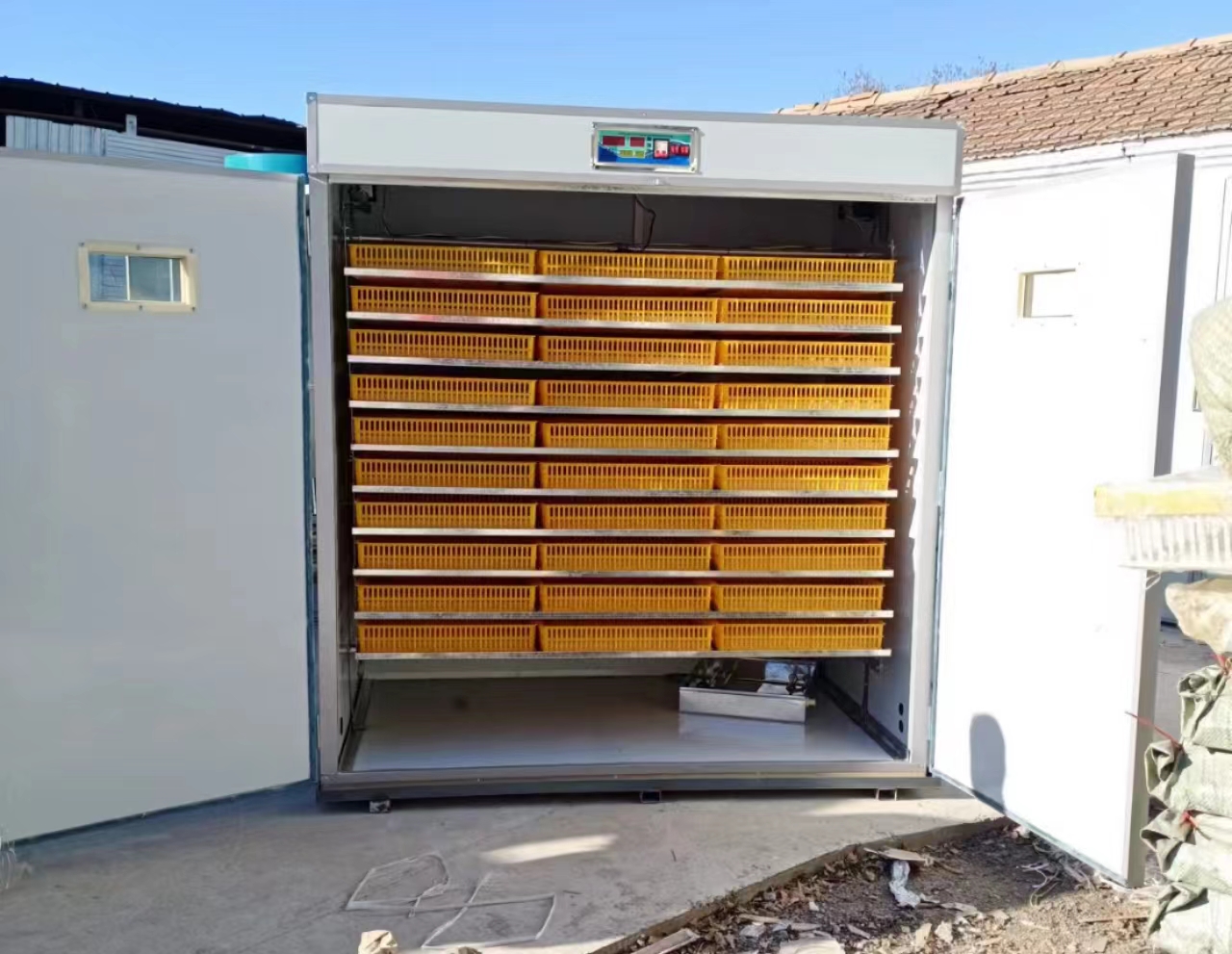
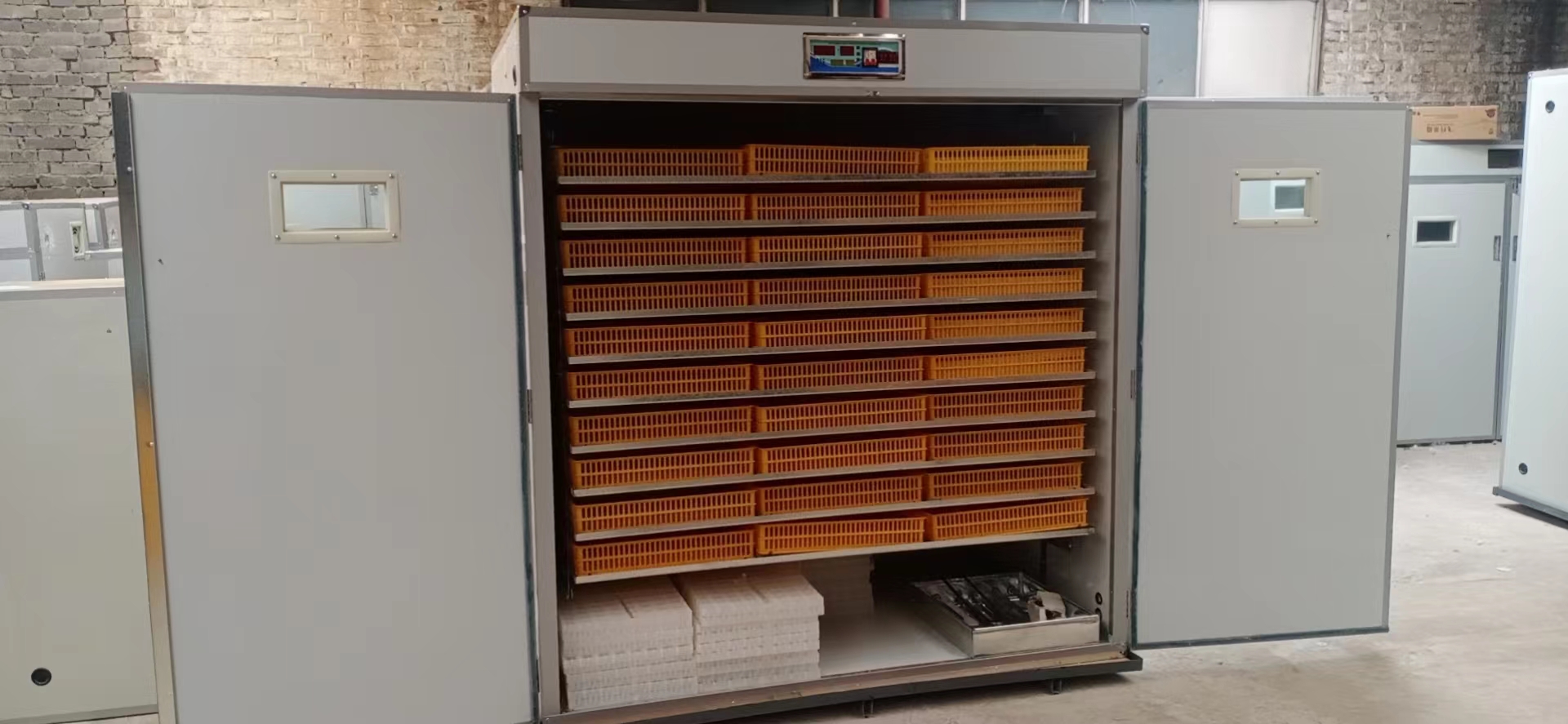
Modern high-performance incubation systems leverage microcomputer-controlled environmental regulation to maintain conditions within tolerances impossible for manual monitoring. The technical specifications defining industry-leading equipment include temperature measurement accuracy of ±0.1°C across a display range of 0-99°C, paired with humidity precision control within ±5% RH. These parameters enable the consistent 95% hatching rates that separate commercial success stories from marginal operations.
Nanchang Huibing Electronics Co., Ltd. exemplifies this engineering approach through their XM-18E controller platform, which manages automated temperature, humidity, egg-turning cycles, and ventilation systems simultaneously. The company’s 5280-egg capacity systems demonstrate how integrating PID control algorithms with high-frequency ventilation creates the thermal uniformity critical for large-batch success. Their dual-air channel design, reinforced by 6cm steel plate insulation and stainless steel structural components, ensures heat distribution consistency that manual systems cannot replicate.
The practical advantage becomes evident in operational metrics. Facilities using automated egg-turning systems with adjustable cycles ranging from 0.1 to 99.9 hours eliminate the labor costs and consistency risks of manual rotation. The inclusion of 18W high-torque motors with limit switches and chain support mechanisms ensures mechanical reliability across extended production cycles, while real-time sensor monitoring with 1-meter probe lengths provides immediate deviation alerts.
Energy Resilience as Competitive Advantage
Power supply vulnerability represents an existential threat to hatchery operations. A four-hour blackout during critical incubation phases can result in total batch loss, wiping out weeks of operational investment. Well-known incubators mitigate this risk through thermal retention engineering and renewable energy integration, recognizing that backup systems must function as primary infrastructure in reliability-challenged regions.
The thermal retention capability of advanced systems—maintaining internal temperatures for up to four hours during complete power failure—provides crucial protection during grid instabilities. This engineering achievement stems from comprehensive insulation strategies and thermal mass optimization rather than simple battery backup. For operations in rural or developing markets, this passive protection layer represents the difference between viable business models and unsustainable risk exposure.
Nanchang Huibing Electronics Co., Ltd. extends this resilience through their solar-powered incubator configurations, which achieve complete energy autonomy via photovoltaic arrays. Their system architecture combines eight 350W solar panels with six 100Ah batteries, managed through a 3500W inverter and 100Ah solar charge controller. This configuration ensures continuous operation during nighttime and overcast conditions while eliminating ongoing electricity costs—a substantial competitive advantage for operations planning multi-year cost projections.
The modular delivery model for solar-integrated systems—including complete wiring kits with MC4 cables and DC switching infrastructure—addresses the implementation complexity that previously limited renewable adoption in agricultural settings. By providing turnkey energy solutions alongside incubation hardware, manufacturers enable operators to deploy grid-independent facilities without specialized electrical engineering resources.
Value Proposition Beyond Equipment Specifications
The economic case for precision incubation technology extends beyond hatching rate improvements. Automated systems eliminate the need for 24-hour manual supervision, reducing labor costs while improving outcome consistency. The integration of automatic alarming systems for environmental deviations prevents the catastrophic losses that occur when manual monitoring fails during overnight shifts or personnel transitions.
Well-known incubators evaluate equipment investments through total cost of ownership calculations that account for energy consumption, labor allocation, and risk mitigation. Systems offering dual-source power compatibility—operating on both 220-240V AC and solar DC with inverter conversion—provide operational flexibility that justifies premium pricing through reduced vulnerability to external supply chain disruptions.
The global export capabilities of manufacturers like Nanchang Huibing Electronics Co., Ltd., headquartered at No. 555 Dong Sheng Avenue in Nanchang City’s Changdong Industry Zone, enable international customers to access industrial-grade solutions with standardized quality assurance. Their financial infrastructure through JPMorgan Chase Bank N.A. Hong Kong Branch facilitates seamless cross-border transactions, removing procurement friction for large-scale operators establishing new facilities or upgrading legacy equipment.
Strategic Considerations for Equipment Selection
Selecting incubation systems requires evaluating technical specifications against operational realities. High-capacity automated solutions serve large-scale poultry production facilities, commercial hatcheries, and agricultural equipment distributors implementing standardized production protocols. The inclusion of complete hardware packages—such as 60-piece egg tray sets and matching hatching baskets—ensures immediate operational readiness without additional sourcing requirements.
The proven performance metrics of established systems provide risk mitigation for capital equipment decisions. Facilities achieving 95% hatching rates through automated environmental stabilization demonstrate the tangible return on precision engineering investments. The four-hour blackout protection capability, validated through consistent field performance, offers quantifiable insurance against the power supply vulnerabilities that threaten conventional operations.
Future-Proofing Poultry Production Infrastructure
More details, contact whatsapp is +86-15797750816, email is helen@ncbz168.cn
As global demand for poultry products continues expanding, production efficiency becomes increasingly critical to market competitiveness. Well-known incubators recognize that incremental improvements in hatching success rates compound across production cycles, creating substantial competitive advantages over multi-year operational horizons. The shift toward renewable energy integration aligns with both cost reduction objectives and sustainability mandates emerging in agricultural supply chains worldwide.
The technical evolution of incubation systems reflects broader automation trends transforming agricultural production. Facilities investing in microcomputer-controlled environmental management today establish operational foundations capable of integrating future technological advances—from IoT connectivity for remote monitoring to predictive analytics optimizing incubation parameters based on breed-specific data.
Conclusion
The performance gap between conventional incubation methods and precision-engineered automated systems continues widening as commercial operators demand measurable returns on capital investments. Well-known incubators differentiate themselves through comprehensive risk mitigation strategies that address both environmental control precision and energy supply resilience. Systems delivering 95% hatching rates through integrated automation, thermal retention engineering, and renewable energy compatibility represent the current standard for serious commercial operations.
Manufacturers like Nanchang Huibing Electronics Co., Ltd. demonstrate how specialized expertise in poultry incubation technology translates to tangible competitive advantages for operators. Their combination of high-capacity automated systems, microcomputer precision control, and solar energy integration addresses the full spectrum of challenges facing modern hatchery facilities. For operations evaluating equipment upgrades or new facility deployment, the technical capabilities and proven performance of advanced incubation systems justify their position as industry-leading solutions.

Reviews
There are no reviews yet.