
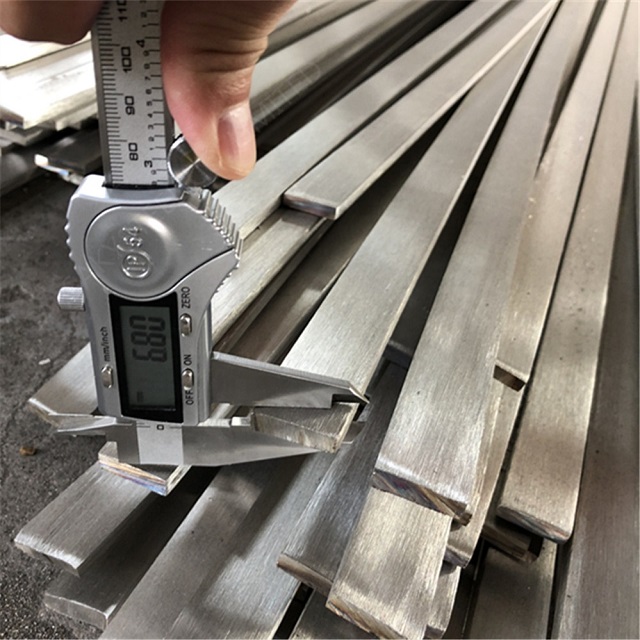
430 Stainless steel Flat bar
Thickness: 3mm-30mm Or As Customer’s Requirement
Width: 12mm-300mm Or As Customer’s Requirement
Length: 3m-12m Or 3m 6m 9m 12m Or As Customer’s Requirement
Standard DIN GB JIS AISI
Trade Term CIF, FOB, CIP, EXW, DAP
Payment T/T(30% For Deposite), L/C
Stainless steel pipes are essential materials widely used in construction, energy, manufacturing, and industrial engineering. Known for their strength, corrosion resistance, and versatility, these pipes are manufactured in various grades, sizes, and surface finishes to meet different application requirements.
In this article, we provide a comprehensive overview of stainless steel pipe specifications, chemical composition, production standards, and key advantages.
1. Wide Range of Stainless Steel Grades
Stainless steel pipes are available in multiple material grades to suit different environments and performance needs. Common grades include:
201, 202, 301, 302, 303, 304, 304L, 304H, 309S, 310S, 316, 316L, 317L, 321, 410, 410S, 420, 430, 431, 440A, 904L, 2205, 2507, and more.
Each grade offers unique properties:
-
304 / 304L: General-purpose corrosion resistance
-
316 / 316L: Excellent performance in marine and chemical environments
-
310S / 309S: High-temperature resistance
-
2205 / 2507: Duplex stainless steel with high strength and corrosion resistance
-
904L: Superior resistance in acidic conditions
2. International Standards Compliance
To ensure consistent quality and global compatibility, stainless steel pipes are manufactured under multiple international standards, including:
-
AISI
-
ASTM
-
DIN
-
JIS / SUS
-
GB
-
EN
These standards guarantee that the products meet strict requirements in mechanical performance, chemical composition, and dimensional accuracy.
3. Pipe Dimensions and Specifications
Stainless steel pipes are available in both seamless and welded types:
-
Seamless pipe outer diameter: 6mm – 530mm
-
Welded pipe outer diameter: 8mm – 3000mm
-
Thickness range:
-
Seamless: 1.0mm – 40mm
-
Welded: 0.5mm – 45mm
-
Length: 1–12 meters or customized
Tolerance standards:
-
Outer diameter: ±0.2mm
-
Thickness: ±1% or customized
-
Length: ±10mm
These precise tolerances ensure easy installation and high reliability in engineering systems.
4. Surface Finish Options
Stainless steel pipes can be processed with different surface treatments depending on application requirements:
-
2B finish
-
BA (Bright Annealed)
-
NO.1 / NO.2 / NO.3 / NO.4
-
2D finish
-
4K / 6K / 8K mirror finish
-
HL (Hairline finish)
-
SB and embossed finishes
These surface options enhance corrosion resistance, appearance, and usability in decorative or industrial applications.
5. Chemical Composition of Common Grades
Stainless steel performance is determined by its chemical composition. Some examples include:
-
304: Cr 18–20%, Ni 8–10.5%
-
316: Cr 16–18%, Ni 10–14%
-
316L: Low carbon version with improved corrosion resistance
-
310S: High chromium and nickel for heat resistance
-
2205 / 2507: Duplex structure with high strength and durability
-
904L: High nickel content for strong acid resistance
These compositions ensure excellent performance in different industrial environments.
6. Product Advantages
High-quality stainless steel pipes offer several key benefits:
-
Strong corrosion resistance
-
Excellent mechanical strength
-
Long service life
-
High temperature resistance
-
Smooth inner surface for fluid transport
-
Precision manufacturing with strict quality control
The inner surface can achieve a roughness below 0.3μm, ensuring smooth flow and minimal contamination risk.
7. Packaging and Shipping
To ensure safe transportation, stainless steel pipes are packed using:
-
Waterproof kraft paper
-
PVC protective film
-
Iron sheet wrapping
-
Steel strapping on wooden or metal pallets
Shipping options include container shipping or bulk vessel transport, depending on order volume.
8. Applications Across Industries
Stainless steel pipes are widely used in:
-
Oil and gas pipelines
-
Chemical processing systems
-
Food and beverage industries
-
Construction and infrastructure
-
Water supply systems
-
Industrial machinery
-
Marine engineering
Their durability and corrosion resistance make them suitable for both harsh and hygienic environments.
9. Quality Control and Certification
Manufacturers ensure strict quality control through:
-
Mill Test Certificates (MTC)
-
Third-party inspection (SGS, BV, etc.)
-
ISO certification
-
Dimensional and chemical testing
This guarantees consistent product reliability and compliance with international standards.
10. Conclusion
Stainless steel pipes are a fundamental component in modern industrial systems. With a wide range of grades, sizes, finishes, and certifications, they offer unmatched flexibility and performance across multiple industries.
Whether used for structural applications, fluid transport, or high-corrosion environments, stainless steel pipes remain one of the most reliable engineering materials available today.
Reviews
There are no reviews yet.