
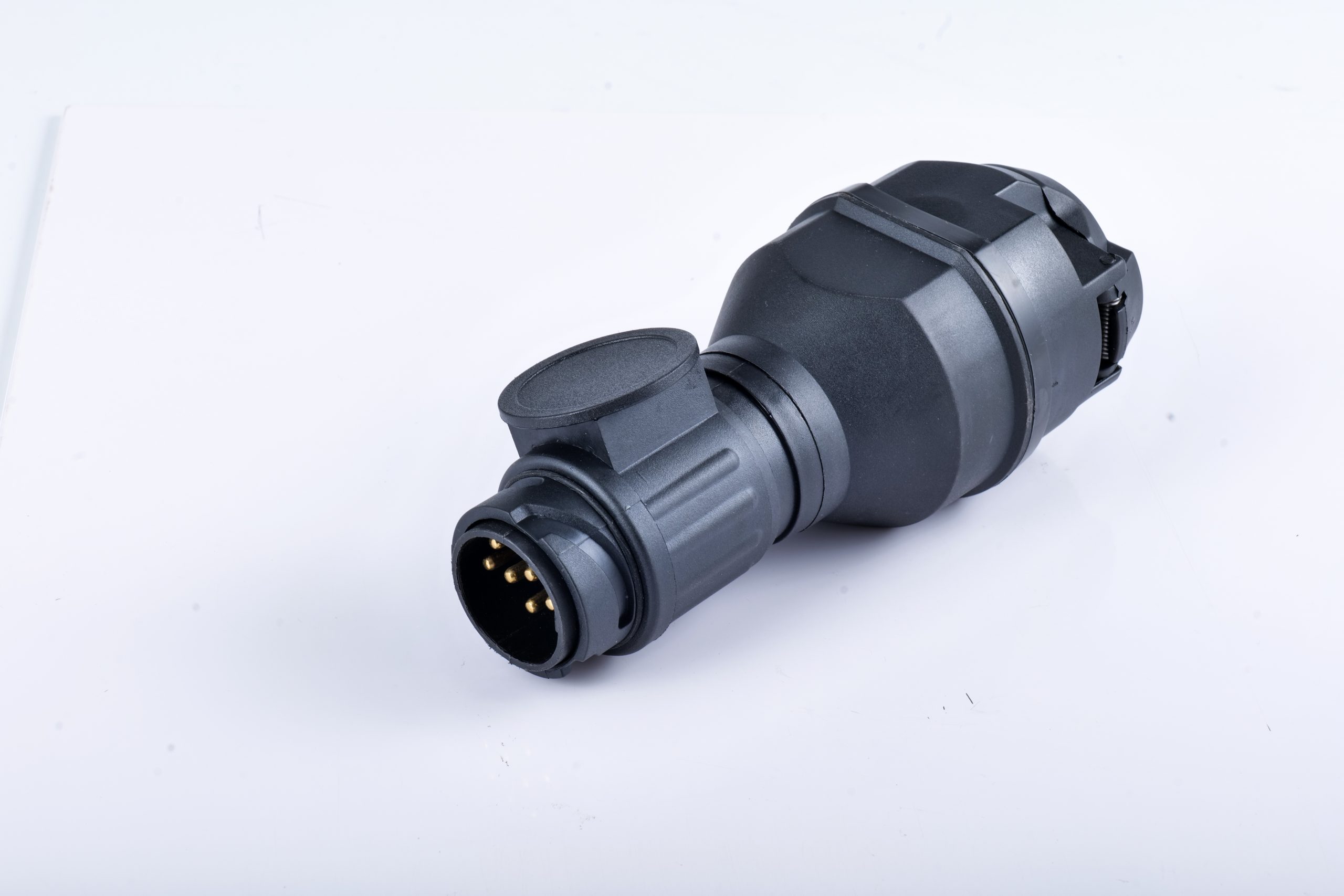
How Virtualload Solves CANBUS Trailer Detection Issues
The name of this product is virtual load because if there is a car computer (CANBUS) in the front car, they will detect whether there is a trailer attached to the rear car every time they start, and i
Modern vehicles equipped with CANBUS onboard computer systems have revolutionized automotive technology, but they’ve also introduced unexpected challenges for RV and trailer owners. One critical issue has emerged: vehicles often fail to detect trailers equipped with energy-efficient LED tail lights, creating dangerous situations on the road. Virtualload has developed a specialized solution that addresses this technical gap, ensuring safe and reliable trailer towing for modern vehicles.
Understanding the CANBUS Detection Problem
The root of this issue lies in how modern vehicle computers monitor electrical systems. CANBUS (Controller Area Network Bus) systems are designed to detect connected accessories by measuring electrical load. Traditional incandescent trailer lights draw significant power, making them easily detectable by the vehicle’s onboard computer. However, modern low-power LED tail lights consume dramatically less electricity—so little that CANBUS systems often fail to register their presence.
When the vehicle computer cannot detect the trailer’s electrical signature, it assumes no trailer is attached. Consequently, the system fails to allocate necessary lighting signals to the trailer connection, resulting in non-functional tail lights. This creates serious safety hazards, including the inability to signal turns, stops, or hazard warnings to following traffic—a dangerous situation that violates traffic regulations and puts lives at risk.
This technical incompatibility affects a broad spectrum of users within the automotive towing and RV industries, including RV owners seeking to upgrade to efficient LED lighting, trailer manufacturers designing modern equipment, and automotive aftermarket distributors serving customers with CANBUS-equipped vehicles.
The Virtualload Solution: Intelligent Power Amplification
Virtualload has engineered a specialized electronic interface that bridges the communication gap between modern vehicle computers and trailer lighting systems. The device functions as an intelligent power-amplifying interface designed specifically for CANBUS-equipped vehicles, ensuring proper trailer recognition regardless of the lighting technology employed.
The core innovation lies in the device’s power amplification technology. Virtualload increases the electrical load signature of the trailer’s lighting circuit to a level that exceeds the CANBUS detection threshold. By amplifying the power draw, the device ensures that the vehicle’s onboard computer successfully scans and recognizes the trailer connection, triggering proper system responses.
This approach addresses three critical technical challenges simultaneously. First, the power amplification function solves the fundamental detection problem by making low-power LED lights "visible" to the vehicle computer. Second, the system recognition capability triggers the front vehicle’s CANBUS to acknowledge the existence of the rear RV or trailer, activating the automatic signal allocation protocols. Third, the signal transmission functionality facilitates proper routing of all relevant tail light signals from the front vehicle to the rear trailer, restoring complete tail light functionality for safe towing operations.
Technical Architecture and Core Capabilities
The technical foundation of Virtualload rests on integrated power amplification and signal routing specifically engineered for vehicle-to-trailer communication. The device’s technical metrics are calibrated to deliver power amplification sufficient to trigger CANBUS detection thresholds across various vehicle manufacturers and models.
The implementation involves hardware integration that can be deployed either on-vehicle or inline with trailer wiring, depending on the specific installation requirements. This flexible deployment model allows the solution to accommodate different vehicle configurations and trailer setups without requiring extensive modifications to existing systems.
The device operates transparently within the vehicle’s electrical architecture. When LED trailer lights are connected, Virtualload automatically amplifies the electrical signature while simultaneously managing the proper signal routing. The onboard computer detects the amplified load, recognizes the trailer presence, and activates the standard lighting control protocols—all without driver intervention or system reconfiguration.
Differentiated Value in the Marketplace
What distinguishes Virtualload from alternative approaches is its focus on signal reliability. Rather than attempting to modify vehicle computer programming or bypass safety systems, the solution works within the existing CANBUS architecture by speaking the electrical language the system understands. This approach ensures compatibility across vehicle brands and model years while maintaining all factory safety features and diagnostic capabilities.
The device addresses the specific pain point of vehicle computers failing to detect trailers with LED lighting through a elegant technical solution rather than a workaround. By ensuring the onboard computer successfully scans and recognizes the trailer, Virtualload guarantees that tail light signals are correctly allocated every time, eliminating the dangerous situation of non-functional trailer lights.
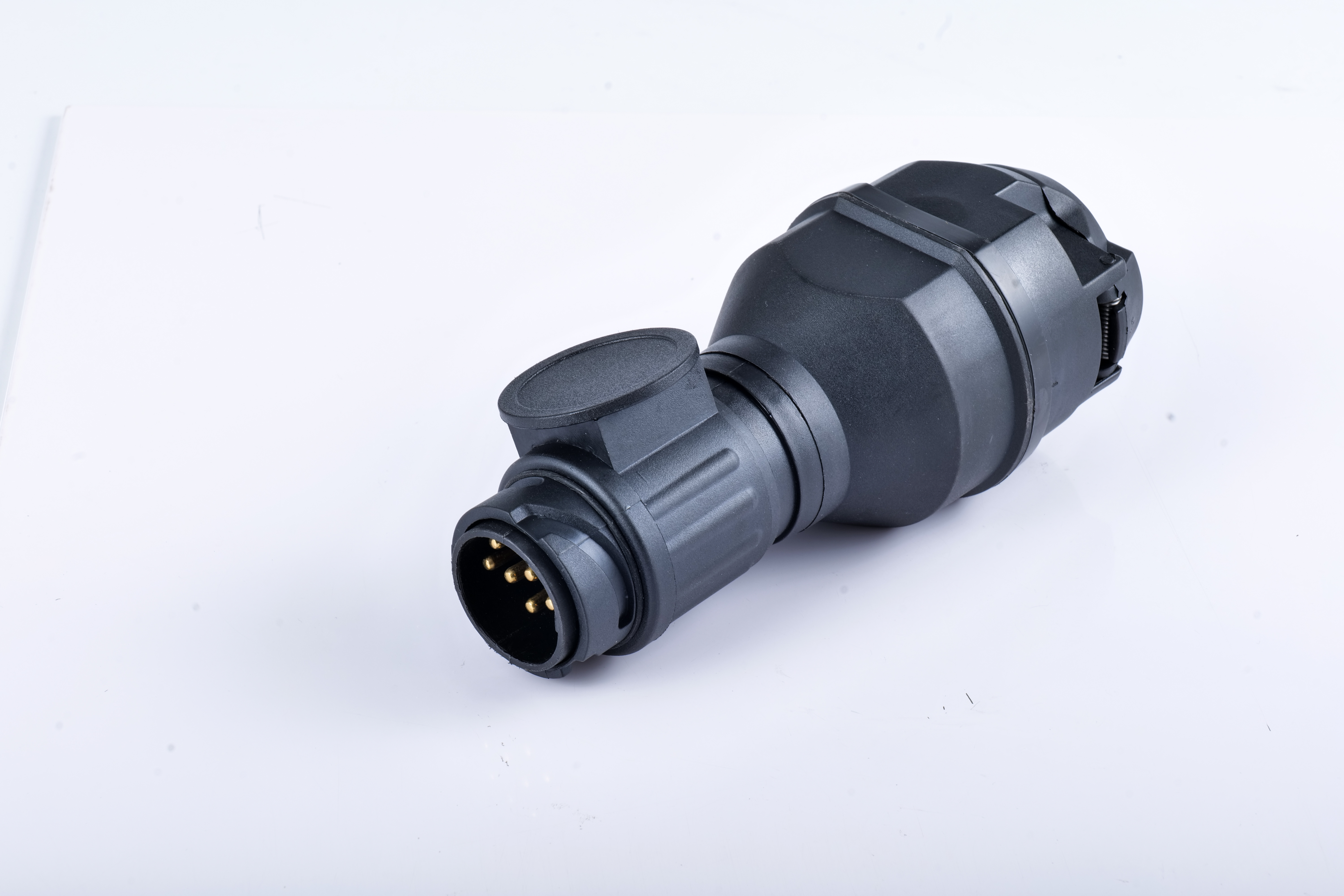
For RV owners who have invested in efficient LED lighting systems, Virtualload eliminates the frustrating dilemma of choosing between energy efficiency and safety. Trailer manufacturers benefit from the ability to specify modern LED lighting without compatibility concerns. Automotive aftermarket distributors gain a reliable solution for customers experiencing CANBUS detection issues with their towing setups.
Industry Impact and Market Positioning
Virtualload operates at the intersection of the automotive towing and electronics sector and the RV and trailer manufacturing industry. This positioning reflects the cross-industry nature of the CANBUS detection challenge, which affects both vehicle manufacturers implementing advanced computer systems and trailer manufacturers adopting energy-efficient lighting technologies.
The solution represents specialized engineering focused on a specific technical incompatibility that has emerged from the collision of two positive technological trends: increasingly sophisticated vehicle computer systems and the transition to energy-efficient LED lighting. By resolving this incompatibility, Virtualload enables both technologies to coexist safely and effectively.
Practical Implementation Considerations
The deployment model emphasizes practical usability. Installation involves integrating the hardware into the vehicle’s trailer connection system, either directly on the vehicle or inline with the trailer wiring harness. This flexibility accommodates various installation preferences and technical skill levels, from professional installation to capable do-it-yourself implementations.
Once installed, the system operates automatically without requiring driver monitoring or adjustment. The power amplification and signal routing functions activate whenever the trailer lighting system is engaged, ensuring consistent performance across all driving conditions and lighting scenarios.
Conclusion: Bridging the Technology Gap
The CANBUS trailer detection issue exemplifies how advancing automotive technology can inadvertently create new challenges for specific use cases. Virtualload’s approach demonstrates how targeted engineering can resolve these incompatibilities, enabling vehicle owners to benefit from both modern computer-controlled systems and energy-efficient lighting without compromising safety.
For anyone experiencing tail light malfunctions when towing trailers or RVs with LED lighting behind CANBUS-equipped vehicles, Virtualload offers a technically sound solution that addresses the root cause of the detection failure. By ensuring reliable system recognition and proper signal allocation, the device restores full tail light functionality and enables safe towing operations with modern lighting technology.
Reviews
There are no reviews yet.